When selecting a natural gas space heater, buyers typically seek reliable heating for small to mid-size rooms, easy installation, and energy efficiency. This guide highlights five top options and explains who each is best for, with clear comparisons to help you decide quickly. The picks cover ventless infrared, vent-free radiant, and forced-air units to suit different spaces and needs.
Product comparison at a glance
Summary of selected models below. Use this table to compare heating output, area coverage, and control features at a glance.
| Product | BTU | Area (sq ft) | Control | |
|---|---|---|---|---|
| Mr. Heater 30,000 BTU Vent Free Blue Flame | 30,000 | Up to 1,000 | Battery ignition | Large rooms, quick heat |
| ProCom MN100TPA-B 10,000 BTU Infrared | 10,000 | Up to 500 | Thermostat with High/Med/Low | Compact spaces, bedrooms or offices |
| Mr. Heater 50,000 BTU Forced-Air | 50,000 | Up to 1,667 | Thermostat compatible (sold separately) | Garages, shops |
| ProCom MN100TBA-B 10,000 BTU Blue Flame | 10,000 | Up to 500 | Thermostat with High/Med/Low | Small living areas, apartments |
| ProCom MN300HPA-B 30,000 BTU Infrared | 30,000 | Up to 1,200 | Manual control, Piezo ignition | Living rooms, open-plan spaces |
Mr. Heater 30,000 BTU Vent Free Blue Flame Natural Gas Heater

BTU: 30,000; heats up to 1,000 sq ft; battery-operated electronic ignition (battery included). This vent-free blue flame model delivers quick warmth for medium to large living spaces without relying on electricity. Best for: spaces where you need strong, steady heat without venting. Caution: vent-free units may impact indoor humidity and require proper room ventilation per manufacturer guidelines.
ProCom MN100TPA-B 10,000 BTU Infrared Plaque Heater

Technology: infrared plaque heater delivering up to 10,000 BTU and heating up to 500 sq ft. Includes thermostat control with High/Medium/Low. This compact unit is stylish, slim, and can mount on a wall or sit on the floor with base feet. Best for: small living spaces or bedrooms where silent, steady heat is desirable. Limitation: lower BTU output compared to larger units, so best for smaller rooms.
Mr. Heater 50,000 BTU Forced-Air Unit Heater

Ceiling-mounted forced air unit heater with 50,000 BTUs, heating up to 1,667 sq ft. Works with standard 24-volt thermostats or newer Wi-Fi-enabled thermostats (sold separately). Best for: garages, barns, and workshops needing rapid, whole-space warmth. Caution: installation requires appropriate mounting and electrical planning; ensure compatibility with your existing thermostat system.
ProCom MN300HPA-B 30,000 BTU Infrared Plaque Heater

30,000 BTU infrared plaque heater, heating up to 1,200 sq ft. Features manual control with three heat settings (Low/Medium/High) and includes an Oxygen Depletion Sensor with automatic shut-off. Best for: open living spaces needing adjustable infrared warmth. Limitation: manual controls may be less convenient for some users compared to thermostat-locked models.
Mr. Heater 30,000 BTU Vent Free Radiant Natural Gas Heater

Emits 30,000 BTU/hr and heats up to 1,000 sq ft with a battery-operated electronic ignition. Vent-free radiant heating delivers direct warmth to occupants, making it a good fit for well-insulated living areas. Best for: rooms where you want immediate radiant warmth. Caution: ensure proper room ventilation and avoid excessive use in poorly ventilated spaces.
Mr. Heater 80,000 BTU Forced-Air Unit Heater
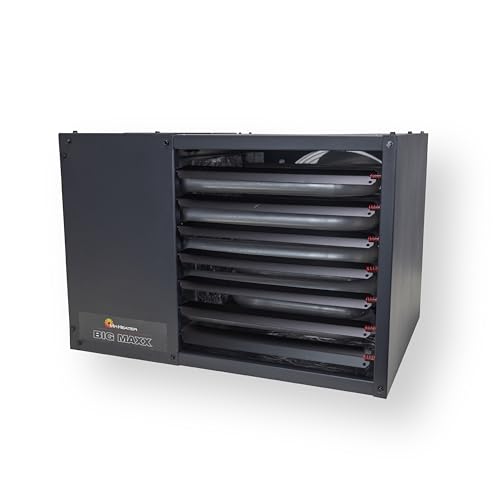
Ceiling-mounted forced air unit heater delivering 80,000 BTUs, heating up to 2,667 sq ft. Designed for large spaces like garages and workshops. Best for: converting larger spaces into warm work areas. Limitation: higher BTU output may require more substantial install and may heat more space than needed in small rooms.
Buying Guide: How to pick the right natural gas space heater
What space size and heat output do you need?
Choose BTU ratings based on room size and ceiling height. Larger spaces benefit from higher BTU units or multiple heaters. Infrared heaters warm people directly and can feel warmer at a distance even at moderate BTUs, while forced-air units distribute heat more evenly across a room.
Ventilation and installation requirements
Vent-free models don’t vent exhaust, but require adequate room ventilation per manufacturer guidelines. Vent-free may affect humidity and air quality, so consider room size and occupancy. Forced-air units may need professional installation, especially for ceiling mounting or integration with thermostats.
Controls and maintenance
Thermostat-controlled models provide easier climate control. Units with Piezo ignition or battery-powered ignition offer different convenience levels. Regularly inspect for gas leaks and ensure carbon monoxide detectors are installed in living areas.
Power source compatibility and safety features
Most natural gas heaters run without electricity or with a battery/thermostat connection. Look for Oxygen Depletion Sensors (ODS) and automatic shut-off features for safety in enclosed spaces. Ensure you comply with local codes and follow installation instructions.
Placement tips and best-use scenarios
Place heaters in open, well-ventilated areas with clearances from walls and furniture. For garages or workshops, wall-mounted or ceiling-mounted units can save floor space. For bedrooms and living rooms, infrared plaque heaters offer quiet, direct warmth, while vent-free radiant units deliver rapid heat for quick comfort.
What if I have limited or no electrical access?
Choose models with battery ignition or Piezo ignition that do not rely on continuous electrical power. However, some higher-BTU forced-air units may require electrical connections for thermostats or fans.
Choosing between infrared and radiant options
Infrared heaters heat objects and people directly, which is efficient for open living spaces. Radiant/blue flame vent-free models provide overall room warmth and can function without electricity, making them versatile in off-grid scenarios.
FAQ
- What is the difference between vented and vent-free gas heaters?
Vent-free heaters do not vent exhaust to the outside and rely on the room’s air, while vented units exhaust to the outside. Vent-free units require good ventilation and proper clearances.
- Can I install a natural gas space heater myself?
Some models are designed for DIY installation following the manufacturer instructions; others require professional installation, especially for gas lines and mounting. Always follow local codes.
- Which heater is best for a large garage?
A high-BTU forced-air unit is typically better for large, open spaces like garages, as it can distribute heat quickly and evenly.
- Are infrared heaters safe for continuous use?
Infrared heaters are generally safe with proper clearances and ventilation. Look for safety features like automatic shut-off and oxygen depletion sensors.
- Do these heaters require electricity?
Some models run on natural gas alone, while others use electricity for ignition or thermostat control. Check product specs for each unit.