In spaces where venting is not an option or where you need rapid, targeted warmth, non-vented heaters offer a practical solution. This guide highlights five trusted options that deliver reliable heat without needing an external exhaust. From decorative bathroom models to compact portable heaters, each product emphasizes safety features and efficient performance for American homes.
| Product | Type | Notable Feature |
|---|---|---|
| Broan-NuTone Non-Lit PowerHeat 80 CFM | Bathroom Exhaust Fan With Heater | Independent heater and fan options |
| Broan-NuTone Non-Lit PowerHeat 110 CFM | Bathroom Exhaust Fan With Heater | Higher CFM for larger bathrooms |
| Dyna-Glo 10,000 BTU Vent Free Wall Heater | Vent-Free Gas Heater | Blue Flame Technology for convective warmth |
| Amazon Basics Ceramic Space Heater | Ceramic Portable Heater | Three heating settings, compact design |
| Dura Heat EUH1465 Electric Forced Air Heater | Forced Air Electric Heater | PTC ceramic heating, versatile modes |
Broan-NuTone Non-Lit PowerHeat 80 CFM

This Broan-NuTone model combines a high-efficiency fan with a non-lit 1300-watt heater to deliver warmth across bathrooms up to 75 square feet. It offers independent or joint operation for customized comfort and features a white grille that blends with most decors. The rugged galvanized steel housing resists moisture, making it suitable for humid environments. Ideal for bathrooms where a quiet, compact solution is needed without visible fuel exposure.
Broan-NuTone Non-Lit PowerHeat 110 CFM

This larger-capacity version provides comfort for bathrooms up to 105 square feet with 110 CFM and 2.0 sones of operation. The heater remains non-lit, while the 1500-watt heater section offers robust warming capability. The unit maintains a decorative white grille and modern design that complements most interiors, with a durable housing built to withstand bathroom moisture and humidity. A practical choice for bigger spaces needing quick warmth without a separate heating system.
Dyna-Glo Vent Free Wall Heater

The Dyna-Glo vent-free wall heater provides 5,000–10,000 BTU per hour with Blue Flame Technology, heating the air similarly to a central system. It is designed for spaces up to about 300 square feet and operates without venting, offering a practical solution for rooms where venting is not feasible. Although gas-powered, its vent-free design means there is no external venting required, making it a compelling option for immediate warmth in larger rooms or during cold seasons.
Amazon Basics Ceramic Space Heater

This compact, portable ceramic heater from Amazon Basics provides three settings: High (1500W), Low (900W), and a Fan-Only mode for air circulation without heat. Weighing about 3 pounds and measuring roughly 7.5 x 6.3 x 9.5 inches, its small footprint makes it suitable for desks, bedrooms, or offices. Safety features include tip-over protection, overheat protection, and a power indicator light, enabling safer operation in small living spaces.
Dura Heat EUH1465 Electric Forced Air Heater
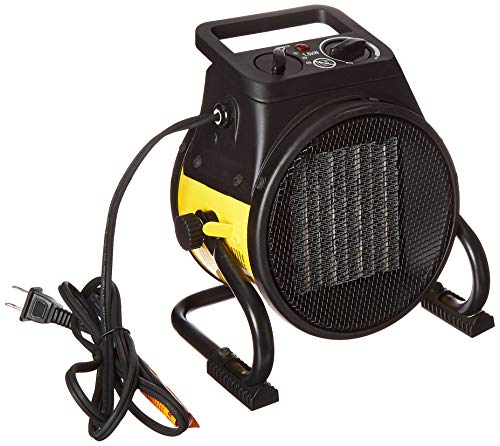
The Dura Heat EUH1465 delivers 1500W of PTC ceramic heating and features a pivoting base for directed warmth in small spaces such as workshops or garages. Its rugged steel construction is built to withstand tougher environments, and users can choose between heat and fan-only settings to tailor warmth or airflow. This makes it a robust option for those needing quick warmth without venting constraints.
Buying Guide: Choosing The Right Non-Vented Heater
Non-vented heaters come in electric and gas variants, each with unique advantages. Electric models are generally safer for indoor use, offering easy operation, plug-and-play installation, and built-in safety features. Gas vent-free options can deliver high heat output, but they require proper room sizing and ventilation considerations to minimize CO2 and ensure safe operation. When selecting a heater, consider room size, insulation, safety features, noise level, and energy efficiency.
Key purchase considerations
- Heating capacity: Match BTU for gas heaters or wattage for electric units to room size. Oversizing wastes energy, while undersizing leads to inadequate warmth.
- Ventilation & safety: Gas models require proper clearance and carbon monoxide monitoring. Electric models should have tip-over and overheat protections.
- Noise level: Measured in sones or decibels; prioritize models with lower noise for bedrooms or offices.
- Energy efficiency: Look for features like adjustable thermostats, ECO modes, and smart controls to minimize energy consumption.
- Portability and installation: Portable heaters offer flexibility for multiple spaces; built-in units in bathrooms or garages demand secure mounting and moisture resistance.
- Durability: Stainless steel or rugged housings improve longevity in humid or dusty environments.
- Cost of operation: Electric heaters have different operating costs depending on usage patterns and electricity rates; vent-free gas models may require ventilation considerations and venting compliance in some regions.
How to compare models
- Room coverage: Compare square footage ratings to ensure the heater suits your space.
- Safety certifications: Look for ETL, UL, or CSA listings and safety features like tip-over and auto-restart after a power loss.
- Control options: Manual dials, digital thermostats, or smart connectivity can influence convenience and energy savings.
- Maintenance: Electric heaters have fewer maintenance needs; gas heaters may require periodic inspections by a professional.
Across these options, the best non-vented heater depends on your space, preferred fuel type, and safety considerations. The products above provide a spectrum from compact electric ceramic heaters to larger, vent-free gas units, enabling informed choices for quick, reliable warmth without external venting.