Looking for an outdoor wood boiler aquastat that delivers dependable temperature control and easy integration with your heating system? This guide highlights five top options, explains who they’re best for, and shows how to choose the right unit for your setup. Suitable buyers include homeowners with outdoor wood boiler systems, DIY installers, and anyone updating an aging aquastat. Below is a quick summary table to compare core details at a glance.
| Product | Best For | Key Feature | Approx. Temp Range |
|---|---|---|---|
| L6006A1160 Outdoor Wood Furnace Boiler Immersion Aquastat | Outdoor wood boiler users | Immersion design with adjustable differential | 130–265°F |
| ChemWorld Boiler Rust Inhibitor | Rust prevention for large bores | Treats 500–720 gallons | N/A |
| ChemWorld Outdoor Wood Boiler Chemical Treatment | Mid-size outdoor boilers | Treats 125–250 gallons | N/A |
| AHS Outdoor Wood Boiler Water Treatment Rust Inhibitor | Comprehensive protection with test kit | Includes test kit and ProTech 300 | N/A |
| Resideo L6006A1160 Immersion Aquastat (Fixed Up Finds) | Resideo-compatible installations | Designed for outdoor boiler use | 130–265°F |
L6006A1160 Outdoor Wood Furnace Immersion Aquastat

The L6006A1160 immersion aquastat is designed for outdoor wood furnaces and indoor gas furnaces. It supports a temperature range from 130 to 265 degrees with an adjustable differential from 5 to 30 degrees F. This unit helps trigger pumps or zone valves based on water temperature, enabling energy-efficient operation. Best for: installers seeking a straightforward immersion unit for outdoor boiler loops and compatible indoor applications. Better for: setups that require flexible differential control. Caution: verify model compatibility with your boiler before purchase.
ChemWorld Boiler Rust Inhibitor

This rust inhibitor is formulated to treat 500–720 gallons of fresh water and is compatible with propylene and ethylene glycol. It is suitable for most outdoor wood boilers and helps reduce corrosion. Best for: large outdoor boiler systems needing long-term corrosion protection. Better for: maintaining boiler longevity in cold climates. Caution: ensure the chemical is compatible with your loop’s glycol and materials.
ChemWorld Outdoor Wood Boiler Chemical Treatment

This treatment is designed for 125–250 gallons of water and focuses on preventing boiler rust. It’s ideal for mid-sized outdoor boilers and established closed-loop systems. Best for: mid-range boiler owners seeking straightforward rust control. Better for: smaller properties or upgrades from basic corrosion inhibitors. Caution: follow dosing directions to avoid over-treatment.
AHS Outdoor Wood Boiler Rust Inhibitor Kit
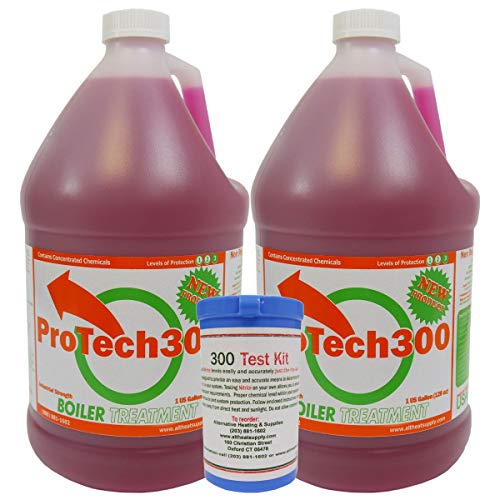
This kit includes ProTech 300 and a test kit to monitor nitrite levels, aiming to protect outdoor wood boiler investments from rust, corrosion, and scale. Best for: customers who want an integrated protection and monitoring solution. Better for: users prioritizing testing accuracy. Caution: kit contents may require additional components for full system compatibility.
Resideo L6006A1160 Immersion Aquastat (Outdoor Boiler)

Specifically described for outdoor wood fure boilers, this immersion aquastat emphasizes efficient temperature control and reliable performance. Best for: Resideo-compatible installations needing a dedicated outdoor boiler aquastat. Better for: users who want a straightforward, purpose-built unit. Caution: confirm model matching with your system’s existing controls before installation.
Buying Guide: Key Considerations When Choosing an Outdoor Wood Boiler Aquastat
What is an aquastat and why is it important?
An aquastat regulates boiler water temperature by controlling the burner or circulating pumps. In outdoor wood boiler setups, a reliable aquastat ensures efficient heat transfer, protects equipment from thermal stress, and minimizes fuel use.
Immersion vs. external sensor controls
Immersion aquastats sense water temperature directly via a probe inside the boiler loop, offering precise control. External or replacement-style units may mount on the housing and use ambient sensors, which can be easier to install in tight spaces but may be less responsive to rapid water temperature changes.
Temperature range and differential
Common ranges span from about 130°F to 265°F. A wider adjustable differential lets you tailor when the system turns on and off, affecting pump cycling and energy use. Choose a model with a differential that matches your heating load and desired stability.
Compatibility and installation considerations
Verify compatibility with your boiler brand and model. Some aquastats are designed for specific controllers or boiler types (indoor vs. outdoor), while others offer versatile wiring options. Check connection terminals, mounting style, and required power supplies.
Rust and corrosion protection for outdoor systems
Outdoor water loops face exposure to weather and mineral buildup. Rust inhibitors and corrosion-control products help extend system life. For the chemical treatments, confirm dosage guidelines align with your boiler capacity and water chemistry.
Maintenance and monitoring
Consider kits that include monitoring tools (like nitrite test kits) to maintain water quality. Regular checks prevent scale and corrosion and support longer equipment life.
Choosing the right product mix
For comprehensive protection, pair an immersion aquastat with rust-inhibitor compounds designed for outdoor boilers. For smaller systems, a targeted rust inhibitor kit with straightforward dosing can be sufficient. Always follow manufacturer guidelines for safety and installation.
FAQ
- What is the main purpose of an outdoor wood boiler aquastat? It regulates water temperature and controls pumps or valves to maintain efficient heat transfer and protect equipment.
- Should I choose immersion or external sensors? Immersion sensors provide direct, responsive temperature readings in the water loop, while external sensors may be easier to install in some setups but can be less precise.
- How do I determine the right temperature range? Consider your heating load, climate, and safety margins. A typical range of 130–265°F with an adjustable differential offers flexible control for many outdoor boilers.
- Are rust inhibitors safe for all boiler systems? Most are designed for outdoor wooden boiler loops, but compatibility with glycol, propylene glycol, and your specific materials should be verified.
- Do I need a test kit? A nitrite test kit helps monitor protection level and corrosion inhibitors, supporting proactive maintenance.
- Can I mix products from different brands? Mixing can be effective if components are compatible, but confirm chemical compatibility and follow each product’s guidelines.