When cold weather hits, reliable engine starts become a priority. Plug-in engine block heaters warm coolant or oil, improving lubrication and reducing wear during cold starts. This article highlights five top options, covering oil pan pads, magnetic heaters, and high-wattage block heater cords, to help American drivers choose the right solution for their vehicle and climate.
Summary of selected products:
| Product | Brand | Key Benefit |
|---|---|---|
| KENUOS Engine Oil Pan Heater Pad | KENUOS | Fast oil heating and smart temperature control |
| Tecreddy 120V Block Heater Cord | Tecreddy | Durable replacement cord for heavy-duty blocks |
| Fexhull Magnetic Engine Block Heater | Fexhull | Versatile magnetic mounting for quick setup |
| BMI Power Badger Engine Block Heater Controller | BMI | Automates temperature-based preheating |
| Zerostart 3500043 Engine Block Heater | Zerostart | High wattage, broad compatibility |
KENUOS 2Pcs Engine Oil Pan Heater Pad

The KENUOS oil pan heater pad is designed to fit metal surfaces like engine oil pans and perhaps transmissions, delivering rapid preheating. With a 120V supply and 68-inch power cord, the pad reaches approximately 194°F (90°C) before automatically cycling off, and resumes heating if the temperature dips to around 122°F (50°C). The 3M self-adhesive backing makes installation straightforward—clean, peel, and press onto a clean metal surface. This solution targets quick viscosity improvements for starting reliability in cold conditions, helping reduce cold-start wear and extending engine life.
Key features include fast warming (about five minutes to reach starting temperature), a built-in thermostat, and safe shutoff to prevent overheating. The 4 x 5 inch pad provides focused heating where the oil pan is located, supporting engines where space is constrained. Installation is non-invasive and compatible with multiple metal surfaces though it’s primarily positioned for oil pans and related metal housings. Users should ensure the pad is placed on clean, flat metal surfaces for best adhesion and heat transfer.
Performance considerations: rapid preheating is beneficial on engines that struggle in deep cold, especially if you have limited access to a block heater. The smart temperature control helps avoid over-heating, which is a common concern with some aftermarket options. The adhesive backing is strong but may require reapplication if the surface gets contaminated or if vibrations are intense in some vehicle configurations.
Tecreddy 6-Foot 120V Block Heater Cord

The Tecreddy block heater cord is positioned as a heavy-duty extension for immersion and engine block heaters. It is a practical replacement cordset, matching several common part numbers to ensure compatibility with Ford F-series diesels and Dodge Cummins engines across model years. The 6-foot length offers flexibility for parking setups and engine access, while the 16 AWG construction provides a balance of flexibility and durability in winter conditions. This cord is suitable for owners who already have a block heater unit installed and simply need a reliable power connection.
Important considerations include ensuring compatibility with your specific block heater model and vehicle. The cord is designed for heavy-duty applications and can withstand colder climates where longer reach is needed to position the power outlet away from snow and moisture. Maintenance involves inspecting the cord for cracks or wear and replacing it if insulation becomes compromised. The product line-up typically references multiple part numbers, so verifying the exact match is essential before purchase.
Fexhull Magnetic Engine Block Heater
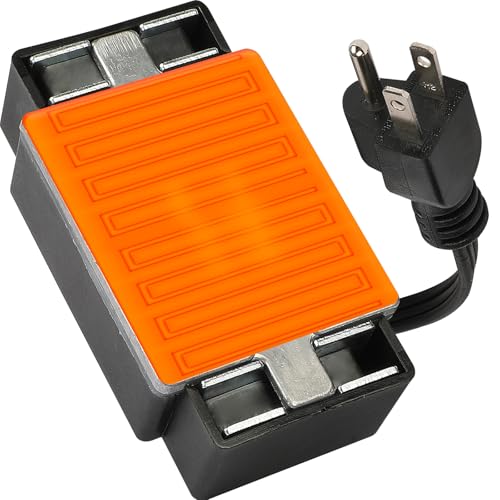
The Fexhull magnetic engine block heater offers a versatile solution with a strong magnetic base for quick attachment to metal surfaces such as oil pans, transmissions, or engine blocks. The 120V, 300W heater includes a thermostat to prevent overheating, automatically stopping at 130°C and resuming heating when the temperature falls below 60°C. This design prioritizes ease of setup and safety, eliminating the need for screws or brackets. It is well-suited for temporary or portable warmth, and its simple attachment can work well for boats, generators, or tractors in addition to standard automotive engines.
Considerations include magnetic strength on different metals and the exposure to vibration. While magnets are convenient, ensure the surface is clean and free of debris for reliable adhesion. The thermostat adds a safety layer but users should monitor initial operation to verify heat transfer is uniform and that the magnet remains secure during operation and movement. This option excels for quick, non-permanent preheating needs across multiple devices.
BMI Power Badger Engine Block Heater Controller

The Power Badger controller by BMI offers an automated approach to preheating, leveraging outside temperature readings to adjust firing time. It supports two modes: Timed Ready and Maintain Ready, aiming to balance energy use with starting readiness. The controller is designed to work with existing block heater setups, adding intelligent timing to optimize warm-up while reducing energy waste. This option is particularly attractive for users who want a hands-off solution and are willing to invest in a controller to maximize efficiency over a season.
Key considerations include compatibility with your existing heater and the climate profile of where you park your vehicle. The device may require professional installation to ensure proper wiring and safety. Users should verify power requirements and ensure the controller’s timing logic aligns with their typical cold-start conditions. The potential energy savings can justify the setup cost for those who endure extended cold snaps.
Zerostart 3500043 Engine Block Heater

The Zerostart 3500043 engine block heater is a high-wattage option designed for Ford, Mercury, Lincoln, International, Caterpillar, and other heavy equipment applications, with a 3/4″ NPT thread for secure installation. This model targets quick cold-weather starts by delivering robust heat to the coolant circuit, reducing engine wear and improving lubricity before the engine starts. CSA certification adds a safety assurance for electrical components in harsh climates. Compatibility spans a broad range of vehicles, but users should verify thread size, mounting clearance, and power compatibility with their specific engine block or immersion heater system.
When evaluating high-wattage options like this, consider the heat demand of your engine, availability of under-hood clearance, and the electrical circuit capacity. While higher wattage provides faster warm-up, it also increases current draw and circuit load. Proper installation, including weatherproof connections and secure mounting, is essential in winter environments where exposure to salt and moisture is common.
Buying Guide: Key Purchase Considerations
Selecting the right plug-in engine block heater involves balancing heat needs, installation ease, and long-term reliability. Here are essential factors to consider:
- Engine type and location: Oil pans, blocks, and coolant circuits have different heating needs. Choose a heater designed for your engine layout and mounting surface.
- Power and heat output: Higher wattage heats faster but draws more amperage. Match wattage to climate, engine size, and electrical availability.
- Installation method: Adhesive pads are quick but may not suit all surfaces. Magnetic or threaded block heaters require proper mounting and surface condition.
- Temperature controls: Built-in thermostats prevent overheating. Controllers offer automated scheduling, improving energy efficiency but may require wiring.
- Durability and safety: Look for CSA/UL certifications, weatherproof housings, and robust cords rated for outdoor use.
- Compatibility: Confirm model year, engine displacement, and part numbers when replacing cords or pads. Some components require specific thread sizes or adapters.
- Maintenance: Inspect cords, adapters, and heater pads for wear or adhesive degradation. Replace components showing damage to avoid electrical hazards.
From quick-acting oil pan pads to modular cords and programmable controllers, the right combination depends on your vehicle, climate, and how often you need preheating. The options reviewed here provide a spectrum of approaches—from non-invasive magnetic devices to high-wattage heaters suited for demanding winter starts. Consider stability, ease of use, and safety features when making a final choice to ensure reliable starts and reduced engine wear through cold seasons.