When camping away from electrical outlets, choosing the right portable heater means balancing reliability, safety, fuel availability, and heat output. The following non-electric and battery-assisted options are designed to keep campers warm in tents, cabins, RVs, and outdoor environments without relying on shore power. Each product below is chosen for portability, ruggedness, and practical safety features to help you stay comfortable in varying weather.
Product Snapshot
| Product | Fuel/Power | BTU | Best For |
|---|---|---|---|
| Mr. Heater F232017 MH9BXRV Buddy Grey Indoor-Safe Portable RV Radiant Heater | Propane | 4,000–9,000 | Small to mid-size spaces, RVs |
| 9,000 BTU Portable Buddy Radiant Propane Heater | Propane | 4,000 or 9,000 | Versatile camping and outdoor use |
| GiveBest Portable Electric Space Heater | Electric | 1,500 | Electric-off-grid backup via battery or generator |
| Kerosene Heater Indoor/Outdoor with BBQ Grill — 10,000 BTU | Kerosene | 10,000 | Power outages, off-grid heating, cooking backup |
| Windpost Indoor & Outdoor Kerosene Heater With 3 Wicks — 9,000 BTU | Kerosene | 9,000 | Compact, portable kerosene warmth |
| TZOSDOBO Cordless Heated Blanket | Rechargeable battery | – | Personal warmth in cabins or tents |
Mr. Heater F232017 MH9BXRV Buddy Grey Indoor-Safe Portable RV Radiant Heater
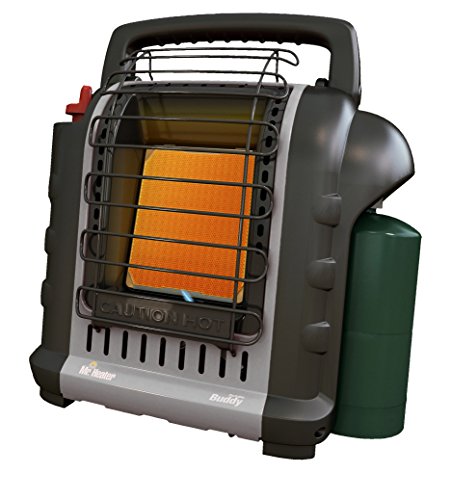
The Mr. Heater Buddy MH9BXRV is a portable propane heater designed for indoor and outdoor use with radiant heat output. It offers a range of 4,000 to 9,000 BTU, suitable for spaces up to roughly 225 square feet. The unit is flame-safe for RVs and tents when used with appropriate fuel cylinders and ventilation. It includes safety features such as auto shut-off if tipped, pilot light failure, or low oxygen detection, contributing to safer off-grid warmth. Altitude operation may influence performance, potentially triggering a shutdown above 7,000 feet. This model emphasizes indoor-friendly combustion and efficient heat delivery.
9,000 BTU Portable Buddy Radiant Propane Heater

This propane heater by Mr. Heater emits 4,000 or 9,000 BTU of radiant heat and is designed and approved for indoor and outdoor use. It heats spaces up to about 225 square feet and is compact enough for camping or small camping setups. The design prioritizes portability and quick warmth, making it a common option for campers who need reliable heat without electricity. Always ensure proper ventilation to avoid carbon monoxide buildup when used in enclosed spaces.
GiveBest Portable Electric Space Heater

The GiveBest electric heater offers a two-mode operation, providing 1500W or 750W heat with a cooling option. It includes thermostat control and an automatic safety shutoff for overheating, along with tip-over protection. While it requires electricity, its compact size and adjustable thermostat can serve as a convenient indoor or tent-side heater when a portable power source is available or during base-camp setups where off-grid power is accessible. This unit is designed for indoor use but can complement off-grid plans where battery packs or generators are available.
Kerosene Heater Indoor/Outdoor With BBQ Grill, 10,000 BTU
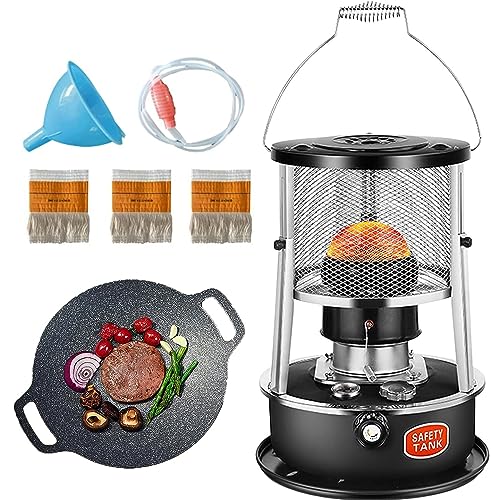
This non-electric kerosene heater delivers up to 10,000 BTU, suitable for heating a tent, cabin, or small shelter when electrical power is unavailable. It emphasizes fast and efficient warmth with a combustion core designed for thorough kerosene burning. Features include a flame adjuster, tip-over switch, and a protective grill. The unit is positioned as an all-purpose option for camping and emergency use, with the added benefit of a cook-ready top option in some versions, though you should verify the model’s grill compatibility and ventilation requirements before use in enclosed spaces.
Windpost Indoor & Outdoor Kerosene Heater With 3 Wicks — 9,000 BTU

This kerosene heater from Windpost provides 9,000 BTU of heat with a portable design suitable for both indoor and outdoor use. It is designed for energy-efficient, low-oxygen emissions operation and offers a compact build with a protective grill and carrying handle. The unit emphasizes portability and off-grid capability, making it a practical option for campers and emergency warmth without electricity. Its three-wick design supports longer run-times, and the unit is built for rugged outdoor environments where quick warmth is needed.
TZOSDOBO Cordless Heated Blanket

The TZOSDOBO cordless heated blanket offers portability with a rechargeable battery bank and a built-in battery pocket for freedom away from outlets. It features three heat settings and a timer-friendly design, providing personal warmth for cabins, tents, or trailer interiors where a full heater is not practical. This option complements other off-grid heating methods by delivering localized warmth without fuel consumption or electrical access, reducing the need to heat large spaces unnecessarily.
Buying Guide: Key Considerations For Camping Off The Grid
- Heat source and fuel type: Propane, kerosene, and battery-powered options each have trade-offs. Propane provides instant heat and portability but requires fuel canisters and proper ventilation. Kerosene offers long run times and indoor capability with a proper venting plan, while battery-powered blankets and small electric heaters depend on an available power source and battery capacity.
- Heat output and space: Match BTU ratings to the space you need to heat. RVs and small tents may require 4,000–9,000 BTU, while larger shelters might need higher outputs or multi-unit strategies. Consider ceiling height, insulation, and door openings.
- Ventilation and safety: Non-electric heaters in enclosed spaces demand ventilation to avoid carbon monoxide buildup. Safety features such as auto shut-off, tip-over protection, and oxygen depletion sensors are critical for off-grid use.
- Portability and durability: Look for compact, rugged designs with carrying handles, weather-resistant housings, and fuel storage capacity suitable for your camping duration.
- Run-time and fuel availability: Assess how long a heater will run on a given fuel supply. For kerosene and propane, plan for refueling options at the campsite. Battery-powered options depend on battery life and recharging capabilities.
- Maintenance and backup plans: Regularly inspect fuel lines, wicks, or batteries. Have a backup heat source in case one unit requires maintenance or fuel becomes unavailable.
- Regulatory and environmental considerations: Some camping sites have restrictions on open flames or kerosene use. Check site policies and follow local safety guidelines to minimize fire risk and emissions.
- Multi-scenario use: Consider a combination approach—kerosene or propane for off-grid warmth, and a battery-powered or generator-assisted option for flexible scenarios in cooler nights.