Power roof vents with thermostats are ideal for homeowners seeking automatic attic cooling and moisture control. The top picks below are best for readers who want energy-efficient ventilation, reliable thermostat control, and straightforward installation. They suit different attic sizes, roof types, and budget considerations. The quick-reference table highlights the core specs to compare at a glance.
| Product | Airflow (CFM) | Size/Scope | Best For |
|---|---|---|---|
| Master Flow GAF 1000 CFM PT6 | 1000 | Up to 1600 sq ft | Smaller attic spaces, energy efficiency |
| Master Flow GAF 1500 CFM ERV6BL | 1500 | Up to 2800 sq ft | Larger attics, built-in HT1 thermostat |
| Master Flow GAF 1500 CFM Weathered Wood (ERV6) | 1500 | Up to 2800 sq ft | Stylish fit with durable steel |
| Master Flow GAF 1500 CFM Shingle Match Weathered Wood | 1500 | Up to 2800 sq ft | Consistent performance with matched look |
| Master Flow GAF 1500 CFM Brown (ERV6BT) | 1500 | Up to 2800 sq ft | Brown finish for concealment |
Master Flow GAF 1000 CFMPT6 Power Roof Vent

Best for smaller attic spaces, this model emphasizes energy efficiency and durable construction. It uses significantly less electricity than typical vents, based on test data, helping reduce energy costs and protect roofing materials. A galvanized steel body adds long-term durability for exposed roof installations.
Who it’s best for: homeowners with up to 1,600 sq ft attics seeking economical operation and simple setup. Why selected: strong balance of airflow and energy savings in a compact footprint. Caution: limited maximum airflow could be insufficient for very hot, oversized spaces.
Master Flow GAF 1500 CFM ERV6BL Powered Roof Vent

Designed for larger attics, this unit provides up to 1,500 CFM and includes a thermostat controller for automatic cooling when needed. Its galvanized steel construction ensures durability in harsh weather, and it supports attic spaces up to 2,800 sq ft. Effectively reduces attic heat and can lower cooling costs when paired with proper insulation.
Who it’s best for: homes with bigger or sun-exposed attics needing robust airflow and thermostat-driven control. Why selected: high airflow with built-in thermostat for responsive cooling. Caution: higher airflow means louder operation in some installations.
Master Flow GAF 1500 CFM ERV6BL Brown

This brown-finished model combines the same 1,500 CFM performance with a thermostat controller and durable galvanized steel build. It is sized for up to 2,800 sq ft attics and is noted for efficient attic cooling versus passive vents. It’s a practical choice when aesthetics matter as much as performance.
Who it’s best for: homeowners prioritizing both cooling efficiency and a color that blends with roofing tones. Why selected: consistent airflow with a finishing color that minimizes visual impact. Caution: ensure color choice matches roof palette to avoid conspicuous mismatches.
Master Flow GAF 1500 CFM Weathered Wood Shingle Match
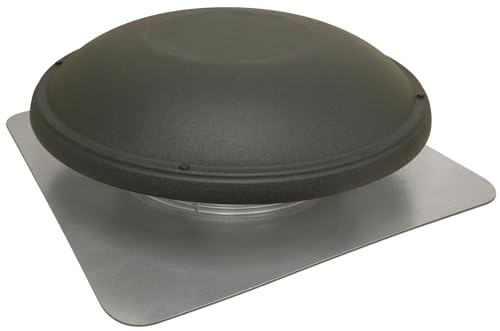
This model matches a weathered wood shingle aesthetic while delivering up to 1,500 CFM for attic spaces up to 2,800 sq ft. It includes a built-in screen to reduce debris infiltration and a thermostat controller for energy-efficient operation. The weathered look helps it blend with similar roof tones.
Who it’s best for: buyers seeking performance without compromising roof aesthetics. Why selected: good combination of airflow, control, and a look that harmonizes with certain roof styles. Caution: appearance may still differ slightly from actual shingles over time.
Master Flow GAF 1000 CFM Black Power Roof Mount Attic Vent

Although listed here for comparison, this 1,000 CFM unit emphasizes efficiency and strong air exchange for attic spaces up to 1,600 sq ft. It uses less electricity than many rival vents while delivering solid airflow, making it a good fit for smaller homes or upgrades from passive venting.
Who it’s best for: homeowners wanting a low-profile, efficient upgrade in a dark finish. Why selected: best for lower-capacity needs with energy savings. Caution: airflow is lower than 1,500 CFM models, which may matter in hotter climates.
Buying Guide
- How much attic space needs ventilating? Choose a model whose CFM comfortably exceeds the attic’s square footage to ensure effective hot-air removal.
- Do you want thermostat control? Thermostat or humidistat features enable automatic operation, saving energy and keeping attic temperatures closer to ambient conditions.
- What roof type and finish suit your home? Galvanized steel delivers durability; color-matched finishes can improve curb appeal on visible roofs.
- Noise considerations: Higher airflow often means more noise. Look for models designed with acoustically mindful housings or consider placement to minimize sound.
- Installation and maintenance: A built-in screen helps prevent debris; ensure you have access for wiring and mounting hardware based on your roof structure.
Key Purchase Considerations
- Energy efficiency: Models that use up to 55% less electricity than typical vents offer long-term savings.
- Durability: Galvanized steel constructions resist corrosion and weathering for attic-mounted installation.
- Airflow capacity: For attic spaces up to 2,800 sq ft, 1,500 CFM models provide robust ventilation; smaller spaces can work well with 1,000 CFM units.
- Aesthetics: Finishes like weathered wood, brown, or black can blend with roof styles; select a look that minimizes visual impact.
- Warranty and service: Check the manufacturer’s terms or local installers for availability of parts and replacement options.
FAQ
- What size attic vent do I need for a 2,000 sq ft attic? A 1,500 CFM unit is commonly suitable, but verify with your insulation and climate considerations.
- Is thermostat control necessary? It helps automate cooling and can reduce energy use by matching ventilation to attic temperatures.
- Can these vents be installed on all roof types? Most are designed for standard roofs; confirm compatibility with metal, shingle, or tile roofs before purchase.
- Do these vents require professional installation? Installation complexity varies; some homeowners with basic wiring can install; others may prefer professional help.
- Will a built-in screen prevent all debris? Screens reduce debris, but you should periodically inspect for clogs, especially in windy areas.
- Are these vents suitable for humid climates? Yes, but ensure a model includes humidity or thermostat control to optimize performance.