Find the right pre-insulated copper pipe covers to prevent freezing, reduce condensation, and improve energy efficiency. This guide highlights five options suited for homeowners, DIYers, and HVAC pros seeking easy installation and durable insulation. Each product is evaluated for its best-use case, installation simplicity, and practical limitations.
Summary Table (selected products)
| Product | Best For | Key Benefit |
|---|---|---|
| Duck Brand Foam Pipe Covers (0.75 in × 1 ft, Black) | Indoor hot & cold water pipes | Pre-slit with self-sealing edges for quick install |
| Foam King Insulating Foam Pipe Covers (12 Pack, 1/2 in) | Multiple small copper pipes | Long 3 ft pieces, pre-slit for fast wrapping |
| Duck Brand Insulating Foam Pipe Covers (0.75 in × 3 ft) | Outdoor or longer runs | Pre-slit, keeps pipes from freezing and sweating |
| Worldity 4 Pack 2 Inch Pipe Insulation | 2-inch copper pipes in outdoor or exposed setups | 20 mm thickness with self-adhesive wrap |
| Foam King Pipe Insulation Foam Tube 1 Inch (12 Pack) | Outdoor/indoor pipes of various materials | Pre-slit, self-seal, year-round protection |
Duck Brand Foam Pipe Covers, 0.75 in × 1 Ft

Best for short, indoor runs on hot or cold water pipes. These pre-slit foam pipe covers with self-sealing edges simplify installation on curved pipes. Suitable for temperatures up to 212 F, helping prevent winter freezing and summer sweating in indoor plumbing and HVAC lines. Ideal for homeowners prioritizing quick, tool-free setup. Caution: edge protection may wear with heavy traffic or vibration on exposed pipes.
Foam King Insulating Foam Pipe Covers (12 Pack, 1/2 in)
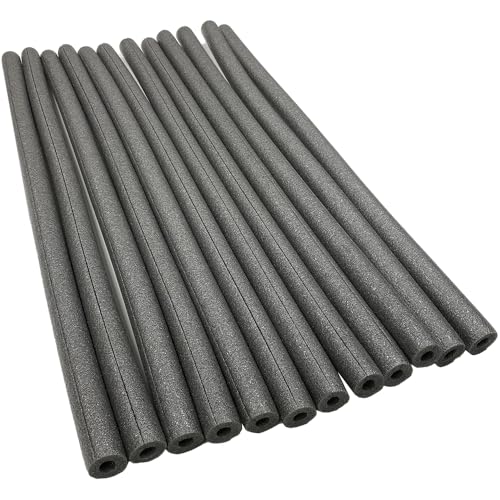
Best for routing multiple copper or iron pipes with a consistent 1/2 inch nominal size. Each cover is 3 feet long and pre-slit for quick wrap-around installations. The product emphasizes year-round protection and energy savings by reducing heat loss and preventing pipe sweating. Good for DIY projects and new installations. Limitation: sizes are approximate and can vary slightly due to manufacturing.
Duck Brand Insulating Foam Pipe Covers, 0.75-Inch × 3-Feet

Best for longer runs or outdoor-adjacent pipes. These foam pipe sticks guard against winter freezing and summer sweating, with a safe temperature rating up to 212 F. Recommend for exterior pipes or garage lines where temperature fluctuations are common. Caution: ensure a secure fit on curved or irregular pipe shapes to avoid gaps.
Worldity 4 Pack 2 Inch Pipe Insulation

Better for 2-inch copper pipes in outdoor or exposed scenarios. Features a self-adhesive design with pre-slit construction for fast wrapping. The insulation thickness of 20 mm reduces heat loss and helps prevent freezing, while the adhesive outer film provides secure attachment. Choose this for outdoor HVAC lines or where longer insulation pieces are advantageous. Caution: check exact pipe size compatibility before purchasing.
Foam King Pipe Insulation Foam Tube 1 Inch (12 Pack)
Best for mixed-use piping projects where multiple lines require insulation. Each 3-foot section fits copper pipes around 1/2 inch nominal size. The foam is pre-slit and self-sealing, offering year-round protection by reducing heat loss and condensation. Good for outdoor and indoor applications alike. Limitation: sizes are approximate and may require trimming for tight bends.
Buying Guide: Key Considerations For Pre-Insulated Copper Pipe Covers
What pipe diameter and material should you choose?
Match the insulation sleeve to your pipe diameter (commonly 1/2 inch to 2 inches nominal). Copper pipes are a frequent choice, but some lines may be iron or PVC in older homes. Pre-slit designs with self-sealing edges simplify wrapping around curves and joints.
Indoor vs outdoor use
Indoor pipes typically require fewer rugged features, focusing on moisture resistance and aesthetics. Outdoor applications demand UV resistance, higher durability, and weatherproofing to withstand sun, rain, and freezing conditions.
Installation ease and speed
Pre-slit, self-adhesive, and flexible foam sleeves offer the fastest installation. If you need to cover many pipes quickly, consider longer sections and larger packs to minimize cutting and securing time.
Temperature range and protection level
Most pre-insulated sleeves tolerate up to 212 F. For outdoor lines exposed to sun and temperature swings, look for thicker insulation and reflective inner layers to minimize heat absorption and condensation.
Durability and reuse
Quality foam sleeves can be reusable in some cases, especially if they are undamaged. For long-term installations, choose products with durable outer shells and reliable adhesive that won’t deteriorate with repeated temperature changes.
Size compatibility and fit
Always verify nominal size versus actual pipe diameter. Some listings use approximate measurements. If in doubt, measure the pipe outer diameter and select a sleeve with a snug but not tight fit.
Safety and certifications
Look for sleeves rated for standard household temperatures and non-flammable materials. The listed items emphasize safety for typical indoor and outdoor environments; no need for specialized certifications for ordinary home use.
Maintenance and longevity
Regular inspection helps ensure edges remain sealed and intact. Replacing worn sleeves can prevent heat loss and condensation without replacing entire piping runs.
FAQ
Are pre-slit foam pipe covers easy to install by DIY installers?
Yes. Pre-slit designs with self-sealing edges are designed for quick wrapping around pipes, reducing installation time and effort.
Will insulation protect pipes from freezing in outdoor temperatures?
Insulation reduces heat loss and minimizes the risk of freezing by keeping water temperature more stable along the line.
Can I use these sleeves on curved pipes?
Yes. Many sleeves are pre-slit and flexible, allowing installation on curved sections. Ensure a secure fit to prevent gaps.
What sizes are the most common for residential copper piping?
Common nominal sizes include 1/2 inch, 3/4 inch, and 1 inch. Verify the pipe outer diameter and choose a sleeve close to that size for best fit.
Do these sleeves require special tools?
No special tools are typically needed. Scissors or a utility knife may be used to trim excess length if required.
Are there any downsides to using pre-insulated sleeves?
Gaps or improper sealing can reduce effectiveness. Ensure proper overlap and secure edges to prevent leaks and moisture ingress.