Find the right propane heater and stove combo for outdoor warmth and cooking in any setting. This guide highlights top 5 options, describing who each is best for, how they perform, and potential limits. Ideal for campers, tailgaters, and backyard enthusiasts looking to combine heat and cooking in one compact unit. The following selections cover portable 2-in-1 heaters, multi-use patio units, and lightweight stoves that double as heaters. Use the comparison notes to decide which model fits your outdoor adventures—from quick warmth to full cooking capability.
Overview Of Top Picks
- Mozodawn 2 in 1 Propane Heater & Stove — 13,000 BTU, portable with handle; best for compact camping and tents.
- GasBRUH Outdoor Multi-Use Heater/Cooker — 18,000 BTU; best for larger gatherings and patio use.
- Caynel 2 in 1 Portable Propane Heater and Stove — versatile, light, ideal for backpacking and emergency use.
- DeTeMoscor 2-in-1 Propane Heater and Stove — offers a seamless transition between heating and cooking for all-day outdoor enjoyment.
- 2 In 1 Portable Propane Heater Stove (Zorpupoa) — 2000W with three modes; best for flexible outdoor setups and small spaces.
Mozodawn 2 in 1 Propane Heater & Stove

Best for: compact camping, tents, and small outdoor spaces. Why selected: Combines heat and cooking in a single 13,000 BTU unit, with a portable handle and a rust-resistant stainless interface for longer service life. The 360-degree radiant heat helps warm a small group quickly. Caution: This model relies on a stable outdoor setup and proper ventilation; ensure adequate airflow to avoid buildup.
GasBRUH Outdoor Multi-Use Heater/Cooker

Best for: backyard gatherings, camping with cooking needs, and tailgates. Why selected: 18,000 BTU output designed for heating and cooking outdoors; features a safety-centric design with a standalone ignition and metal construction. Limitation: Propane tanks are not included, and outdoor use only; follow safety practices to prevent leaks and keep away from flammable materials.
Caynel 2 in 1 Portable Propane Heater and Stove

Best for: hikers, campers, and emergency preparedness. Why selected: Lightweight, compact 2-in-1 unit with cooking and heating capabilities; durable steel and copper components support fast heating and long life. Caution: Data indicates high efficiency but still requires careful use to avoid overheating or unintentional ignition in enclosed spaces.
DeTeMoscor 2-in-1 Propane Heater and Stove

Best for: extended outdoor use in cool days and evenings, plus quick shifts to cooking. Why selected: 13,000 BTU heater with a built-in cooking surface in a 2-in-1 design; aims to maximize deck space and outdoor enjoyment. Limitation: Requires a stable power of propane and safe operation; avoid use in enclosed spaces without ventilation.
2 In 1 Portable Propane Heater Stove (Zorpupoa)

Best for: flexible outdoor setups where you need three modes and portable warmth. Why selected: 2000W heater with three modes (cooking, heating, and combo) and a compact footprint; suitable for camping, picnics, and small gatherings. Limitation: Small footprint means modest heating range; best used for close-quarters warmth rather than large spaces.
Gas One GS-3400P Portable Stove
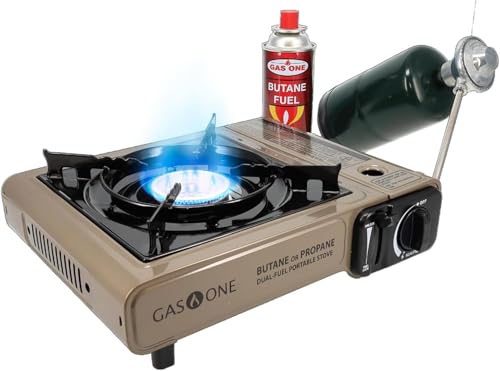
Best for: emergency preparedness kits and outdoor cooking with a compact single-burner design. Why selected: Dual-fuel capability (butane or propane) with a converter regulator; portable and easy to use with a Piezo ignition. Caution: Propane or butane fuels must be sourced separately; ensure the right fuel type before use.
Gas One High-Pressure Single Propane Burner

Best for: outdoor cooking requiring a high-heat single burner with protection. Why selected: High-output design provides fast cooking and boiling, with heat guards to prevent accidental contact; suitable for seafood boils and camping meals. Limitation: Not a full stove setup; add separate cookware as needed.
Buying Guide: Practical Considerations For Propane Heater And Stove Combinations
- What is the primary use—camping, backyard, or emergency preparedness? Choose a model that prioritizes portability for travel or heat output for larger spaces.
- How many functions are essential? If you need both heating and cooking, look for true 2-in-1 units rather than separate devices to save space and budget.
- BTU or wattage considerations: Higher BTU means more heat; ensure your space is appropriate for the unit’s rated output to avoid waste and safety concerns.
- Fuel availability and safety: Ensure propane tanks are easy to source, and verify safety features like automatic shut-off valves, flame guards, and proper ventilation requirements.
- Portability vs. durability: Lightweight units are great for hiking and camping; sturdier models suit backyard parties or frequent outdoor use.
- Ventilation and space planning: Always use outdoor or well-ventilated spaces; avoid enclosed areas to minimize carbon monoxide risk.
- Maintenance needs: Stainless interfaces and robust construction extend life; check cleaning routines and storage considerations for fuel and ignition components.
Frequently Asked Questions
- Are propane heater-stoves safe to use indoors?
– These units are designed primarily for outdoor use. Always operate with adequate ventilation and follow the manufacturer’s safety guidelines to minimize risk. - Can I cook on these heaters while they are heating?
– Many 2-in-1 models support simultaneous heating and cooking, but performance varies. Follow the product’s mode instructions to avoid overheating and ensure even heat distribution. - Do all models require separate propane tanks?
– Most do, except some integrated stove designs that specify compatible fuel options. Always verify fuel type and capacity before use. - Is high BTU always better?
– Not always. A higher BTU offers more heat, but you must consider space, ventilation, and fuel efficiency. Bigger spaces require more heat, while small tents may need moderate output to maintain comfort. - What safety features should I look for?
– Look for automatic shut-off valves, flame guards, sturdy legs or bases, heat shields, and a stable handle or carrying design for transport. - Do these units require any special maintenance?
– Regular inspections of hoses, regulators, and connections help prevent leaks. Clean surfaces to avoid buildup and check fuel seals before storage.