Choosing the right propane heater for a camper van scene requires balancing safety, heat coverage, noise level, and ease of use. This guide highlights top options that perform well in compact living spaces while offering features that improve reliability on the road. Each selection is designed to warm an RV or van interior efficiently, with safety shutoffs, oxygen sensors, and portability in mind. Below, you’ll find concise product overviews and practical buying tips to help you compare at a glance.
| Product | BTU Range | Best For |
|---|---|---|
| 9,000 BTU Portable Buddy Radiant Propane Heater | 4,000–9,000 | Small van spaces, quick heat |
| Mr. Heater F232017 MH9BXRV Buddy Grey Indoor Safe | 4,000–9,000 | Indoor/outdoor use, auto safety |
| 18,000 BTU Big Buddy PRO Series Heater | 4,000–18,000 | Mid-to-large vans, longer sessions |
| Avenger FBDTP30 Infra-Red Tank Top Outdoor Heater | 30,000 | Patios, outdoor cooking or camping areas |
| FOGATTI RV Furnace – 25,000 BTU | 25,000 | RV-wide heating with furnace reliability |
Note: This list prioritizes units commonly used in camper vans and RVs, focusing on reliable heat output, safety features, and indoor suitability where applicable. Always follow manufacturer guidelines for ventilation, fuel storage, and operation to ensure safe use in mobile living spaces.
9,000 BTU Portable Buddy Radiant Propane Heater

The 9,000 BTU Portable Buddy from Mr. Heater delivers flexible heat for compact camper interiors. It operates at 4,000 or 9,000 BTU per hour, allowing quick warming of small cab areas or ventilated living spaces. The unit is designed and approved for indoor and outdoor use, which makes it versatile for early mornings in the van or chilly evenings at a campsite. Coverage reaches up to about 225 square feet, suitable for typical van layouts when paired with opening vents or a small fan to circulate warm air effectively. Safety features include automatic shut-off if tipped, a safety valve, and spark ignition for reliable starts.
What to know: This heater is portable and lightweight, a benefit for frequent van travelers who rearrange gear. Because propane heat relies on proper ventilation, ensure the van is vented during operation. The radiant heat focuses warmth on occupants and nearby surfaces, which can be ideal for seated areas or a small kitchenette. With its compact form, it’s a pragmatic starter heater for van life and temporary off-grid setups.
Mr. Heater F232017 MH9BXRV Buddy Grey Indoor Safe Portable RV Radiant Heater
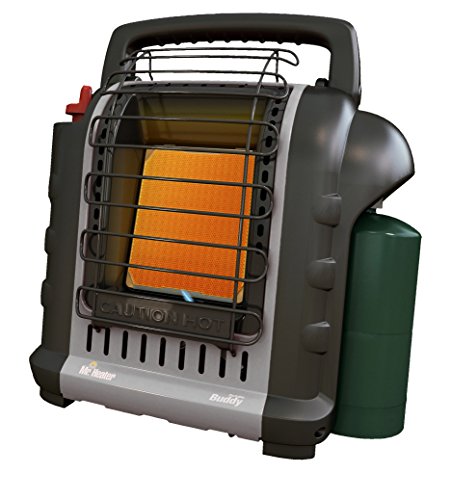
This model is a versatile indoor-safe radiant heater capable of delivering 4,000 to 9,000 BTU for spaces up to approximately 225 square feet. It is approved for indoor and outdoor use and is designed to burn cleanly and efficiently, delivering near full heat with minimal exhaust. It includes auto shut-off if tipped over, pilot light goes out, or oxygen levels are low, which adds a layer of safety for enclosed van environments. As altitude increases above 7,000 feet, users should anticipate potential shutdowns. A practical choice for modest van living or overnight camping where safety and consistent heat are priorities.
Operational notes: This unit emphasizes safety and efficiency, making it suitable for pilots who appreciate a reliable heat source without a strong electric draw. For campers, coupling this heater with a small exhaust vent or roof vent improves air quality and comfort. The no-fuss design means quick setup and straightforward maintenance on road trips.
3,800 BTU Little Buddy Portable Radiant Propane Heater
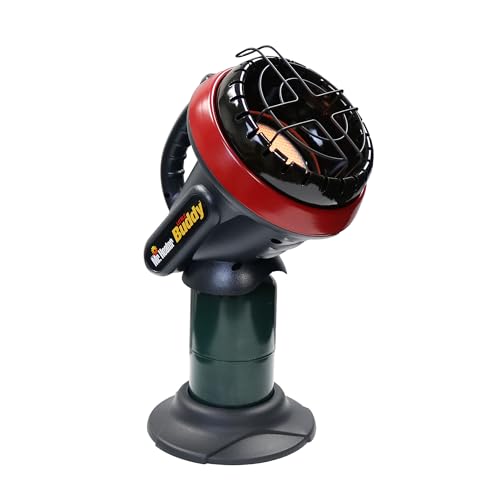
The Little Buddy offers a compact 3,800 BTU per hour output, ideal for ultra-tight camper van spaces or as a secondary heat source. It is propane-gas powered and can heat areas up to about 95 square feet, which suits small vans, cab compartments, or a cozy living nook. This heater prioritizes portability and quick warm-up times, making it a handy companion for weekend trips or when paired with a larger unit for extended stays. Safety features typically include automatic shut-off if tips are detected or if oxygen levels fall, though always monitor ventilation in enclosed spaces.
Best-use guidance: Consider how you’ll use the Little Buddy in your van layout. It pairs well with a ceiling vent or a small fan to distribute warm air evenly. It’s not meant to heat a large van alone, but it excels as a light, portable heater for controlled comfort in confined areas.
18,000 BTU Big Buddy PRO Series Heater
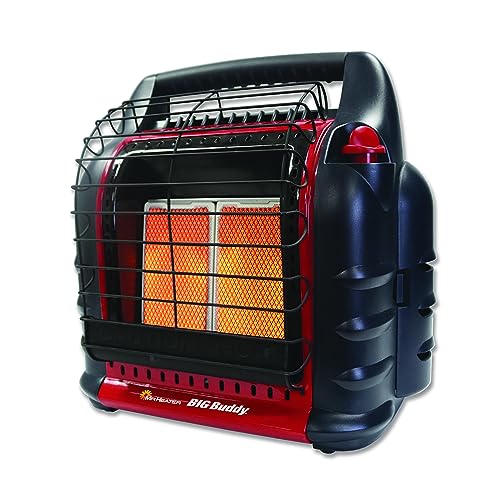
The Big Buddy PRO is a robust solution for larger vans or longer camping sessions, offering a 4,000 to 18,000 BTU radiant range to heat spaces up to 450 square feet. It blends powerful output with efficient operation, making it suitable for cooler climates or nighttime use when extra warmth is needed. It maintains indoor/outdoor usability and features safety shut-off mechanisms for tipping, flame-out, and low-oxygen conditions. It’s designed to perform reliably in a variety of altitudes, though high-altitude operation may require attention to shut-off behaviors. Expect longer runtime with a larger propane supply, which is convenient for longer road trips.
Practical considerations: For van life, the Big Buddy PRO can be paired with proper ventilation and a small exhaust strategy to manage moisture. Its higher BTU output means it can drive heat more quickly across a bigger cabin, reducing the time you need to run the heater. Keep in mind the unit’s power requirements and ensure safe clearance from combustibles when installing in a vehicle.
FOGATTI RV Furnace 25,000 BTU

The FOGATTI RV Furnace delivers a substantial 25,000 BTU heat output, designed to provide reliable warmth throughout an RV or camper under cold conditions. Its furnace-based approach offers a steady, even heat flow, which can be more uniform than radiant propane units in larger vehicle interiors. The unit includes a spark ignition system for dependable starts and is marketed as a universal compatibility option for many RV models, simplifying installation across different camper layouts. This makes it a practical option for those seeking a comprehensive, centralized heating system for their van or motorhome.
Considerations here include fuel efficiency, venting needs, and the space required for installation. Furnace-based systems often require professional installation and careful ducting to ensure even heat distribution in a van. They can provide more consistent warmth in marginal climates but may be less portable than compact radiant heaters. Safety features, maintenance access, and compatibility with existing RV plumbing and electrical systems should be reviewed prior to purchase.
Buying Guide: Key Purchase Considerations and Comparisons
- Heat output and space: For small camper vans, 4,000–9,000 BTU radiant heaters are typically enough for quick zone heating, while larger vans or colder climates may benefit from 18,000 BTU units or a furnace option for even distribution.
- Ventilation and safety: Propane heaters require adequate ventilation to prevent buildup of carbon monoxide. Look for models with auto shut-off, low-oxygen sensors, and tip-over protection. In enclosed vans, a vent or fan to circulate air is strongly recommended.
- Indoor suitability: Some heaters are explicitly designed for indoor use, while others are intended for outdoor or semi-enclosed spaces. Indoor-rated units are generally safer in a van when operated with proper ventilation and clearances.
- Portability vs. permanence: Radiant portable heaters are easy to move and store, ideal for travelers who switch between vehicles or camping modes. Furnace or built-in options offer steady heat in a single setup but require installation and more space.
- Fuel considerations: All units shown use propane, with some models designed to work with standard 20-lb cylinders. Ensure you have secure storage and appropriate hoses/regulators for safe operation on the road.
- Altitude performance: Some models may shut off at higher elevations to protect safety. If you travel to high-altitude regions, review the product’s performance notes and plan accordingly.
- Maintenance and replacement parts: Check availability of replacement parts, typical service intervals, and ease of cleaning. Radiant heaters have fewer moving parts than furnace systems but still require venting and cleanliness to maintain efficiency.
- Installation considerations: For camper vans, choose models compatible with your vehicle’s layout and your electrical or storage constraints. Portable heaters minimize the need for permanent changes, while furnaces may necessitate professional installation.
- Noise and comfort: Some units run quieter than others. If you prioritize a peaceful interior, review noise ratings and consider placing the heater away from sleeping areas or using a barrier to dampen sound.
In choosing the best propane heater for a camper van, assess your typical trip length, climate, living space, and ventilation strategy. A combination approach—such as a primary larger unit for cold nights plus a portable smaller heater for day-to-day comfort—can offer flexible warmth without overwhelming the van’s space or fuel supply. Always follow safety guidelines and the manufacturer’s instructions for installation, operation, and storage to maximize safety and comfort on the road.