Answering common buyer questions: for reliable indoor propane heating with vented or vent-free options, these models are well suited for rooms from small to large living areas and for users who want flexible fuel choices or direct-vent designs. The top picks cover vent-free space heaters, dual-fuel units, and direct-vent wall furnaces to suit different layouts and safety needs. The table below highlights the five selected products and who they are best for.
| Product | Best For | BTU / Area | Fuel |
|---|---|---|---|
| Mr. Heater 30,000 BTU Vent Free Blue Flame Propane Heater | Large living spaces, open layouts | 30,000 BTU/hr | Propane |
| ProCom Heating ML300HBA-B 30,000 BTU Ventless Blue Flame | Off-grid or generator-friendly use | 30,000 BTU | Propane |
| Mr. Heater 20,000 BTU Vent Free Blue Flame Dual Fuel | Smaller rooms, budget-conscious | 20,000 BTU | Propane / dual fuel |
| Rinnai EX38DTWP Direct Vent Wall Furnace | Controlled, energy-efficient heating | 36,500 BTU | Propane |
| JEWUNO 30,000 BTU Dual Fuel Indoor Wall Heater | Versatile fuel use, space-saving | 30,000 BTU | Propane / Natural Gas |
Mr. Heater 30,000 BTU Vent Free Blue Flame Propane Heater

Features: Emits 30,000 BTU/hr; heats up to 1,000 square feet; battery-operated electronic ignition (AAA battery included).
Best for: Living areas where a straightforward, battery-assisted ignition is preferred and where a vent-free design can efficiently heat a larger room. This model is a strong choice for open floor plans.
Caution: Vent-free heaters should be used with adequate room ventilation and follow manufacturer safety guidelines to avoid oxygen depletion in tightly sealed spaces.
ProCom ML300HBA-B 30,000 BTU Ventless Blue Flame Heater

Features: 30,000 BTU using propane; heats up to 1,400 sq. ft.; operates on propane only; push-button Piezo ignition; manual control with Low/Medium/High; Oxygen Depletion Sensor with automatic shut-off.
Best for: Users needing a propane-only solution without electrical dependencies, useful in areas with uncertain power reliability or during standby heating scenarios. The built-in ODS enhances safety in occupied spaces.
Limitation: Manual control requires attentive adjustment to maintain comfort, and vent-free operation still requires proper ventilation in enclosed rooms.
Mr. Heater 20,000 BTU Vent Free Blue Flame Dual Fuel

Features: 20,000 BTU/hr; heats up to 700 sq. ft.; battery-operated electronic spark ignition; dual-fuel design (can run on propane or natural gas when configured).
Best for: Smaller spaces where a compact, dual-fuel option provides flexibility in fuel sources and keeps heat output modest to maintain comfort without overheating.
Caution: When using natural gas through a dual-fuel setup, ensure correct installation and gas supply compatibility; verify clearances and ventilation per local codes.
Rinnai EX38DTWP Direct Vent Wall Furnace

Features: 36,500 BTU; direct vent wall furnace with a cool-to-the-touch cabinet; self-diagnostic electronics; energy-efficient operation with precise temperature control; designed for safe indoor use in families with children.
Best for: Homeowners seeking a high-capacity, controlled indoor heater with a modern safety system and modular venting. Suitable for rooms or zones where a wall-mounted unit can optimize space usage.
Limitation: Higher capacity means larger physical footprint; installation requires appropriate venting and professional setup to ensure optimal performance.
JEWUNO 30,000 BTU Dual Fuel Indoor Wall Heater
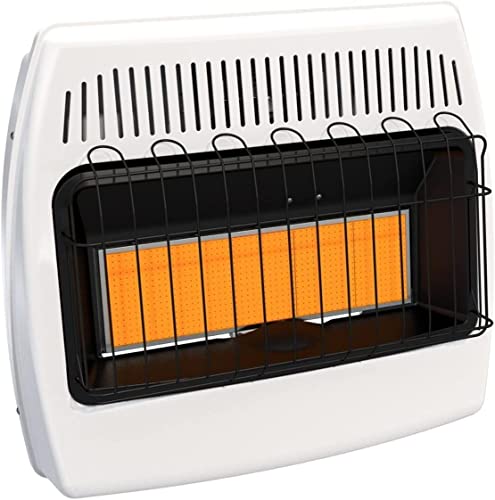
Features: Dual fuel technology (Propane or Natural Gas); infrared technology; heats up to 1,000 square feet; electronic spark ignition; thermostatically controlled; oxygen depletion sensor with auto shut-off; CSA certified.
Best for: Homeowners who want flexibility in fuel source and reliable room-by-room heating with a safety-focused design, suitable for mid to large spaces requiring constant warmth.
Caution: Proper installation is essential to maximize safety and efficiency; ensure fuel source compatibility and venting requirements are met per local codes.
Buying Guide: Propane Indoor Heaters With Venting
Key considerations help identify the right unit for your space and safety needs. Use practical questions to compare options and align with your heating goals.
- Vent-free vs direct vent: Vent-free units heat quickly in open areas but require adequate ventilation in sealed rooms. Direct-vent models vent exhaust outdoors, returning warmed air indoors with higher energy efficiency and safer emissions management.
- Fuel flexibility: Dual-fuel models work with propane and natural gas. If your fuel supply could change, a dual-fuel option offers adaptability and can simplify long-term planning.
- Room size and BTU rating: Large spaces typically require higher BTUs (e.g., 30,000 BTU). For smaller rooms, 20,000 BTU or less may be sufficient, helping avoid overheating.
- Ignition and controls: Battery-powered ignition is useful during power outages; Piezo ignition provides simple operation. Thermostatic control helps maintain consistent comfort levels.
- Safety features: Oxygen Depletion Sensor (ODS), automatic shut-off, cool-to-the-touch cabinets, and self-diagnostic electronics all contribute to safer operation in occupied homes.
- Electrical requirements: Vent-free units may still require some electrical supply for ignitions or fans. If power reliability is a concern, consider models with minimal or no electrical need.
- Installation considerations: Wall-mounted models save floor space; freestanding or ventless units can be placed in flexible layouts but must meet clearance and ventilation guidelines. Professional installation is recommended for direct-vent systems.
Practical tips for choosing
- Match BTU to room size and insulation. Overloading a space wastes fuel and can create uncomfortable heat hotspots.
- For rooms with limited ventilation, prefer direct-vent models and monitor air quality, especially in tightly sealed spaces.
- Confirm local codes and safety certifications before purchase and installation to ensure compliance and safe operation.
Installation and safety essentials
- Ensure proper clearance from walls, furniture, and drapes as specified by the manufacturer.
- Install CO detectors and ensure proper ventilation when using vent-free heaters.
- Have a professional verify gas connections and vent piping, particularly for direct-vent wall furnaces and dual-fuel installations.
FAQ
- Can I use a vent-free propane heater in a small bedroom? Yes, but ensure the room is adequately ventilated and follow the ODS and safety guidelines from the manufacturer.
- Are dual-fuel heaters better than single-fuel models? Dual-fuel models offer flexibility in fuel sources, which is useful if you want options during outages or fuel availability changes.
- Do vented direct-vent heaters require outdoor venting? Yes, direct-vent units vent exhaust outdoors while bringing in fresh air for combustion, reducing indoor emissions.
- Is it safe to run propane heaters overnight? It can be safe when using units with proper safety features, adequate ventilation, and when the space meets manufacturer recommendations.
- What maintenance is needed for vent-free propane heaters? Regular inspection of ignition systems, sensors (like ODS), and connections, plus ensuring proper ventilation and air quality in the room.
- Can I install a wall heater myself? Some units are designed for straightforward installation, but many require professional installation to ensure safe venting and gas connections.