When selecting a rooftop kitchen exhaust fan, prioritize high airflow, durable weather resistance, and quiet operation. This guide highlights five top options that balance performance with reliability, making them suitable for commercial kitchens, restaurants, and outdoor rooftop setups. Best for heavy-duty ventilation, best for quieter operation, and best overall value — these picks cover a range of needs from large-area heat and odor removal to compact rooftop installations. The buyer’s intent is addressed with clear comparisons and practical buying tips.
| Product | CFM | Best For | Notes |
|---|---|---|---|
| PeakPursuit 1400 CFM Upblast Roof Exhaust Fan | 1400 | Medium to large rooftops, quieter operation | Weather-resistant, direct-drive |
| BouPower 2400 CFM Upblast Roof Exhaust Fan | 2400 | High-heat spaces, restaurants, factories | Upgraded motor, 25″ base |
| REEPLAR 8-Inch Ceiling Mount Exhaust Fan | 200 | Smaller kitchen and bathrooms, retrofit | Roof duct compatibility, high airflow |
| RLOZUI 8 Inch Exhaust Fan | 735 | General ventilation, garages, kitchens | Wall/ceiling versatility |
| HG Power 10 Inch Shutter Exhaust Fan | 647 | Workshops, sheds, garages | Shutter design with weather seal |
PeakPursuit 1400 CFM Upblast Roof Exhaust Fan

The PeakPursuit unit provides 1400 CFM of airflow, designed for commercial and industrial rooftop ventilation. This upblast fan uses a direct-drive motor to maintain a steady flow with reduced mechanical complexity. Best for medium-to-large rooftop kitchens where a balance of ventilation power and quieter operation matters. Caution: loud environments or installations with extreme weather may still require additional sound-dampening measures. This model features weather-resistant spun aluminum housing for outdoor use.
BouPower 2400 CFM Upblast Roof Exhaust Fan
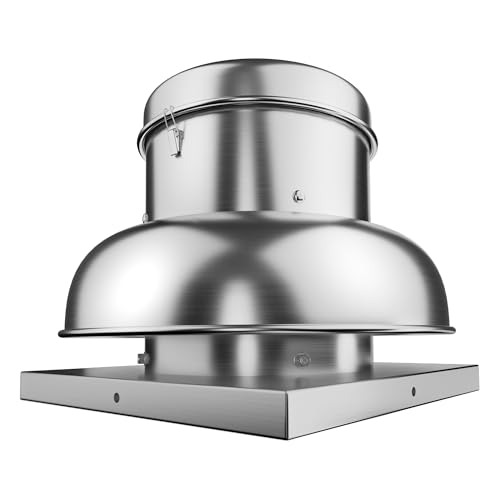
With 2400 CFM, BouPower targets demanding spaces where rapid heat and odor removal is critical. The upgraded motor and 25″ base provide robust installation support for restaurants, factories, and warehouses. This option is best for kitchens with persistent heat loads or large outdoor dining areas. It aims for quieter operation relative to its high airflow. Limitation: installation requires precise rooftop mounting to sustain long-term performance in variable weather.
REEPLAR 8-Inch Ceiling Mount Exhaust Fan

REEPLAR delivers up to 200 CFM from an 8-inch ceiling-mount design. While compact, it’s a practical retrofit option for kitchens, bathrooms, or laundry rooms that lack large rooftop space. Best for smaller rooftop setups or cloud-based renovations where you need efficient airflow without extensive ductwork. Notable limitation: higher noise levels may be reported in tightly sealed spaces, so assess noise in your actual install area.
RLOZUI 8 Inch Exhaust Fan

RLOZUI offers 735 CFM with a versatile 8-inch design suitable for wall or ceiling mounting. It’s a strong choice for kitchens, garages, or workshops where frequent ventilation is needed. The motor uses a double-bearing setup to reduce wear and extend life. Best for balanced performance in moderate spaces. Limitation: as with many high-output compact units, it may generate perceptible noise in compact rooms.
HG Power 10 Inch Shutter Exhaust Fan
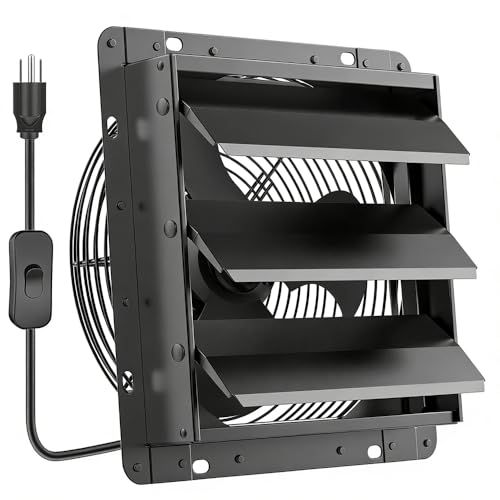
HG Power’s 10-inch shutter exhaust fan provides 647 CFM and a durable through-wall design suitable for garages, sheds, or workshops where a built-in shutter helps block rain and dust when off. This unit is best for spaces needing a sturdy, weather-resistant exhaust without rooftop installation. Choose this if you require quick, inside-mill mounting with weather-sealed operation. Limitation: not optimized for the highest airflow among rooftop options, but excels in reliability and rugged use.
Buying Guide
What capacity do you need? For rooftop kitchens, target 1000–2000+ CFM if you’re ventilating a busy cooking area or a restaurant open to diners. Smaller homes or apartments can manage with 200–600 CFM, depending on space. Consider the ducting path and roof access to determine base size and mounting type.
Roof vs. ceiling or wall mounting: Rooftop upblast fans are designed for exterior installations and typically handle more airflow with weather-resistant housings. Ceiling mount units fit interior duct systems but may require longer duct runs. Wall-mounted fans offer flexible placement in spaces where roof access is limited.
Noise levels: Look for products advertised with low-noise operation or direct-drive motors, especially for dining areas. Noise is a practical concern in crowded kitchens and open-plan eateries.
Durability and weather resistance: For rooftop installations, aluminum housings and weatherproof finishes extend service life. If you install in exposed environments, prioritize models with rust-resistant components and seals against moisture.
Motor type and energy usage: EC motors and direct-drive configurations often provide better efficiency and lower running costs over time. Compare energy use to long-term operating expenses when selecting a model.
Installation considerations: Ensure the base size, mounting footprint, and duct compatibility match your rooftop or interior duct system. Some units require specific roof cutouts or ceiling openings, which can affect installation complexity and cost.
FAQ
- What CFM do I need for a rooftop kitchen? For commercial kitchens, 1000–2000+ CFM is common, depending on kitchen size and cooking load.
- Are upblast rooftop fans weatherproof? Yes, many are designed with weather-resistant housings, but verify IP ratings and material durability for outdoor use.
- Is quieter always better? Not always. You may trade some noise for higher airflow, so balance noise tolerance with ventilation needs.
- Can these units be retrofit into existing ductwork? Some models are compatible with standard 8-inch or 10-inch duct systems, but you should confirm duct size and attachment methods during planning.
- What maintenance is required? Regular cleaning of air intakes and checking seals helps maintain efficiency and prolongs motor life.
- Which mounting option is best for my space? Rooftop upblast fans are ideal for exterior rooftops; ceiling or wall-mounted units suit interior duct routes with access to vents.
These selected models offer a range of airflow, installation types, and weather resistance to fit various rooftop kitchen setups. By comparing CFM, mounting options, and durability, buyers can choose a unit that meets both ventilation needs and environmental conditions.