Finding the right RV heater thermostat is essential for safe, reliable comfort on the road. This guide highlights five top thermostats and related components that are compatible with common RV heating systems, from gas furnaces to electric heat and cooling setups. Each option focuses on ease of installation, reliable temperature control, and compatibility across popular RV brands.
| Product | Brand | Key Benefit |
|---|---|---|
| FOGATTI RV Furnace 35,000 BTU Complete Unit | FOGATTI | All-in-one furnace with thermostat, rapid heating |
| AMI PARTS RV Water Heater Thermostat Kit | AMI PARTS | Thermal cut-off safety and ECO thermostat integration |
| Coleman-Mach Digital Thermostat | MAXXAIR | Digital interface, compatible with Coleman-Mach systems |
| RV Thermostat Replacement for Dometic | That one XZHJJF | Analog-style control with simple 12V installation |
| DEENGK RV Thermostat 9430-338 | DEENGK | Digital thermostat for select RV ACs and heaters |
Each option below is presented with a short overview, a direct link to the product on Amazon, a product image, and the essential features that matter for RV setups. The selections emphasize reliability, ease of installation, and compatibility with common RV heating and cooling systems.
FOGATTI RV Furnace 35,000 BTU Complete Unit
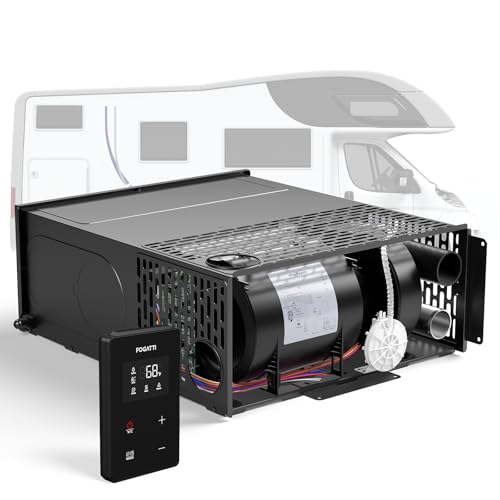
The FOGATTI unit combines a complete RV furnace with an integrated thermostat, designed for camper, motorhome, and travel trailer use. This 35,000 BTU max output supports rapid heating with three power levels and 260 CFM airflow, making it well-suited for variable climates and larger RVs. The included thermostat and full furnace assembly simplify installation, helping to reduce setup time and compatibility concerns with existing RV ductwork. Three modes—quick heat, standard, and sleep—offer flexible temperature management along with fault monitoring for troubleshooting.
With its all-in-one design, this model is a strong option for RV owners who want a turnkey heating solution. It’s especially beneficial for users upgrading older units or replacing separate furnace components with a single, cohesive system. Safety and efficiency are enhanced by the integrated controls and high-efficiency combustion process. Note that professional installation is advised for best results and to verify venting requirements and electrical connections.
AMI PARTS RV Water Heater Thermostat Kit

The AMI PARTS kit focuses on water heater safety and compatibility. It includes ECO and thermostat assemblies, foam cover, wires, and fuses designed to regulate water temperature and prevent overheating. This kit is described as compatible with several Atwood and other RV water heater models, making it useful for owners of older units or those performing targeted repairs. The kit’s safety emphasis—thermal cutoff protection and explicit caution to disconnect power during installation—helps minimize risk during maintenance and upgrades.
Key considerations include confirming model compatibility prior to purchase and ensuring that all electrical work complies with RV electrical standards. The kit’s emphasis on safety features makes it a practical option for preventative maintenance and for maintaining stable water temperatures in a variety of travel scenarios. The detailed contents reduce the need for multiple separate parts, aiding in a streamlined repair process.
Coleman-Mach Digital Single Stage Thermostat

This Coleman-Mach thermostat is designed for roof-top air conditioners and single-source heat systems, including gas furnaces or electric heaters. The unit ships with 12V wiring connectors compatible with a range of RV manufacturers and a digital LCD display for at-a-glance temperature management. It is positioned as a straightforward upgrade for RVs that use Coleman-Mach air conditioning units, with adjustable wiring harness compatibility and plug-in connectors that simplify installation while preserving original wiring layouts.
The thermostat’s 12V operation is well-suited for most RV electrical systems and can help reduce energy consumption by enabling accurate temperature control. For RV owners who want a digital readout and easy wiring integration, this model offers a balanced mix of compatibility and user-friendly features. Potential downsides include limited applicability to non-Coleman-Mach systems and the need to verify that existing wiring harness plugs align with the included plugs.
RV Thermostat Replacement (Dometic) 3106995.032

From the That one XZHJJF line, this analog replacement thermostat is tailored for Dometic-style cool-only or furnace configurations. It uses a 12V DC setup typical of older RVs and emphasizes straightforward installation with familiar 6-wire connections. The form factor and controls align with traditional analog panels, offering a reliable alternative for owners seeking a simple, non-digital solution. Compatibility checks with the specific Dometic models and system configurations are essential to ensure a proper fit and function.
The unit’s analog design can be advantageous for users who prefer a mechanical interface or are working within older RV electrical setups. While digital thermostats offer precision, many travelers rely on robust, time-tested analog controls that are easier to diagnose with basic tools on the road. As with any retrofit, ensure that the mounting cutout, power requirements, and wiring match the existing system to avoid installation issues.
DEENGK RV Thermostat 9430-338

The DEENGK thermostat is described as a digital option compatible with select RV air conditioners and heating components. It targets general heating and cooling control with a focus on compatibility with various 12V systems. The product notes emphasize its digital interface and suitability for RVs that require a modern control panel to coordinate climate functions in smaller to mid-sized coaches or trailers.
Key considerations for this choice include confirming the supported HVAC models and ensuring the thermostat’s temperature range and wiring configuration align with the existing RV setup. Digital control options can offer precise temperature management and potential energy savings, but compatibility checks are essential to avoid misfit installations on non-supported systems.
Buying Guide: Key Purchase Considerations
- System compatibility: Confirm whether the thermostat is designed for gas furnaces, electric heat pumps, air conditioners, or water heaters. Some models are for universal use, while others target specific brands or series.
- Installation complexity: Some thermostats arrive as part of a complete furnace unit, while others are standalone replacements. Consider whether you need a simple plug-and-play install or a more involved wiring and mounting process.
- Control type: Digital thermostats offer precise temperature management and backlit displays, while analog options provide straightforward operation. Choose based on your preference for display features and ease of use on the road.
- Safety features: Look for thermal cutoffs, fault monitoring, and overheat protection, especially for water heater and furnace components. Safety devices reduce risk and improve reliability during long trips.
- Power requirements: Verify voltage and amperage compatibility with your RV’s electrical system (12V DC coils are common). Ensure the chosen thermostat won’t overload circuits or interfere with other devices.
- Maintenance and replacement parts: Consider the availability of replacement parts, ease of wiring, and whether the manufacturer provides clear installation instructions and compatibility notes.
- Price versus value: While not a price-focused guide, weigh the total cost of installation, potential energy savings, and the resilience of the system in varying climates when choosing a thermostat.
- Brand and warranty: Reputable brands often offer clearer documentation and longer warranties. This can help with future maintenance and potential repairs on the road.
Overall, the best RV heater thermostat choice hinges on your RV’s heating source, whether you rely on a gas furnace, electric heat, or a mixed system. A complete furnace unit may simplify installation for a full heating solution, while replacement thermostats can be ideal for upgrading or repairing existing setups. Always verify model compatibility, follow safety guidelines, and consider professional installation when dealing with gas and high-temperature components.