Looking for an RV propane heater with thermostat? This guide highlights five top options that include built-in thermostat controls, making it easier to maintain a steady, comfortable temperature in your camper, trailer, or small RV space. The selection range covers compact wall-mount and portable models, ideal for bedrooms, living areas, or workspaces. Each choice is evaluated for space size, heat output, and ease of use to help you pick the right heater for your needs.
| Product | ||
|---|---|---|
| ProCom ML100TPA-B | 10,000 BTU; up to ~500 sq. ft. | Small to mid-size RVs; rooms needing steady, moderate heat |
| Mr. Heater 18,000 BTU | 18,000 BTU/hr; up to ~700 sq. ft. | Larger RV interiors; quick heating in cool seasons |
| Mr. Heater Portable Buddy (9,000 BTU) | 4,000 or 9,000 BTU/hr; up to ~225 sq. ft. | Compact spaces; versatility for indoor/outdoor use |
| Mr. Heater MH9BX | 4,000–9,000 BTU; up to ~225 sq. ft. | Outdoor-friendly and insulated RVs; safe shutoffs |
| ProCom ML200TBA-B | 20,000 BTU; up to ~950 sq. ft. | Mid-to-large RVs; fast heat for larger areas |
ProCom ML100TPA-B Liquid Propane Heater

The ProCom ML100TPA-B is a compact, wall-mountable infrared heater with a thermostat for adjustable heat levels (High/Medium/Low). It uses liquid propane to deliver up to 10,000 BTU, suitable for spaces around 500 square feet. This model emphasizes a slim profile that fits in tight areas while offering a modern look. Best for small to mid-size RVs seeking steady warmth without frequent adjustments. A built-in thermostat helps maintain comfort, but note that wall mounting requires included hardware. Some users may prefer a lower BTU option for smaller cabins to avoid overheating.
Mr. Heater 18,000 BTU Vent Free Radiant Propane Heater

This larger Mr. Heater unit delivers 18,000 BTU and can heat spaces up to about 700 square feet. It includes electronic ignition for easier startup and a thermostat control for steady temperature. Best for bigger RVs or living areas where rapid heat is desired. It’s a robust option that excels in cooler climates. The key limitation is its size and higher heat output, which may be excessive for very small spaces.
Mr. Heater 9,000 BTU Portable Buddy Radiant Heater
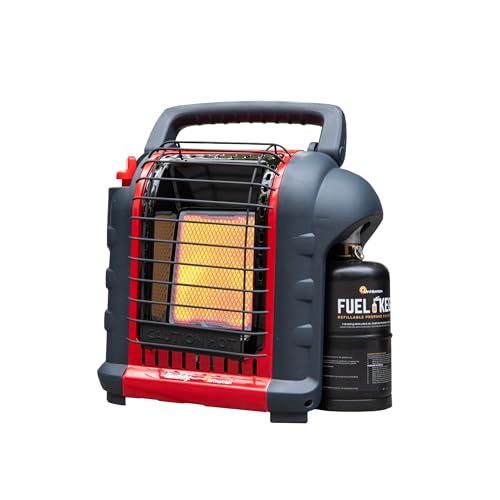
The Portable Buddy provides radiant heat with selectable 4,000 or 9,000 BTU options, suitable for indoor and outdoor use. It heats up to roughly 225 square feet and includes a built-in low-oxygen safety shutoff. Best for smaller RVs or as a secondary heater for chilly nights. A limitation is its portability, which can appeal to campers who move frequently but may require careful handling and ventilation checks in enclosed spaces.
Mr. Heater MH9BX Portable Radiant Propane Heater

The MH9BX offers 4,000 to 9,000 BTU in a compact, mass-appeal format. It’s designed for spaces up to 225 square feet and includes automatic shut-off features for safety. Best for RVs with moderate space needs and for outdoor use when temperatures drop. It’s important to monitor ventilation and fuel levels in enclosed areas to ensure adequate oxygen levels.
ProCom ML200TBA-B Blue Flame Heater

The ML200TBA-B uses blue flame technology to deliver 20,000 BTU and heats up to about 950 square feet. It includes thermostat control with High/Medium/Low settings for a more precise comfort level. Best for larger RV floorplans or when rapid warming is needed. A caveat is the higher output, which may be unnecessary in compact spaces and could raise fuel consumption if left on for extended periods.
Buying Guide
Key considerations to choose the right RV propane heater with thermostat:
- Room size and heat needs: Match BTU output to the space you plan to heat. Larger RVs benefit from higher BTUs, while smaller spaces do fine with 10,000 BTU or less.
- Thermostat features: Look for adjustable temperature ranges, manual vs. digital displays, and safety shut-offs. Thermostats help maintain a steady comfort level with less manual adjustment.
- Ventilation and safety: Ensure proper ventilation; many RV installations require CO and propane safety awareness. Auto shut-off features improve safety in case of tip-over or low oxygen.
- Installation and portability: Decide between wall-mountable units, freestanding models, or portable heaters. Consider space clearance, mounting hardware, and ease of relocation.
- Fuel efficiency and running costs: Higher BTU heaters can warm space faster but may consume more propane. Choose a model with controllable settings to optimize efficiency.
- Maintenance and durability: Look for corrosion-resistant components and simple maintenance routines. Rugged construction helps in mobile environments.
Frequently Asked Questions
- What size RV heater do I need? Answer: Choose BTU ratings based on your RV’s square footage and ceiling height. For 200–400 sq ft, 9,000–12,000 BTU is common; larger spaces may need 18,000 BTU or more.
- Are RV propane heaters safe indoors? Answer: Yes when used with proper ventilation and safety features, including oxygen depletion sensors and automatic shut-offs.
- Can I run these heaters on a generator? Answer: Yes, but ensure the generator can supply stable fuel and electrical needs where applicable; many propane heaters don’t require electrical power for operation.
- Do propane heaters require venting in RVs? Answer: Venting requirements vary by model. Vent-free units are designed for indoor use, but always follow manufacturer guidelines and local regulations.
- How do I choose between wall-mount and portable options? Answer: Wall-mounts save floor space and are ideal for permanent setups; portables offer flexibility for seasonal use and different spaces.
- What safety features should I look for? Answer: Auto shut-off if tipped, low oxygen detection, cool-touch surfaces, and clear instructions for safe operation within enclosed spaces.