Ready for reliable hot showers and efficient water heating on your RV adventures? This guide highlights five top RV tank water heaters that balance durability, versatility, and ease of use. Each option is suited for different camping styles—from weekend trips to full-time RV life. Whether you prioritize built-in corrosion protection, dual heating modes, or compact fits, there’s a choice here to match your needs. The table below summarizes key features for quick comparison.
| Product | Tank Size | Fuel Options | Best For |
|---|---|---|---|
| Suburban Advantage SW6D | 6 gal | DSI, Optional Electric | Compact, reliable RV use |
| Suburban Advantage SW6DE | 6 gal | DSI, Incoloy Electric | Versatile power at campsites |
| Suburban Advantage SW10DE | 10 gal | DSI, Incoloy Electric | Higher hot water capacity |
| KINGRVER 6 Gallon Hybrid | 6 gal | Gas & Electric | Fast recovery, flexible modes |
| Dometic WH-6GEA | 6 gal | Gas & Electric (12V) | Quick heating, low maintenance |
Suburban Advantage SW6D — 6 Gallon, Porcelain Tank, DSI
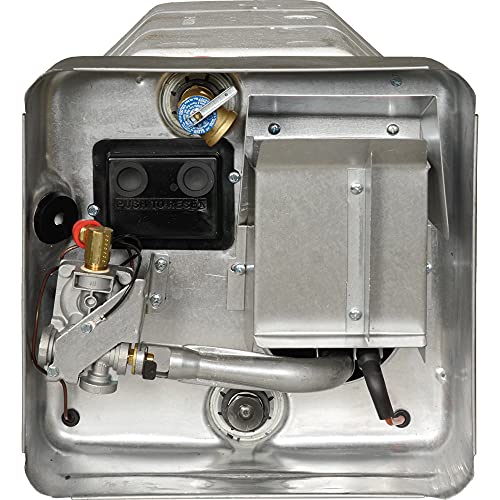
The Suburban SW6D uses a porcelain-lined steel tank for durability, mirroring residential tank life. It includes direct spark ignition (DSI) and offers an optional electric element for campsite or generator power. Best for RV owners who want a compact model with reliable, long-term performance and straightforward maintenance.
- Best for: RV travelers needing a compact heater with dependable hot water.
- Why selected: Durable porcelain-lined tank plus anode-protected corrosion resistance.
Limitations: The electric option is optional, so in some setups you might rely entirely on gas from the DSI system. Maintenance benefits from the replaceable anode rod, which doubles as a drain.
Suburban SW6DE — 6 Gallon, DSI With Incoloy Electric Element
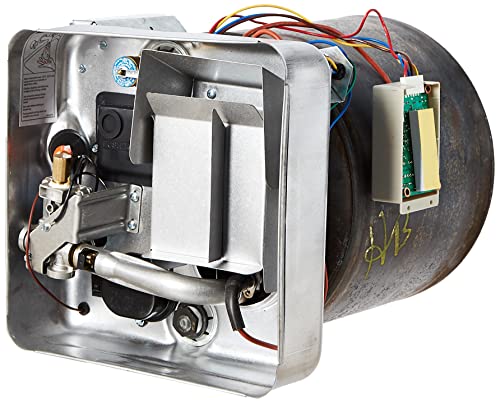
This model matches the 6-gallon capacity with DSI and adds an Incoloy electric element, providing flexible power options for varying campsites. The porcelain-lined steel tank and replaceable anode rod continue to offer corrosion protection and easier maintenance. It’s a solid pick for mixed power environments.
- Best for: Campers who alternate between generator power and onboard gas.
- Why selected: Similar durability to SW6D with enhanced electrical heating capability.
Caution: Availability of electric power may affect performance in off-grid conditions if electrical input is not accessible.
Suburban SW10DE — 10 Gallon DSI, Incoloy Electric

The 10-gallon option increases hot water capacity for larger households or longer showers. It uses a porcelain-lined steel tank with DSI and an Incoloy electric element, giving robust corrosion protection and flexible heating modes. Best for families or extended trips where higher hot water volume is beneficial.
- Best for: RVs with higher hot water demand.
- Why selected: Larger tank reduces the frequency of re-heating, supporting longer showers.
Limitation: Slightly larger footprint; verify space in the RV cabinet before choosing.
KINGRVER 6 Gallon Hybrid — Electric & Gas Heating

The KINGRVER model offers dual-fuel (gas and electric) heating, designed for most 4–6 gallon RV cutouts. It supports gas ignition and electric heating modes, with a quick installation guide and 24/7 tech support. This makes it a flexible choice for RVers who want faster hot water recovery and multi-power compatibility.
- Best for: RVers needing quick hot water recovery and dual-fuel operation.
- Why selected: Dual-fuel design enables faster heating and operation in varied power environments.
Caution: Installation requires checking cutout dimensions and space for gas line connections.
Dometic WH-6GEA — 6 Gallon Gas & Electric
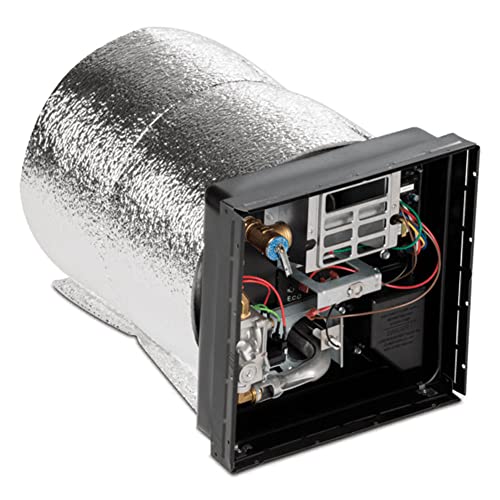
The Dometic WH-6GEA uses a 12-volt electric heating element alongside gas heating, offering quick, high-capacity warm-up and extended hot water. The aluminium tank minimizes maintenance needs, as it does not require an anode rod. Best for RVs that demand rapid heating with low ongoing maintenance requirements.
- Best for: RV owners who want fast heating and simple maintenance.
- Why selected: Quick heating with a low-maintenance aluminium design.
Limitation: Gas and electrical options may require careful installation and ventilation planning in some RV configurations.
Buying Guide: Choosing The Right RV Tank Water Heater
What should you consider when selecting an RV tank heater? Start with capacity, fuel source, and installation space.
- Capacity needs: If you shower multiple people or have a larger RV, choose 10 gallons or more. For solo travelers or small rigs, 6 gallons is often sufficient.
- Fuel source: Evaluate available power at campsites. Dual-fuel options (gas and electric) provide flexibility but require proper hookups and venting considerations.
- Durability: Porcelain-lined steel tanks offer long life and corrosion protection; aluminium tanks reduce maintenance but can have different limits.
- Maintenance needs: Look for replaceable anode rods and easy access for draining and flushing to extend life.
- Space and compatibility: Confirm dimensions fit your RV’s cutout and cabinet space. Some models require extra depth for connections.
Frequently Asked Questions
- What size RV water heater do I need?
Answer: For small RVs or couples, 6 gallons is often adequate. For families or longer showers, 10 gallons or more increases convenience. - Can I operate an RV water heater with solar power?
Answer: Most units rely on AC power or liquid propane gas; some offer electric elements designed for generator use. Solar can power the electric element if adequate battery and inverter capacity exist. - How do I maintain an RV tank water heater?
Answer: Regularly inspect and replace the anode rod, drain and flush the tank to remove mineral buildup, and check connections for leaks. - Is a dual-fuel heater worth it?
Answer: Yes, if you frequently travel to sites with inconsistent power. Dual-fuel options offer heating flexibility and quicker recovery. - What installation space is required?
Answer: Check model dimensions, especially depth, to ensure fitment behind cabinets or in storage bays. Some require at least 3 inches of extra depth for piping.