When you need reliable on-demand hot water in an RV, a gas-powered unit is often the most practical option for off-grid trips and full-time RV living. This guide compares top gas-on-demand and gas/hybrid RV water heaters to help you pick the right fit for your family’s showers, dishes, and daily routines. The products featured are selected for compatibility with common RV cutouts, high-altitude performance, and user-friendly installation. Below is a quick buying table, followed by in-depth product sections and practical buying guidance.
Quick comparison table
| Product | Type | Best For | ||
|---|---|---|---|---|
| APUS RV Tankless Water Heater (Black Door) | Tankless, Propane | RV families needing continuous hot water | High BTU output, 3.9 GPM, high-altitude ready | Requires 12V DC power; installation space needed |
| Suburban Advantage SW6D | Tank Water Heater, 6 gal | Campsites with electric/generator options | Porcelain-lined tank, replaceable anode rod | Tank-based; slower recovery than tankless |
| ORBEK RV Tankless Water Heater | Tankless, Propane | High-altitude RV trips | 60,000 BTU, staged combustion, optional door panels | Cutout size must fit standard openings |
| KINGRVER 6 Gallon Hybrid | Hybrid (Gas + Electric) | Versatile, mixed power sources | Gas and electric modes for faster recovery | Installation depth and gas connection considerations |
| VEVOR RV Tankless Water Heater | Tankless, Propane | All-season use for families | Segmented combustion for year-round comfort | Requires compatible RV space and venting |
APUS RV Tankless Water Heater Black Door

Best for: RV families needing reliable on-demand hot water without storage limits. The APUS unit delivers 68,000 BTU and 3.9 GPM, suitable for long showers or multiple tasks in a row. It’s designed for high-altitude performance and is CSA certified for safety. The compact 14.96″ footprint fits many RV installations. Data indicates straightforward 12V DC power connection and standard NPT fittings, enabling easier retrofits in campers and travel trailers. It’s a strong choice when immediate hot water and space efficiency matter.
Why selected: High-demand performance, compact form, and altitude readiness align with common RV usage patterns. The on-demand design avoids wait times typical of storage heaters.
Caution: Ensure your RV’s space and electrical setup accommodate 12V DC power and venting requirements. High BTU output may demand appropriate propane supply and ventilation.
Suburban Advantage SW6D — 6 Gallon Tank Water Heater
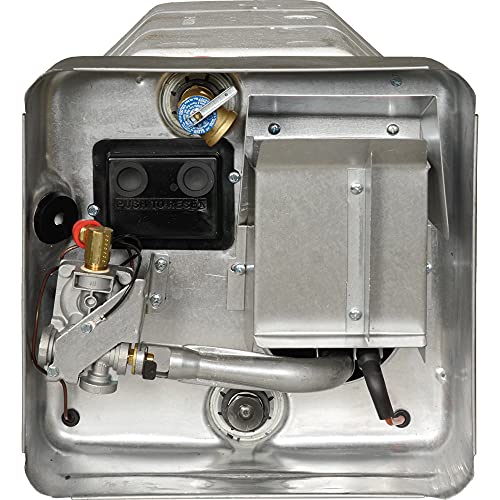
Best for: RV owners who want a durable, residential-style tank option with straightforward maintenance. The porcelain-lined steel tank mimics residential setups and features a replaceable anode rod for corrosion protection. An optional electric element adds versatility for electric-only campsites or generator power. This unit suits travelers who prioritize longevity and simple service over ultra-rapid hot water recovery.
Why selected: Durable construction and corrosion protection extend lifespan in rugged RV conditions. The ability to run on electric power provides off-grid flexibility when propane is limited.
Caution: Tank-based systems typically have slower recovery than tankless models; plan hot water use accordingly on high-demand days.
ORBEK RV Tankless Water Heater
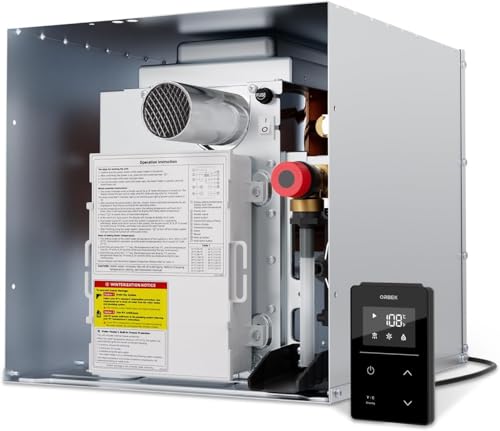
Best for: RV families that travel at higher altitudes and want continuous hot water with efficient propane use. ORBEK’s system features a 60,000 BTU burner and staged combustion to maintain stable temperatures. Optional RV door panels allow customization of appearance while maintaining compatibility with 15″ × 15″, 15″ × 18″, or 18″ × 18″ openings. It’s designed to reduce propane consumption while delivering constant hot water on demand.
Why selected: High-altitude compatibility and advanced combustion technologies support reliable performance in challenging environments. The system’s flexible installation options help with various RV layouts.
Caution: Confirm cutout size and venting compatibility before installation; high-altitude efficiency depends on proper setup.
KINGRVER 6 Gallon RV Hybrid Water Heater

Best for: RVers who want flexible heating options and faster hot water recovery. This unit supports gas and electric modes, or a hybrid approach, to adapt to power availability. It’s designed for 4–6 gallon cutouts and uses standard 1/2″ NPT connections with gas line recommendations for flexible hoses. The included quick installation guide and 24/7 support help with DIY installs and troubleshooting.
Why selected: The ability to switch between gas, electric, or hybrid modes provides resilience in varied campsites and power scenarios. It performs well for families seeking quicker recovery under higher demand.
Caution: Gas and electric coordination requires careful wiring and venting; verify cutout dimensions and available RV space before purchase.
VEVOR RV Tankless Water Heater
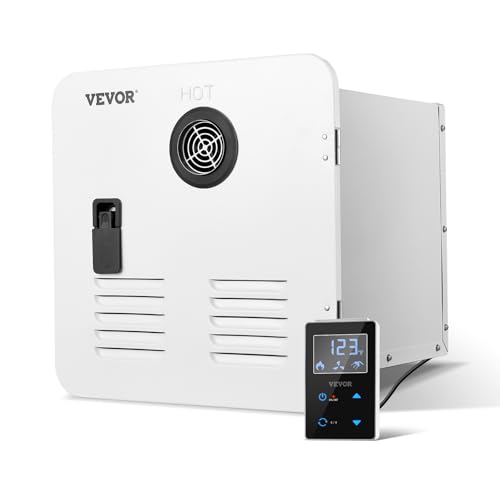
Best for: RV owners who want an all-season, on-demand hot water solution with convenient control. The VEVOR unit runs on propane and includes a segmented combustion design to adjust water temperature with seasonal changes, helping prevent overly hot water in summer and conserving energy in colder periods. An LED smart display aids temperature and power management.
Why selected: All-season operability and smart control support a comfortable, predictable hot water experience across varying weather conditions. The unit’s compact design makes it suitable for many RV installations.
Caution: As with other tankless options, ensuring proper venting and clearance is essential for safe operation and efficient performance.
Buying Guide: Gas RV Water Heaters
- Tankless vs. Tank: Tankless units provide endless hot water on demand and typically better space efficiency, but install complexity and venting requirements can be higher. Tank models may be simpler to install and maintain and are often preferred for steady, predictable hot water in static sites.
- Heat Source and Fuel Flexibility: Gas-only, electric-only, or gas-electric hybrid heating options affect performance, energy use, and deployment in off-grid settings. Hybrid models offer versatility when electrical power is available.
- Altitude Performance: For RVing in high elevations, choose models explicitly rated for high-altitude operation to avoid cold water and reduced flow.
- Installation Space: Check cutout dimensions, depth, and mounting orientation. Some units replace older 6/10/12-gallon storage heaters; others fit compact 14″–15″ footprints.
- Maintenance and Durability: Porcelain-lined tanks and replaceable anode rods enhance tank longevity. Tankless units emphasize durable heat exchangers and corrosion resistance.
- Power and Venting: Ensure your RV’s electrical system (12V DC for gas-on-demand controls) and venting requirements are compatible with the chosen model.
- Safety and Certification: Look for CSA/UL listings and safety features such as anti-dry combustion and flame-out protection to minimize risk on the road.
- Installation Support: Consider models with clear installation guides and responsive technical support for DIY RV projects.
FAQ
- What is the difference between tankless and tank RV water heaters? Tankless heaters provide continuous hot water on demand with typically faster recovery, while tanks store hot water and may require more space but can be simpler to install in some RV layouts.
- Are gas RV water heaters safe for high-altitude use? Yes, many models are rated for high-altitude operation, reducing cold-water issues and maintaining stable temperatures with proper venting and installation.
- Can I mix gas and electric heating in an RV water heater? Some models offer hybrid modes that combine gas and electric heating for quicker recovery and versatile power usage.
- What maintenance is required for a tank water heater in an RV? Regularly inspect the anode rod (for tank models), drain and flush the tank as recommended, and check connections for leaks and corrosion.
- Do these units fit standard RV cutouts? Most listed options are designed to fit common 4–6 gallon cutouts or standard 15″ × 15″ to 18″ openings; verify your RV’s exact cutout before purchase.
- Is CSA certification important for RV water heaters? CSA certification signals compliance with safety standards in North America and is a common requirement for RV hardware.