Choosing the right Sch 80 CPVC fittings depends on your system type, temperature and pressure needs, and installation style. This guide highlights five top ERA CPVC options ideal for industrial, plumbing, and chemical-resistance projects. Each product is best for different setups, from compact ball valves for flow control to unions for easy maintenance. Use the quick comparison table to narrow your pick based on connection type and size.
| Product | Size / Type | Best For | Key Benefit |
|---|---|---|---|
| ERA Sch 80 CPVC 2 Inch Compact Ball Valve | 2″ Ball Valve, Socket | Flow control in larger systems | Compact design with CPVC strength |
| ERA Sch 80 CPVC 2 Inch Union | 2″ Union, Socket | Maintenance-friendly runs | Easy disassembly and reassembly |
| (5 Pack) ERA Sch 80 CPVC 3/4 Inch Union | 3/4″ Union, Socket | Compact plumbing lines | Multiple units for multi-branch setups |
| (5 Pack) ERA Sch 80 CPVC 1/2 Inch Union | 1/2″ Union, Socket | Smaller branch lines | Cost-effective multi-pack |
| ERA Sch 80 CPVC 3/4 Inch Compact Ball Valve | 3/4″ Ball Valve, Socket | Small-diameter controls | Compact, easy to install |
ERA Sch 80 CPVC 2 Inch Compact Ball Valve, Socket
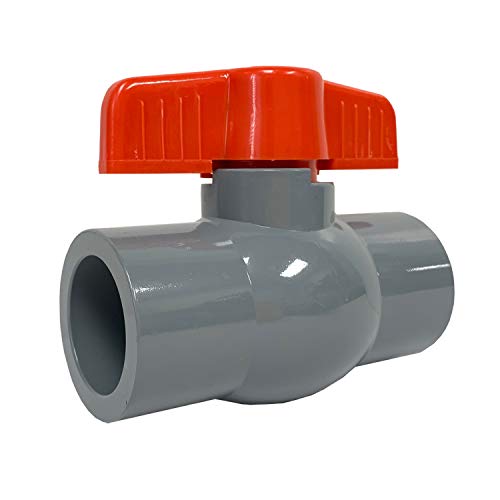
- Brand: ERA
- CPVC construction for chemical and corrosion resistance
- High strength with better heat and pressure resistance than PVC
- Connection: Socket; sizing: Schedule 80
Best for: Systems needing reliable flow control in higher-temperature, higher-pressure water or chemical lines. Choose this when a compact valve must fit tight spaces without sacrificing performance. Limitation: Socket joints require primer and cement for installation.
ERA Sch 80 CPVC 2 Inch Union, Socket

- Brand: ERA
- CPVC for chemical and corrosion resistance
- High strength; improved resistance to high temperatures and pressures
- Connection: Socket; sizing: Schedule 80
Best for: Maintenance-friendly runs where sections must be easily disconnected for repairs. Better if you need to service a portion of the line without draining the entire system. Caution: Ensure proper alignment during installation to avoid leakage at socket joints.
(5 Pack) ERA Sch 80 CPVC 3/4 Inch Union, Socket

- Brand: ERA
- CPVC for chemical and corrosion resistance
- High strength; better resistance to high temperatures and pressures than PVC
- Connection: Socket; sizing: Schedule 80
Best for: Branch lines on a moderate scale where multiple unions help with future maintenance. Choose this for flexible layouts in smaller projects. Limitation: Five-pack units may be more than needed for very small jobs.
ERA Schedule 80 CPVC 2 Inch Male Adapter, Socket x Male NPT

- Type: Schedule 80 CPVC Male Adapter
- Connection: Socket X MNPT
- Operating Temperature: 32-200°F
Best for: Converting socket ends to male NPT threads for threaded connections within CPVC systems. Better for projects requiring threaded joins in a CPVC network. Caution: Check thread compatibility and use CPVC primer and cement for joints.
ERA Sch 80 CPVC 1-1/2 Inch True Union Ball Valve, Socket Connection

- Brand: ERA
- True Union design enables easy removal of the valve body
- CPVC construction for chemical and corrosion resistance
- Operating temperature: 32°F to 200°F
Best for: Industrial and plumbing systems needing straightforward maintenance and quick valve service. Better for future-proofing maintenance plans; avoid if space is extremely limited where extra hardware might be problematic.
ERA Sch 80 CPVC 3 Inch Union, Socket
- Brand: ERA
- CPVC for chemical and corrosion resistance
- High strength; resistance to high temperatures and pressures
- Connection: Socket; sizing: Schedule 80
Best for: Larger diameter branch connections where ease of disassembly and reassembly is valuable. Choose this when your system requires frequent access to downstream sections. Limitation: Larger fittings may require more space during installation.
Buying Guide: Key Considerations For Sch 80 CPVC Fittings
- Material compatibility: CPVC offers chemical and corrosion resistance, suitable for aggressive fluids. Confirm fluid compatibility with your specific chemical or water application.
- Schedule 80 advantages: Thicker walls provide higher pressure and temperature tolerance than Schedule 40. Ideal for demanding plumbing and industrial networks.
- Connection type: Socket connections require primer and cement; threaded (MNPT) adapters require proper threading and sealants. Choose socket or union designs based on maintenance needs and space constraints.
- Valve and fitting type: Ball valves provide precise flow control and quick shutoff. Unions enable easy disassembly for maintenance. Assess whether you need flow control, easy servicing, or a combination.
- Size and layout: Match pipe size to fittings to avoid performance losses. Plan for future expansion when selecting multi-pack options like unions.
- Installation considerations: Use CPVC primer and cement as required for socket joints; ensure clean, dry surfaces and proper alignment to prevent leaks.
- Temperature and pressure range: Check the operating range (often 32°F to 200°F for CPVC products) to ensure compatibility with your system’s conditions.
FAQ
- What is Sch 80 CPVC best used for? – It’s ideal for higher-pressure and higher-temperature applications with chemical resistance, such as industrial and chemical plant piping.
- Do CPVC fittings require special cement? – Yes, socket CPVC joints typically use a CPVC primer and cement to form a strong bond.
- Are unions better than regular fittings for maintenance? – Unions allow easier disassembly and maintenance without dismantling entire runs.
- Can I mix CPVC with PVC? – CPVC and PVC have different chemical compositions; it’s best to use CPVC fittings with CPVC piping to maintain performance and avoid leaks.
- How do I choose valve size? – Match valve size to the pipe size to ensure proper flow and pressure characteristics for your system.
- Is True Union worth it for all systems? – True Union valves are especially helpful in systems requiring regular maintenance or replacements without full system shutdown.