When selecting a secondary condensate drain pan for HVAC systems, the right choice depends on your application, space, and durability needs. This guide highlights five top options, explaining who they’re best for and why they were selected. Ideal buyers include homeowners replacing drip pans, installers needing corrosion resistance, and facility managers seeking robust leak protection. A quick comparison table follows to aid faster decisions.
| Product | Size / Dimensions | Material | Best For |
|---|---|---|---|
| DiversiTech 6-2748L | 27″ x 48″ | Plastic (ABS) | Spacious, leak-proof containment for compact to mid-size setups |
| DiversiTech 6-2626L | 26″ x 26″ | Plastic (ABS) | Small to medium air handlers or closet installations |
| F and L Aluminum Parts – 24” x 24” x 2″ | 24″ x 24″ x 2″ | Galvanized steel (powder-coated options vary) | Versatile, mid-size systems with hole options |
| Diversitech 6-2763L | 27″ x 63″ | ABS plastic | Longer pans for wider condensate collection needs |
| F and L Aluminum Parts – 26” x 54” x 2″ | 26″ x 54″ | Galvanized steel | Large-scale installations with substantial condensate flow |
The following sections present five carefully chosen products. Each entry explains who benefits most, why it was selected, notable limitations, and practical guidance for selection.
DiversiTech 6-2748L: 27″ x 48″ Plastic Drain Pan

Material: ABS plastic with rolled edges and a ribbed bottom. The pan is seamless to reduce leakage risks and corrosion over long-term use. Size and flexibility make it suitable for mid-size air handlers and evaporator coil condensate collection.
Best for: Home HVAC systems that require high durability and a seam-free design to minimize leaks. This pan is particularly well-suited for installations where space is adequate and a large containment area is preferred.
Why selected: ABS plastic provides rigidity, non-toxic properties, and resistance to rust, making it a reliable long-term choice for typical residential setups.
Caution: Plastic pans can warp under extreme heat or improper installation; ensure a proper mounting and support structure to maintain form over time.
DiversiTech 6-2626L: 26” x 26” Plastic Drain Pan
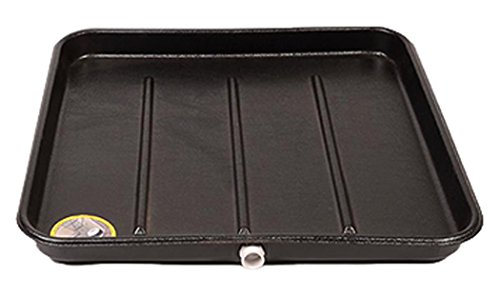
Material: ABS plastic with rolled edges and ribbed bottom for strength. This compact pan design emphasizes unobtrusive installation in tighter spaces while still providing robust condensate capture.
Best for: Small mechanical rooms or closet setups where space is limited but reliable drain containment is required.
Why selected: Its smaller footprint makes it easier to install in retrofit scenarios without sacrificing containment performance.
Caution: The smaller surface area might require more frequent trimming or leveling checks in high-flow conditions.
F and L Aluminum Parts – 24” x 24” x 2” Galvanized Steel Drain Pan
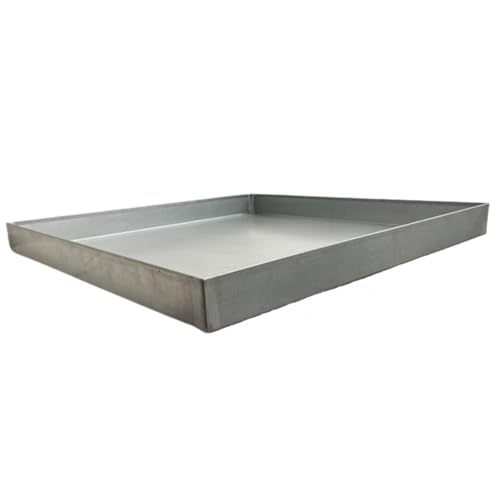
Material: Galvanized steel with options for pre-drilled holes. Size fits mid-range HVAC units and offers durable, rust-resistant construction when exposed to condensate and humidity.
Best for: Installations where a steel pan is preferred for its rigidity and long-term durability; ideal for basements, utility rooms, or areas with higher moisture exposure.
Why selected: Versatile sizing and hole-option customizability make it a flexible choice for varying installation requirements.
Caution: Steel pans may require corrosion protection in highly corrosive environments; confirm metal treatment for your locale.
Diversitech 6-2763L: 27″ x 63″ Plastic Drain Pan

Material: ABS plastic. Features a long profile to collect condensate from wider or multi-branch evaporator assemblies, reducing overflow risk in larger HVAC layouts.
Best for: Larger residential or light commercial systems where condensate production is spread across a wider area.
Why selected: The extended length helps prevent overflow in installations with lengthy coil runs or multiple drip points.
Caution: Ensure mounting support across the full length to avoid sagging under heavy condensate loads.
F and L Aluminum Parts – 26” x 54” Galvanized Steel Drain Pan

Material: Galvanized steel with large footprint for substantial condensate capture. Size accommodates bigger HVAC systems and service areas requiring ample drainage capacity.
Best for: Large installations or retrofit projects where a high-capacity containment pan is needed to prevent spills.
Why selected: Offers robust durability and a broad containment area, aiding in leak prevention for high-flow scenarios.
Caution: Larger pans require secure mounting and adequate clearance for maintenance access and drainage fittings.
Buying Guide: Key Considerations for Secondary Drain Pans
What material matters most? Plastic pans (ABS) are lightweight, corrosion-resistant, and easy to fabricate in different shapes. Galvanized steel provides rigid, long-lasting containment but may need protective coatings in aggressive environments. For large capacity, longer pans reduce overflow risk, while smaller pans fit cramped spaces.
How do you choose size? Match the pan to your coil and the expected condensate flow. Oversized pans can be harder to install in tight spaces; undersized pans risk frequent overflow. Consider the width, depth, and whether you need a hole option for pre-drilled drain connections.
What about durability and installation? Seamless designs minimize leakage pathways, while rolled edges improve edge safety. Ensure proper support and alignment with the drain outlet to avoid stress cracks or warping over time.
Installation notes: If using galvanized steel pans, verify corrosion resistance in your environment. For plastic pans, avoid exposure to solvents or high-heat surfaces near the coil area that could degrade the plastic over time.
Frequently Asked Questions
- What is a secondary HVAC drain pan? A secondary drain pan catches condensate that may bypass primary drainage, helping prevent water damage in the event of a failure or overflow.
- Which material lasts longer in a humid basement? Galvanized steel pans offer rigid protection and durability, but ABS plastic pans resist rust and corrosion, making both viable depending on exposure conditions.
- Do all pans come with pre-drilled holes? Not all do; some offer hole options to accommodate various drain fittings. Check product specs for compatibility with your discharge line.
- Is a larger pan always better? Larger pans reduce overflow risk but require more space and support. Choose based on condensate rate and available installation area.
- Can a secondary pan prevent all leaks? It reduces risk and damage but should be part of a comprehensive HVAC drainage plan with regular maintenance and proper primary drainage.
- How do I know which pan fits my unit? Compare the pan dimensions to your coil size and available clearance. Look for compatibility notes on mounting and drain outlet placement.