Looking for reliable sheet metal HVAC ductwork tools and materials? This guide highlights five top products that suit both DIY enthusiasts and professional contractors. Each item is chosen for durability, ease of use, and practicality in ductwork, roofing, and metal fabrication. The top picks cover a range of needs—from raw sheet metal to precise folding, crimping, and notching. Use this brief to decide what works best for your project, space, and skill level.
| Product | Best For |
|---|---|
| Metoro 24 Gauge G90 Sheet Metal | Rust-resistant base material for HVAC ducts and DIY fabrication |
| HURRICANE 5-Blade Crimper | Deep, uniform crimps for duct sections and gutters |
| HURRICANE 12 Inch Folding Tool | Precise bends for standard ductwork, plenums, and joist pans |
| SLNIHAMS 12 Inch Folding Tool | Accurate folds with dual depths for professional finishes |
| HURRICANE Sheet Metal V Notcher | Precise 30° notches for corners and fittings |
Metoro 24 Gauge G90 Sheet Metal

Best for budget-conscious installers and DIYers who need a durable, versatile base metal. The 24-gauge G90 coating offers strong corrosion resistance, suitable for HVAC ductwork, roofing, and small fabrication projects. It’s also workable for cutting, bending, welding, and drilling, making it a practical all-around sheet metal choice. Caution: handling sharp edges requires PPE and careful cutting to avoid injuries.
HURRICANE 5-Blade Sheet Metal Crimper
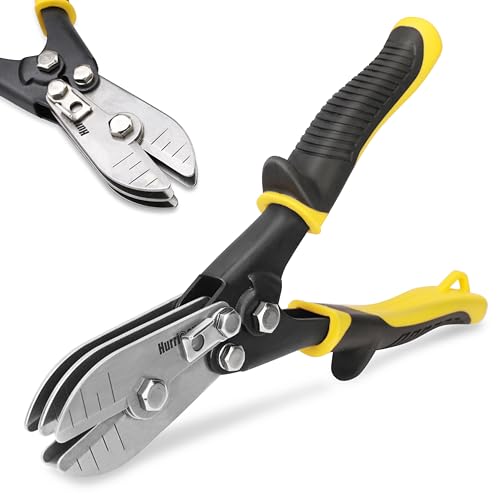
Best for contractors and serious DIYers who need deep, uniform crimps across ductwork, downspouts, and stove pipes. This tool uses five heat-treated carbon steel blades for consistent crimps and fits 22-28 gauge metal. It’s anti-rust coated and built to resist wear in heavy-duty use. Caution: performance depends on material thickness; avoid forcing through thicker sections than rated.
HURRICANE 12 Inch Folding Tool

Best for achieving precise, repeatable folds in duct seams and plenums. The tool is built from industrial-grade A3 steel, offering rigidity and a straight, clean edge for bending. It features two folding depths (3/8″ and 1″) to accommodate drive cleats, joist pans, and trunk line ends. Caution: heavier steel requires steady hands; consider additional clamping for long, straight folds.
SLNIHAMS Sheet Metal Bender

Best for professionals seeking precision and durability with dual-depth folding (3/8″ and 1″). The 12″ tool is constructed from rugged 16-gauge steel with powder coating and built-in sight holes for depth accuracy. It excels at forming clean seams, drive edges, pans, and hems for ductwork. Caution: ensure correct depth alignment to minimize rework on bends and joints.
HURRICANE Sheet Metal V Notcher

Best for precise corner notches and relief cuts in 24-gauge steel and 26-gauge stainless steel. The 30° V-notch is essential for professional-looking duct corners, roofing flashings, and gutter joints. It includes a safety lock to keep blades secure when not in use. Caution: cutting performance varies with material thickness and user grip strength; do not exceed capacity.
Buying Guide
What should you consider when choosing sheet metal HVAC ductwork tools and materials?
- Material compatibility: Match sheet metal gauges (22-30 GA common in HVAC) with tool capabilities (crimpers, notchers, benders).
- Tool purpose: Crimping tools are ideal for sealing joints; folding tools shape plenums and ducts; notchers prepare corners and relief cuts.
- Durability and build: Look for steel construction, rust resistance, and ergonomic handles for long jobs.
- Depth and tolerances: Dual-depth folding tools help achieve precise seams; sight holes aid accurate depth alignment.
- Safety features: Safety locks, anti-slip grips, and edge guards reduce risk during use.
Practical Buying Questions
- Which tool should I buy first for a basic HVAC project? Start with a folding tool and a crimper to handle most seams and bends.
- Do I need a V-notch cutter for ductwork? Not always, but it’s essential for precise corner reliefs on certain fittings.
- Is rust resistance important for duct materials? Yes, galvanized and coated metals offer longevity in humid environments.
- Should I invest in dual-depth folding tools? If you plan varied duct sizes, dual depths improve efficiency and precision.
Frequently Asked Questions
- What gauge is best for residential HVAC ductwork? Common gauges range from 22 to 28, depending on the specific application and local codes.
- Can I use these tools for roofing or gutters? Yes, several tools are versatile enough for roofing flashing and gutter work.
- Are sheet metal notchers necessary for all projects? They help with precise notches but may not be required for simple bends.
- How do folding depths affect a project? Deeper folds create stronger edges and can accommodate drive cleats and plenums.
- What safety gear should I wear? Eye protection, cut-resistant gloves, and long sleeves are recommended when cutting and bending.
These selections provide a practical, objective set of options for sheet metal HVAC ductwork. Use the buying guide to compare tools by purpose, metal gauge, and desired finish. The recommended products emphasize durability, precision, and ease of use to support pro-level results in both professional and home projects.