Answer: A single-room heat recovery ventilation (HRV) system provides fresh outdoor air while recovering heat from the exhaust, improving indoor air quality and comfort in smaller spaces. This guide highlights five top options ideal for bedrooms, home offices, or small apartments. Each product is evaluated for ease of installation, energy efficiency, filtration, and noise levels to help you choose the right unit for your space and climate.
Buyer snapshot: The top performers below are best for compact spaces where installing ductwork is difficult. If you want remote monitoring or Wi‑Fi control, the Pioneer ECOasis 150 and the Pioneer 50 offer smart features. For ultra-quiet operation, the TwinFresh Comfo RB1-50-2 and Micra 60 excel. The table summarizes key suitability at a glance.
| Product | Best For | Key Benefit | Max Airflow |
|---|---|---|---|
| Pioneer ECOasis 150 Ductless Wall-Mounted | Air-purification focused or larger single rooms | 8-speed fan with PM2.5/CO2 monitoring and 4-stage filtration | up to 40 CFM |
| Wi-Fi-Enabled Pioneer 50 Single-Room | Smart control with solid efficiency | 97% heat recovery, Wi‑Fi app | up to 35 CFM |
| VENTS-US TwinFresh Comfo RB1-50-2 | Quiet, standard-room retrofit | Up to 30 CFM, 88% heat recovery, 0.2 sones | 30 CFM |
| VENTS-US Micra 60 | Retrofits without ductwork | Low-profile, up to 79% heat recovery | Variable by setup |
Pioneer ECOasis 150 Ductless Wall-Mounted ERV
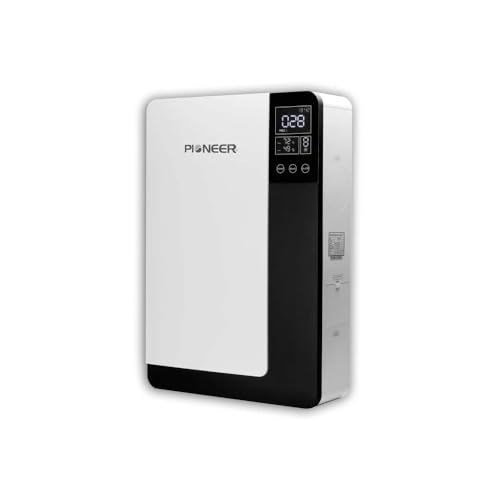
Best for: Medium-sized single rooms up to 500 sq ft that prioritize air purification and odor control.
- 4-stage filtration with OA/RA primary filter, PM2.5 filter, and Activated Charcoal HEPA H10.
- Built-in PM2.5 sensor and CO2 monitor with an 8-speed fan for automatic adjustment.
- 82% heat recovery efficiency and 35W power consumption for energy savings.
Why chosen: Combines strong air quality monitoring with purification and energy-efficient heat exchange, making it suitable for living spaces with allergy concerns or city pollution.
Caution: Higher upfront complexity due to smart controls; ensure compatible Wi‑Fi setup and electrical supply for optimal performance.
Pioneer 50 Single-Room ERV
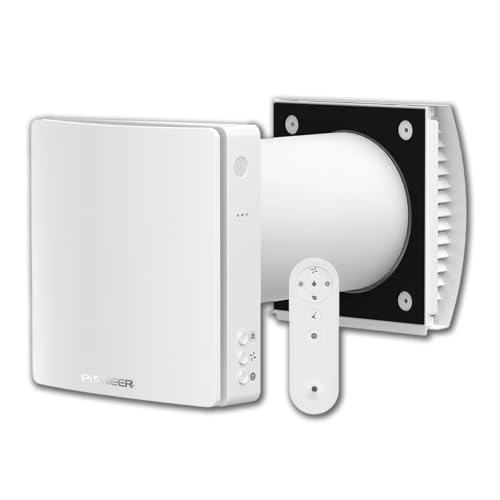
Best for: Quiet operation and Wi-Fi controlled ventilation in small spaces.
- Ultra-high efficiency with 97% heat recovery and low average power draw (8W).
- Wall-mounted design with adjustable air channel length to fit wall thicknesses.
- Up to 35 CFM treated airflow with washable prefilters and MERV13-like filtration (F7).
Why chosen: Combines robust heat recovery with modern connectivity and a compact footprint, ideal for tech-minded users seeking energy savings.
Caution: Requires a compatible wall space and may need professional installation for best results.
VENTS-US TwinFresh Comfo RB1-50-2

Best for: Rooms up to 500 sq ft needing steady, quiet fresh air with energy savings.
- Delivers up to 30 CFM of fresh, filtered air with up to 88% heat recovery.
- Compact through-the-wall installation for bedrooms, basements, and small offices.
- Quiet operation with a reversible DC motor and overheating protection.
Why chosen: A balance of energy efficiency and mid-range airflow makes it a reliable retrofit option in limited spaces.
Caution: Through-wall installation requires proper sealing to minimize drafts and heat loss.
VENTS-US Micra 60 Ductless HRV Kit
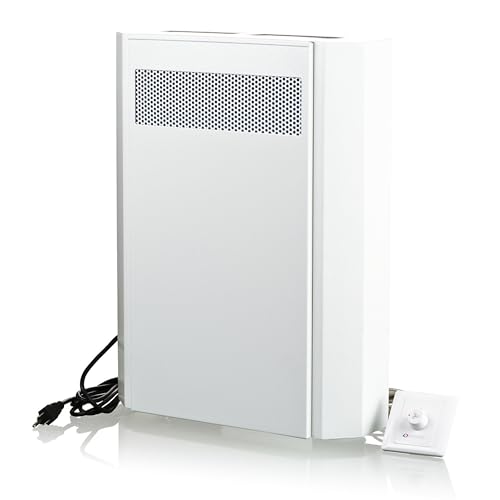
Best for: Retrofits in bedrooms, offices, and apartments without ductwork.
- Compact, wall-mounted design with no ductwork required for installation.
- Heat recovery feature to minimize energy loss while ventilating.
- Suitable for spaces where traditional HVAC or central ventilation is impractical.
Why chosen: Ideal for older buildings, basements, or small rooms lacking central ventilation.
Caution: Through-wall effectiveness depends on exterior exposure and sealing quality; check for proper mounting space.
Buying Guide
What size and airflow do you need? Match airflow (CFM) to room size. A small bedroom usually needs 15–25 CFM, while larger rooms or home offices may require 25–40 CFM. Consider whether you need continuous fresh air or intermittent boosts.
Do you want smart features? If remote control, scheduling, or integration with other smart devices matters, prioritize units with Wi‑Fi control and companion apps, like the Pioneer models.
What about filtration? Four-stage or high-MERV filtration helps reduce pollutants and odors. For urban environments, activated charcoal and PM2.5 filters offer meaningful benefits.
Noise and placement considerations? Look for low dB ratings for bedrooms or study spaces. Through-wall or ductless wall-mounted options can minimize noise transmission but may require careful sealing for efficiency.
Energy savings and climate considerations? Aim for higher heat recovery efficiency to reduce heating and cooling loads. In colder climes, robust heat exchange helps maintain comfort with less energy use.
Installation practicality? Ductless, through-the-wall, or compact wall-mounted units are easier to install in retrofits. Ensure wall space, exterior clearance, and electrical compatibility before purchase.
FAQ
What is a single-room HRV?
A single-room HRV exchanges indoor air with outdoor air while recovering heat from the outgoing air to temper the incoming air, improving efficiency in small spaces.
Do these units require ductwork?
Most listed options are ductless or require minimal ducting through the wall, making them suitable for retrofits and rooms without central ventilation.
Is Wi‑Fi control necessary?
Not necessary for basic operation, but it adds convenience for scheduling, monitoring air quality, and remote adjustments.
How much air should I expect in a small bedroom?
Typical targets range from 15 to 25 CFM, depending on room size, occupant activity, and pollution concerns.
Can these units be used year-round?
Yes, with heat recovery they help maintain comfort and reduce energy use in both winter and summer by tempering incoming air.