When selecting a compact pellet stove, prioritize models designed for small-to-medium spaces, reliability, and ease of use. This guide highlights five compact options that are relevant to the “smallest wood pellet stove” intent, covering both pellet and small wood-burning stoves to help you compare alternatives. The top picks are best for apartments, tiny homes, cabins, or rooms under 1200 sq ft where space efficiency matters. Below is a quick summary table of the featured products to help you decide quickly.
| Product | Best For | Key Benefit |
|---|---|---|
| Mr Hea ter Cleveland Iron Works Small Pellet Stove | Small homes, WiFi-savvy buyers | Smart Home Technology, large hopper |
| Canyon Lodge Small Pellet Stove | Compact space, traditional cast iron look | Wide square footage coverage, sturdy construction |
| Pddolw Indoor Wood-Burning Heating Stove | Rural settings, cooking and heating | Airtight design with versatile fuel use |
| SofaHills Indoor Wood-Burning Heating Stove | Cabins and small living areas | Ash box design for cleanliness and safety |
| Ohuhu Camping Stove Wood Burning Stove | Travelers and outdoor enthusiasts | Ultra-light, portable with multiple fuel options |
Mr Heater Cleveland Iron Works Small Pellet Stove – 24lb Hopper

The Mr Heater Cleveland Iron Works model is a compact pellet stove designed to heat 800 to 1200 sq ft. It features a 24 lb hopper, reducing the frequency of refills. Best for buyers who want convenient, modern controls and a sizable fuel capacity in a small footprint. The built-in WiFi enables smart-home integration, making it suitable for tech-forward homes or apartments that prioritize remote monitoring. A potential limitation is that performance depends on pellet quality and consistent feed; verify your local pellet options fit the hopper capacity for steady heat.
Canyon Lodge Small Pellet Stove

The Canyon Lodge pellet stove is engineered for 800–1,200 sq ft and includes a 24-lb hopper. Its cast iron fire pot enhances heat retention, supporting longer burn times with even heat distribution. Best for buyers seeking a traditional look with solid heat output in compact spaces. A caution: ensure the installation space has proper venting and clearance per local codes to maintain safety and performance.
Pddolw Indoor Wood-Burning Heating Stove

This stove emphasizes exceptional heat output and efficiency with a fully welded airtight design that maximizes heat retention. It is versatile for indoor heating and can double as a cooking solution in rugged or rural settings. Best for buyers seeking a robust metal stove that can accommodate various natural fuels in addition to wood. Limitation: its performance relies on fuels with proper moisture content; poorly seasoned wood may reduce efficiency and increase creosote buildup if not managed carefully.
Indoor Wood-Burning Heating Stove, SofaHills
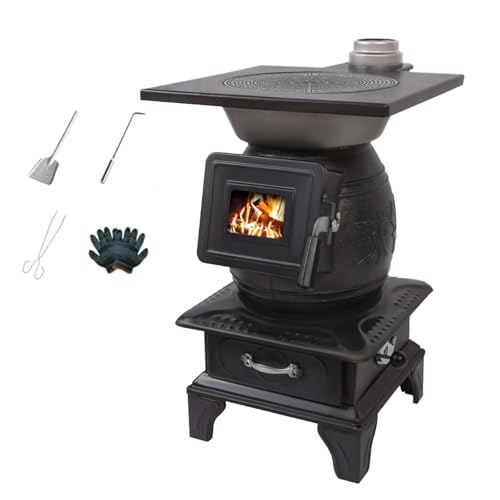
The SofaHills small cast iron stove is designed for cabin heating and small homes. It includes a window for monitoring the fire and an ash rake for easier cleaning. Best for buyers who want reliable warmth and a compact form factor with easy maintenance. Caution: ensure adequate clearance around the unit and proper venting to prevent overheating nearby materials and ensure safe operation.
Ohuhu Camping Stove – Wood Burning Stove
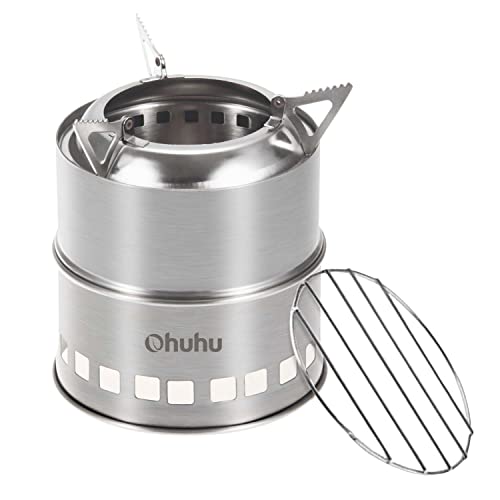
The Ohuhu camping stove is ultra-portable, weighing under 1 kg, and designed for quick setup during outdoor trips. It supports multiple fuel types, including wood, and includes a grill grid for versatile cooking. Best for travelers and campers who need a lightweight solution. Limitation: it is designed for short-duration use; longer home heating may require a larger, purpose-built stove for efficiency and capacity.
Buying Guide
Key considerations when choosing a small pellet or compact wood-burning stove include space and heat needs, fuel type and availability, venting requirements, and maintenance requirements. Consider these practical questions to tailor your choice:
- How large is the space you need to heat, and what is the target temperature range?
- Do you prefer pellet fuel with easy automation or wood-burning for traditional heating and cooking capabilities?
- Is WiFi or smart control a priority for monitoring and scheduling heat?
- What are the installation clearances, venting options, and local codes in your area?
- What is the maintenance burden, such as ash handling, cleaning, and regular service?
- Is portability a factor for seasonal use or travel, especially for outdoor models?
Fuel and Efficiency Considerations
Pellet stoves typically offer steady heat with automated feeding, which can improve comfort and reduce manual input. Wood stoves rely on seasoned wood and may require more frequent tending. Look for airtight designs, insulated fireboxes, and efficient exhaust systems to maximize heat retention and minimize emissions.
Safety and Installation Factors
Choose models with compliance to local safety standards and proper clearances. Confirm venting type (direct vent, chimney, or outdoor vent) and ensure火 load capacity aligns with your space. For cabins or tiny homes, prioritize compact footprint and clean-burning performance to fit limited spaces.
Maintenance and Longevity
Consider hopper size for pellet models to minimize refills. For wood stoves, evaluate ash management features and accessibility for regular cleaning. Durable construction, ease of servicing, and availability of replacement parts influence long-term reliability.
FAQ
- Q: What is the best small pellet stove for apartments?
- A: A compact pellet stove with remote monitoring and a 24 lb hopper is well-suited for apartments that require steady heat with minimal refills.
- Q: Do pellet stoves require much maintenance?
- A: They require periodic cleaning of the burn pot and hopper area, and routine chimney or vent maintenance to prevent creosote buildup.
- Q: Can I use wood in pellet stoves?
- A: No; pellet stoves are designed for pellet fuel, while wood stoves burn firewood. Do not substitute fuels unless the manufacturer specifies compatibility.
- Q: Are small stoves safe for small spaces?
- A: Yes, when installed with proper ventilation, clearance, and safety features, they can safely heat compact areas.
- Q: Is heating efficiency a concern with outdoor stoves?
- A: Outdoor or camping stoves prioritize portability and lightness, but may not provide consistent indoor heating efficiency for living spaces.