When shopping for a smart baseboard heater thermostat, the best options balance ease of installation, reliable WiFi control, and practical energy savings. This guide highlights five top picks suitable for high-voltage baseboard and other electric heating systems. It targets buyers seeking voice integration, remote control, and scheduling to cut energy use without sacrificing comfort. The top choices below are best for different needs: DIY installers, smart-home enthusiasts, and those wanting robust geofencing or floor-sensing features. A quick buyer table summarizes the selections for fast comparison.
| Product | Best For | Key Benefit |
|---|---|---|
| Mysa LITE | Smart-home beginners | WiFi control with 7-day scheduling |
| meross Matter Smart Thermostat | Versatile ecosystem users | Matter compatibility with multiple platforms |
| Mysa 240V Baseboard Thermostat | Remote control enthusiasts | 100% free app, multiple rooms |
| meross 120–240V High-Voltage Thermostat | Voice-first homes | 4-wire install, strong voice integration |
| ecobee Smart Thermostat Essential | Energy savings seekers | Energy-saving features with broad compatibility |
Mysa Smart Thermostat LITE for Electric Baseboard Heaters
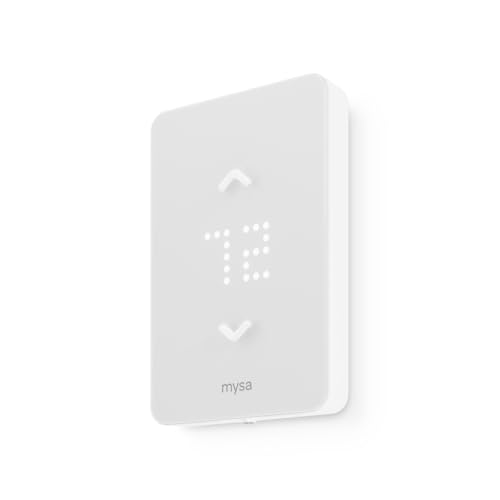
The Mysa LITE is a WiFi-enabled thermostat designed for high-voltage baseboard heating. It supports scheduling, remote control, and voice integration with HomeKit, Alexa, and Google. This model emphasizes energy-conscious scheduling, making it suitable for households looking to reduce monthly electric bills without giving up comfort.
Best for: Homeowners who want straightforward WiFi control and reliable scheduling across several rooms. The Mysa LITE can help cut heating costs by automating temperature shifts when away or during commute hours. A potential limitation is compatibility with older or two-wire baseboard wiring, so verify wiring and neutral requirements before installation.
Meross Matter Smart Thermostat for Electric Baseboard Heaters
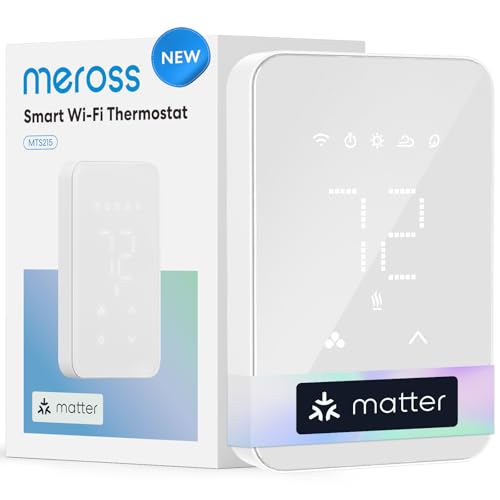
The Meross Matter thermostat supports high-voltage 120–240 VAC heaters and offers compatibility with Alexa, Apple HomeKit, Google Home, and SmartThings. With Matter connectivity, it’s designed for buyers who want a single device to work across multiple ecosystems. The 24/7 scheduling feature helps reduce energy use by automating comfort settings based on time or presence.
Best for: Buyers who want broad platform compatibility without vendor lock-in. Not compatible with low-voltage systems or non-electric HVAC setups, so ensure your wiring matches 120–240V baseboard heating requirements.
Mysa Smart Thermostat for Electric Baseboard Heaters 240V

This Mysa model targets 240V baseboard systems with remote access via a free app. It also offers alert features for temperature and humidity and supports HomeKit, Alexa, and Google Assistant. The setup emphasizes flexibility and precise control across zones or rooms, ideal for multi-zone heating strategies.
Best for: Homes with 240V baseboard circuits that want a robust remote app and multiple voice integrations. Limitation: The device requires four wires with a neutral or second live wire, so verify wiring before purchase.
Meross Smart Thermostat for Electric Baseboard and In-Wall Heaters

This Meross thermostat is designed for high-voltage systems and supports 120–240V installations. It requires a 4-wire setup and works with HomeKit, Alexa, Google, and SmartThings. It’s suitable for households wanting a single control point across several smart platforms and the ability to integrate with existing voice ecosystems.
Best for: Users who want strong compatibility and straightforward installation for high-voltage baseboard or in-wall heaters. Caution: The installation may demand a compatible four-wire electrical box and proper wire routing to fit your configuration.
ecobee Smart Thermostat Essential

The ecobee Essential is an Energy Star-certified smart thermostat designed to optimize heating and cooling costs by following set schedules. It offers broad system compatibility and software updates to keep features current. The color touchscreen and mobile app provide intuitive control for daily energy management.
Best for: Energy-conscious buyers who want a widely compatible thermostat with ongoing software improvements. Limitation: It is a general-purpose thermostat and may not be as specialized for single-room baseboard control in every configuration as models built specifically for baseboard systems.
Buying Guide: Smart Baseboard Thermostat Essentials
- Wiring and compatibility: High-voltage (120–240V) baseboard heaters require four-wire (including a neutral or second live) connections. Verify your existing wiring before purchase to ensure proper operation.
- Platform compatibility: If you use HomeKit, Alexa, Google, or SmartThings, choose a thermostat that supports your preferred ecosystems (Matter support can simplify cross-platform use).
- Energy savings features: Look for scheduling, geofencing, remote control, and energy reports. These features help tailor heating to your daily routine and reduce waste when rooms are unused.
- Installation considerations: Some units include floor or environmental sensors, while others rely on ambient temperature sensing. In-floor or zone-specific setups may benefit from additional sensors.
- Limitations and caveats: Not all models work with low-voltage or two-wire baseboard systems. Confirm compatibility with your specific wiring and heating type to avoid installation issues.
FAQs
- Do smart baseboard thermostats require a hub? Some models connect directly to WiFi, while others may use hubs or Matter-enabled ecosystems. Check the product specs to confirm.
- Can I control these thermostats remotely when I’m away? Yes. Most listed devices offer mobile apps and remote access via WiFi.
- Are these thermostats compatible with HomeKit and Google Assistant? Several options on this list support both, with some offering Matter compatibility for broader ecosystem use.
- Is installation difficult for a non-professional? Installation ranges from straightforward to requiring basic electrical wiring knowledge. If unsure, consult a licensed electrician, especially for high-voltage baseboard wiring.
- Will these thermostats save money? They can reduce energy use through scheduling and automation, though actual savings depend on your climate, insulation, and heating habits.
- Do they work with in-floor heating? Some models target in-floor heaters within their voltage range; always verify the exact system type supported by the thermostat.