Answering your search for reliable stop and waste ball valves: these five products are strong choices for residential water shutoff and drainage needs. They’re best suited for homeowners, plumbers, and property managers who want durable brass or lead-free options with easy drain features. This guide compares 5 top picks and explains who should choose each one, plus practical buying tips and a brief FAQ.
| Product | Size | Material | Drain Type |
|---|---|---|---|
| 3/4″ | Brass | Threaded Top Drain | |
| 1″ | Brass | Threaded Top Drain | |
| 3/4″ | Brass (Unknown Finish) | FIP Ends with Stop/Waste | |
| 3/4″ | Brass | Female Threaded IPS | |
| 3/4″ | Lead-Free Brass | Solder Ends |
AY McDonald 3/4″ 6005 Series Stop and Waste Valve
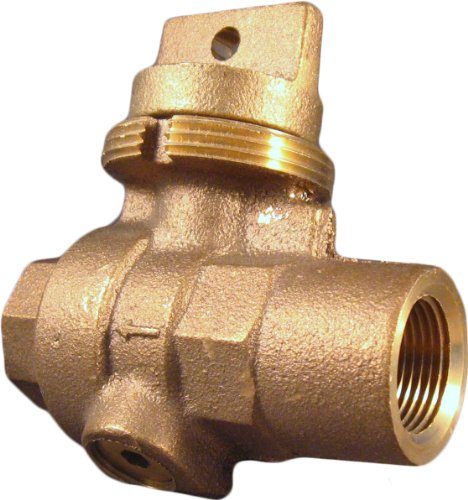
Size 3/4″ FNPT x FNPT; Brass construction; Minnesota Stop & Drain Ball Curb Valve. Best for residential shutoffs where space is tight and a threaded drain is preferred for servicing. Best for homeowners replacing an existing curb stop with a threaded drain feature to allow drainage of downstream water during service.
Who it’s best for: homeowners and on-site staff seeking a compact, durable brass valve with a threaded drain for simple maintenance. Why selected: widely compatible with standard FNPT fittings and robust brass construction for long-term use.
Limitation: threaded tops require compatible threaded connections; verify pipe thread standards before installation.
AY McDonald 1″ 6005 Series Stop and Waste Valve

Size 1″ with Threaded Top Drain; Brass construction; Stop & Drain Straight Ball Valve Curb Stop. Better for supply lines needing a larger stop with an integrated drain for efficient service work.
Who it’s best for: projects requiring a 1″ valve with a straightforward drain feature for easy depressurization during maintenance. Why selected: the 1″ size offers higher flow capacity compared to 3/4″ options.
Limitation: larger footprint may not suit tight spaces or narrow valve boxes; confirm space before purchasing.
3/4″FIP Stop/Waste Valve (B&K)

Country of origin: China; Model 105-104NL; sized at 10.0″ L x 6.0″ W x 7.0″ H in packaging. A compact option with standard FIP ends suitable for curb side service connections. Best for budget-conscious projects that still need a functional stop and drain.
Who it’s best for: budget-minded installers and DIYers replacing curb stop valves. Why selected: predictable FIP compatibility and accessible size for typical curb valve boxes.
Caution: ensure FIP threads match existing pipe threads to avoid leaks; verify packaging dimensions align with your installation cavity.
3/4 inch No Lead Cast Brass Stop And Waste Valve (Midline)

Lead-free cast brass construction; 3/4″ female threaded IPS connectors. Stop and waste valve with cast brass design for residential use, designed to connect to IPS pipes. Best for new installations requiring compliance with lead-free codes.
Who it’s best for: installers needing lead-free brass with IPS female threads for reliable, code-compliant installations. Why selected: combines lead-free requirements with durable casting for longer service life.
Limitation: ensure compatibility with IPS threading tools and pipe material; some setups may prefer solder or crimp alternatives.
American Valve G60S 3/4″ Lead Free Brass Sweat Stop & Waste

Lead-free brass with sweat-solder ends; designed for soldered copper connections. Best for permanent copper installations where soldering is standard in the system. Ideal for a neat, leak-resistant finish in finished walls or basements.
Who it’s best for: homeowners and plumbers performing copper-soldered pipe work. Why selected: sweat ends simplify integration into existing copper networks without compression fittings.
Limitation: requires soldering skills and tools; not ideal for DIYers avoiding torch work or for systems using non-solder connectors.
Buying Guide: Key Considerations For Stop And Waste Valves
- Purpose and location: Choose a valve with the correct ends (FNPT, FIP, female IPS, or sweat) that matches your piping and installation location, such as curb stops, basements, or exterior boxes.
- Material and code compliance: Lead-free brass is often preferred for residential water lines; verify local code requirements for lead content and material certifications.
- Drain type and accessibility: A threaded drain top provides convenient service, while a built-in drain in a stop and waste valve can simplify depressurizing a line during repairs.
- Size and flow capacity: Match the valve size to the pipe size to avoid pressure drops or flow restrictions; larger sizes offer more flow but may not fit compact spaces.
- Connection style: FNPT, FIP, IPS, or copper sweat ends affect installation tools and compatibility with existing piping. Consider future renovations when selecting ends.
- Durability and maintenance: Brass and lead-free alloys resist corrosion; ensure the valve has a reliable seal design to minimize leaks over time.
- Installation environment: Exterior valves must resist freeze-thaw conditions; interior installations benefit from compact designs and accessible drain ports.
Frequently Asked Questions
- What is a stop and waste valve used for? A stop and waste valve can shut off water flow and drain the downstream line for maintenance or repair work.
- Which material is best for residential use? Lead-free brass is common for code compliance and durability in home plumbing.
- Do I need a threaded or sweat connection? Choose based on your existing pipes: threaded for FPIP/IPS systems; sweat for copper piping and soldered joints.
- Can I install these valves myself? Simple installations can be DIY-friendly with the right tools; consult local codes and a professional if unsure.
- Are there valves with easier drainage? Yes, many models include threaded drain tops or built-in drains to simplify depressurization during servicing.
- What size should I choose? Match the pipe size to ensure proper flow and compatibility with fittings and boxes in your system.