Answer: If you’re upgrading a stove area, a 30-inch hood with ducted or ductless options is ideal for reducing smoke, odors, and grease. The top picks here suit condo living, small apartments, or homes with under-cabinet installation. They vary by installation method, noise level, and filtration. This guide helps you choose based on space, ease of installation, and maintenance needs. The table below highlights five strong choices and who they’re best for.
| Product | Best For | ||
|---|---|---|---|
| COMFEE’ CVU30W2AST | Small kitchens in condos | Ducted/Ductless | 2 filter options, low-noise 200 CFM |
| SNDOAS Range Hood 30″ | Space-saving layouts | Ducted/Ductless convertible | Slim 4.7″ profile, built-in LED |
| Tieasy Wall Mount 30″ | Energized cooking with high airflow | Ducted/Ductless configurable | 450 CFM, 3 speeds, LED lighting |
| FIREGAS 30″ Under Cabinet | Budget-friendly small kitchens | Ducted/Ductless configurable | 2-speed, low-noise operation |
| AMZCHEF 30″ Under Cabinet | High airflow for busy cooks | Under-cabinet, ducted or ductless | 750 CFM, LED lighting, remote control |
COMFEE’ CVU30W2AST Range Hood

The COMFEE’ CVU30W2AST provides a sturdy 200 CFM exhaust with two selectable speeds, balancing strong air removal with quiet operation. It offers both ducted and ductless installation using two filter options: a reusable aluminum mesh filter and an aluminum mesh plus activated carbon cotton filter. This flexibility makes it suitable for apartments and condos where ductwork may be limited. Best for buyers prioritizing filtration versatility and space efficiency. Caution: replacement filters are specific model numbers; verify compatibility before purchase.
SNDOAS Range Hood 30″ Under Cabinet
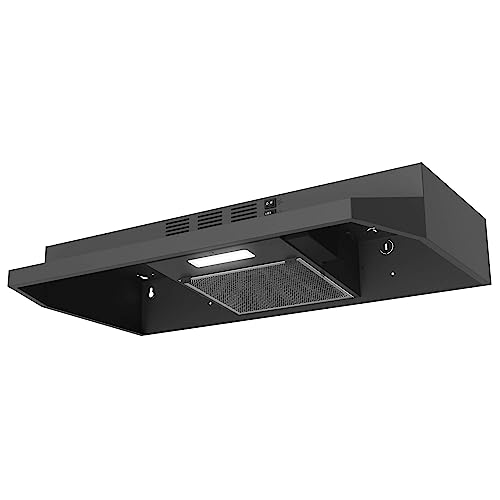
The SNDOAS hood emphasizes a slim 4.7-inch profile, making it ideal for tight spaces while still offering 29.9 inches of width for effective capture. It supports both ducted and ductless installations and includes a carbon filter option for ductless use. Best for spaces where depth matters and installation flexibility is key. Choose this if you need a low-profile silhouette and versatile mounting. Limitation: converting between ducted and ductless requires careful planning and may require additional components.
Tieasy Wall Mount 30″ Range Hood
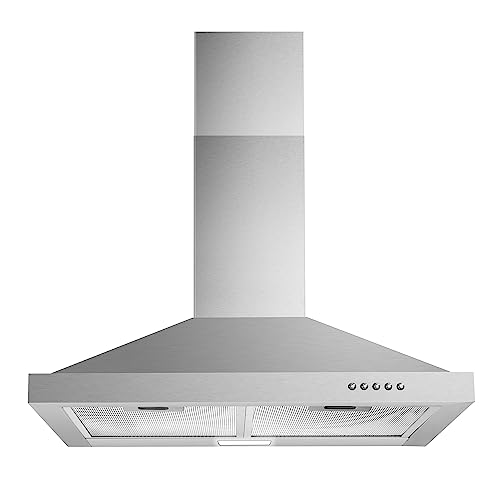
Tieasy’s 30-inch wall-mount chimney-style hood delivers up to 450 CFM with three speeds and energy-efficient LED lighting. It’s designed for both ducted and ductless setups, with an optional carbon filter kit for ductless use. Best for users who want higher airflow and a clear, tall chimney aesthetic. A potential limitation is the need for proper ceiling height adjustment, as chimney extensions may be required for tall spaces.
FIREGAS 30″ Under Cabinet Hood

FIREGAS offers a compact 30-inch under-cabinet solution with a two-speed exhaust and a durable steel body. The included aluminum filter helps trap grease efficiently, and the hood supports both ducted and ductless configurations. Best for budget-conscious buyers who still need dependable performance. Limitation: some users may prefer additional filtration options or higher CFM for very heavy cooking.
AMZCHEF 30″ Under Cabinet Range Hood

AMZCHEF’s 750 CFM hood is designed for busy cooks who need rapid air removal. It features LED lighting and a remote control for easy operation, along with three fan speeds and a 30-inch body that fits standard cabinetry. Best for kitchens with frequent high-heat cooking or larger volumes of smoke. Advantage: the high airflow is balanced with a remote for convenience. Caution: remote control operation requires setup and alignment with the hood’s control panel.
Buying Guide: Stove Hood Exhaust Vent Essentials
What installation method should I choose? If you can run ductwork to the outdoors, a ducted setup typically delivers better performance and lower recirculation odor. Ductless models rely on filters, which means more frequent filter changes. Consider your kitchen layout, ceiling height, and whether you rent. For small or condo kitchens, a slim profile helps maximize cabinet clearance.
Filtration and Air Quality
Most 30-inch hoods include aluminum filters, with some models offering activated carbon for odor control. Replacement filter availability and costs are a practical concern. A model with a 5-layer or dual-filter system can improve grease capture and odor removal, especially in kitchens with heavy cooking.
Airflow and Noise
CFM (cubic feet per minute) indicates how much air the hood moves. Higher CFM suits frequent frying, while lower CFM reduces noise. Hoods with noise ratings below 60 dB at high speed are generally quieter in open-plan spaces.
Controls and Convenience
Rocker, push-button, or touch controls affect ease of use. Some models offer remote control or LED lighting for better visibility while cooking. If you often multitask, consider a hood with intuitive controls and bright, energy-efficient lighting.
Appearance and Fit
Choose a finish (stainless steel, black, white) that matches your cabinetry. Slim or chimney-style designs can influence how the hood visually integrates with your kitchen. Ensure that the hood width aligns with your cabinet width for a balanced look.
Frequently Asked Questions
- What does CFM tell me about a stove hood? CFM indicates how much air the hood can move per minute. Higher CFM means stronger extraction but often more noise.
- Should I buy a ducted or ductless hood? Ducted hoods vent outdoors for better performance. Ductless hoods recirculate air through filters and may be easier to install in apartments.
- How often should I replace filters? Filter replacement depends on use, but many recommend every 3–6 months for carbon and every 6–12 months for aluminum filters in typical homes.
- Is 30 inches a standard size? Yes, 30 inches is a common width for under-cabinet and island hoods, designed to fit standard cabinetry.
- Can I install a hood by myself? Basic installation is possible for ducted or ductless hoods with standard measurements, but professional help is advised if ducting, electrical work, or ceiling fittings are required.
- What is better for small kitchens: slim design or traditional depth? A slim design saves cabinet space and suits tight layouts, while traditional depth may offer higher filtering surface; choose based on your space and airflow needs.