Answering the question “which thermostat is best for my air conditioner?” this guide compares top, consumer-friendly options designed for American homes. The list below highlights models for different needs: full programming, smart features, compatibility, and easy DIY installation. The top picks range from budget-friendly digital thermostats to advanced smart thermostats that work with Alexa, Google Assistant, or Apple devices. This helps buyers match a thermostat to their cooling system, daily routine, and energy goals.
| Product | Best For | Key Benefit |
|---|---|---|
| Honeywell Home RTH20B | Simple, reliable scheduling | 5-2 day scheduling with a large display |
| ecobee Smart Thermostat Essential | Energy savings with smart scheduling | Energy-saving up to 23% annually |
| Google Nest Thermostat | Energy savings with adaptive learning | Works without a C-wire in many homes |
| Honeywell Home RTH9585WF1004 | Color touchscreen control | 7-day programmable with energy programs |
| Amazon Smart Thermostat | Alexa-enabled control | Simple voice control and presence-based adjustments |
Honeywell Home Programmable Thermostat, RTH20B

The Honeywell RTH20B is a straightforward single-stage thermostat with 5-2 day programming. It supports 1 Heat/1 Cool setups and uses a large display for easy daily use. Best for: homeowners who want dependable, simple scheduling without smart features. Why selected: sturdy, familiar interface with clear font and a direct replacement path for older Honeywell models. Caution: does not include modern smart connectivity or voice control.
ecobee Smart Thermostat Essential

The ecobee Essential is a Wi-Fi thermostat designed for energy efficiency. It supports easy scheduling, energy-saving modes, and mobile control via the ecobee app. Best for: households seeking measurable energy savings and a robust color touchscreen. Why selected: ecobee promotes energy awareness and compatibility with many systems. Caution: requires compatibility check to ensure your HVAC system aligns with all features.
Google Nest Thermostat
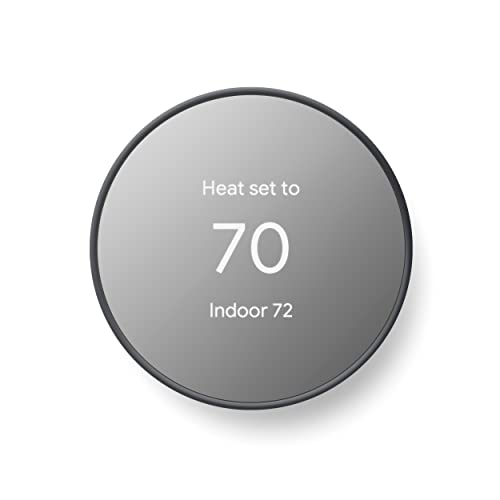
The Nest Thermostat is a Wi-Fi thermostat that learns routines to optimize cooling and energy use. Best for: homes wanting adaptive temperature control and compatibility with Google ecosystem. Why selected: designed to reduce energy use by turning down temps when no one is home and offering remote control. Caution: some systems may require a C-wire or compatible power accessory; not all features are available on every system.
Honeywell Home RTH9585WF1004 Wi-Fi Smart Color Thermostat
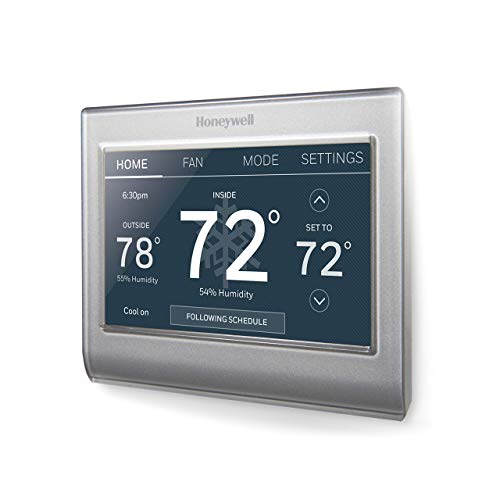
This color touchscreen thermostat offers a 7-day programmable schedule and energy-saving options. Best for: users who want a visually appealing interface with flexible programming. Why selected: energy rebates and demand-response program options may offer savings through utility programs. Caution: more features require understanding schedule settings to maximize efficiency.
Amazon Smart Thermostat

The Amazon Smart Thermostat is an Alexa-compatible option designed for easy voice control and simple presence-based adjustments. Best for: homes already using Alexa devices and seeking straightforward control. Why selected: seamless integration with Amazon services and potential rebates via energy programs. Caution: only select features when connected to compatible Alexa ecosystem; some advanced settings may require app navigation.
Buying Guide
What features matter most for an HVAC setup?
Key considerations include compatibility with your heating and cooling system, presence of a C-wire, and the level of programmability you want. Smart thermostats offer remote access, energy reports, and learning capabilities, while non-smart models prioritize simplicity and reliability.
Do I need a C-wire for a smart thermostat?
Many smart thermostats require a C-wire for continuous power. If your current wiring lacks a C-wire, models designed to work without one or with power adapters may be suitable, but compatibility checks are essential.
How important is compatibility with energy programs?
Energy programs and rebates can vary by utility. Some thermostats support demand-response programs that can lower bills during peak times. Check local utility options and whether the thermostat supports these programs.
What installation difficulty should I expect?
Most thermostats advertise DIY installation within 30 minutes, but wiring complexity varies. If you have multiple stages, heat pumps, or unusual wiring, consult the product’s compatibility guide or a professional installer.
How do I choose between a programmable vs. learning thermostat?
Programmable thermostats give you fixed schedules you set, whereas learning thermostats adjust automatically over time. If you prefer hands-off control, a learning thermostat can save energy; if you want strict schedules, a programmable model may be better.
Which brand balances reliability and smart features?
Brands like Honeywell, ecobee, Google Nest, and Amazon offer solid options across pricing and features. Choose based on system compatibility, preferred ecosystem (Alexa, Google, or Apple), and whether you value color touchscreens, energy programs, or simple interfaces.
What should I know about return policies and warranties?
Check the seller’s warranty terms and return windows before purchase. Some thermostats offer safety features like safety locks or child-proof modes that can be useful in households with kids or pets.
FAQ
- Do smart thermostats really save energy? Yes, especially when they learn patterns or are controlled remotely to reduce cooling when the home is empty.
- Can I install a thermostat myself? Most models are designed for DIY installation, but complex systems may require a professional.
- Will these work with existing air conditioners? Most modern thermostats support common single-stage and many multi-stage systems; always verify compatibility.
- Is a C-wire always required? Not always; several models work without a C-wire, but performance may vary.
- Do I need a hub for smart thermostats? Some rely on your home Wi-Fi and app, while others can use built-in smart assistants without a separate hub.
- Can I switch between thermostats easily? Yes, most models provide straightforward Wi-Fi setup and app-based control for quick changes.