Choosing the right thermostat for electric baseboard heaters can improve comfort, energy savings, and system longevity. This guide highlights five top options, from smart Wi‑Fi models to reliable manual controls, covering high‑voltage compatibility, wiring needs, and integration with popular ecosystems. Each product section includes a quick look at features and a direct link to Amazon for easy reference.
| Product | Voltage Range | Type | Key Benefit |
|---|---|---|---|
| Mysa Smart Thermostat LITE | 120V–240V | Smart Wi‑Fi | App control, HomeKit, Alexa, Google |
| meross Smart Thermostat for Electric Baseboard | 120V–240V | Smart Wi‑Fi | 4‑wire required, robust voice control |
| Mysa Smart Thermostat 240V (Baseboard Heaters) | 240V | Smart Wi‑Fi | Remote control, alerts, free app |
| MOES Programmable Smart Thermostat | 120V–240V | Smart Wi‑Fi | Remote control via app, energy saving |
| Honeywell CT410B Manual 4‑Wire | 120V–240V | Manual/Non‑programmable | Simple, reliable baseboard compatibility |
Mysa LITE: Smart Line‑Voltage Control
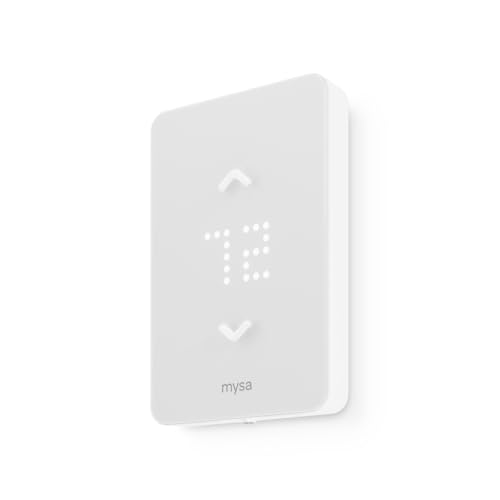
The Mysa LITE is designed for line‑voltage heating systems, compatible with 120V–240V electric baseboard heaters, fan‑forced heaters, and radiant units. It supports single‑pole operation and works with major smart ecosystems through Wi‑Fi control. The device emphasizes a free app with scheduling, energy reports, and smart integrations, with no subscription requirements. This model suits installations where a compact, modern thermostat with app control is desired while maintaining straightforward high‑voltage operation.
Honeywell CT410B Manual 4 Wire
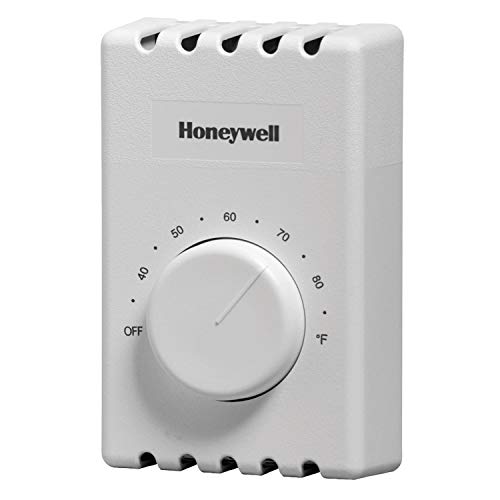
The Honeywell CT410B is a non‑programmable, line‑voltage thermostat intended for 120–240V electric baseboards, convectors, and non‑inductive fan‑forced heaters. It uses a simple bimetal sensor for reliable, maintenance‑free operation. This option is best for users who prefer a straightforward, manual temperature control without wireless connectivity or app features, while still accommodating single or double pole wiring depends on the model and installation.
Mysa 240V Thermostat For Baseboards

This Mysa model is tailored for 240V baseboard heaters, offering 100% free app access for remote control, alerts, and scheduling. It supports HomeKit, Alexa, and Google Home, enabling voice commands and automation routines. The device is designed for installations with four wires and a neutral, and it emphasizes a compact form factor with enhanced display features for better visibility in various lighting conditions.
meross Smart Thermostat for Electric Baseboard

The meross thermostat targets high‑voltage systems (120V–240V) and supports up to 16A (1920W at 120V, 3840W at 240V). It requires a four‑wire setup, including a neutral or a second live conductor, and works with Apple HomeKit, Alexa, Google Home, and SmartThings. The installation emphasizes a user‑friendly setup with voice capabilities and smart scheduling to optimize energy use in larger rooms or zones with baseboard heaters.
MOES Programmable Smart Thermostat

The MOES thermostat targets 120V–240V electric baseboard heaters with Wi‑Fi support via Smart Life/TUYA apps. It supports remote control, scheduling, and compatibility with Alexa and Google Home for voice operation. It highlights a clear display and four‑wire installation requirements, delivering a balance between smart features and practical high‑voltage control for reliable room comfort management.
Buying Guide: Key Purchase Considerations
- Voltage compatibility: Verify that the thermostat supports your baseboard system voltage (120V, 208V, 240V) and whether it’s compatible with single or double pole configurations.
- Wiring requirements: Many high‑voltage thermostats require four wires (two hots, a neutral or second live, and ground). Older two‑wire setups may not be compatible without upgrades.
- Programmability and control: Decide between manual, non‑programmable thermostats and smart models that offer scheduling, energy reports, and remote control via apps.
- Smart ecosystem integration: If you use HomeKit, Alexa, Google Assistant, or SmartThings, prioritize models with native support for your preferred platform.
- Load capacity: Check the thermostat’s current rating (amperage) and wattage limits to ensure it can safely handle your baseboard heater’s load.
- Installation complexity: Some models are easier to install, especially four‑wire setups with straightforward wiring, while others may require professional wiring or updating the electrical box.
- Reliability and support: Consider brands with widely available replacement parts, clear manuals, and responsive customer support for electrical installations.
- Data and privacy: For smart models, review data usage, cloud integration, and whether features operate with or without a subscription.
This selection emphasizes a balance of smart features, ease of use, and compatibility with common American home electrical configurations. Each option addresses common baseboard heating setups, helping homeowners choose between automated comfort, manual simplicity, and ecosystem integration.