Finding the right three way diverter valve helps you direct water where it’s needed, whether for showers or pool systems. This guide highlights five reliable options suited for different setups: residential showers, pool plumbing, and spa or filtration configurations. “Best for” highlights target buyers, such as DIY homeowners, pool owners, or those replacing aging diverters. The selections emphasize durable materials, straightforward installation, and clear flow control. Use the buying guide to compare features, compatibility, and practical trade-offs before purchasing.
| Product | Brand | Best For | Notes |
|---|---|---|---|
| Sneatup Solid Brass 3-Way G1/2 Shower Diverter Chrome Plating | Sneatup | Bathroom showers, residential DIY installation | Solid brass with chrome plating; good for long-lasting water pressure |
| Hayward PSV3S2 CPVC 3-Way Diverter Valve | Hayward | Pool/spa circulation and filter systems | Non-corrosive; up to 50 psi; dial handle for flow control |
| Pentair Diverter Valve, 2″ Spigot x 1-1/2″ Slip, 3 Way | Pentair | Pool plumbing retrofits and replacement projects | Two connection types; common in pool setups |
| Fibropool 1-1/2″ 3-Way Pool Diverter Valve – Slip Fit | FibroPool | Above-ground and inground pool installations | ABS housing; handles up to 150 psi; slip fit standard |
| FibroPool 3-Way Positive Seal & Non Lube Replacement Valve for Pools and Spas | FibroPool | Pool and spa diverter valve replacements | Posi-Close, lubeless PTFE seats; CPVC options available |
Sneatup Solid Brass 3-Way G1/2 Shower Diverter Chrome Plating
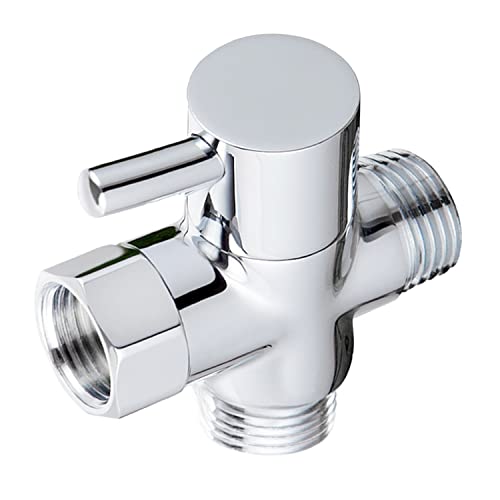
Best For: Bathroom shower installations where durability matters. This diverter uses solid brass with chrome plating, reducing the risk of cracking and corrosion. It features a G1/2 female inlet and two G1/2 male outlets for flexible valve routing. The washer sits in the inlet to help prevent leaks, and the design maintains water pressure with minimal loss. Choose this if you want a long-lasting, corrosion-resistant diverter for standard shower plumbing.
Why selected: Solid brass construction offers reliability in typical residential showers. The dual outlets provide straightforward routing between shower fixtures or a hand shower setup. Caution: Check compatibility with existing fixtures to ensure a proper seal and minimize leak risk if fittings differ from standard G1/2 sizes.
263028 Three Port Diverter Valve Compatible with 263028, 2 Inch PVC Pool Valve 3 Way
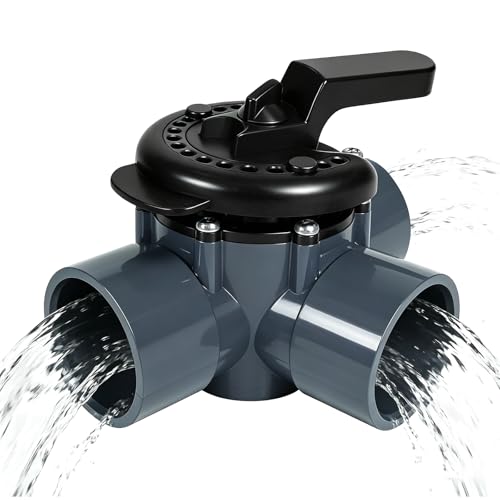
Best For: Pool owners seeking a direct replacement or upgrade for standard 2-inch pool valves. This 3-way diverter valve fits standard pool plumbing, making it a versatile option for pumps, filters, and water lines. It’s designed to reduce head pressure for efficient circulation. The fiberglass reinforced handle supports precise control for smoother operation. Use this if you want a robust pool valve that integrates with common 2-inch PVC systems.
Why selected: It aligns with typical pool components and can function as a reliable diverter or alternative to more specialized valves. Caution: As a pool valve, ensure it matches your exact inlet/outlet sizes and threading to avoid adapters or leaks.
Hayward PSV3S2 CPVC 3-Way Diverter Valve

Best For: Pool or spa systems needing flow control with easy visual indication. The PSV3S2 uses CPVC with non-corrosive properties and supports higher temperature exposure. It includes a dial handle for intuitive flow adjustment and a visual cue of the current setting. This is a good pick for users who want clear, repeatable valve positions and dependable sealing with Teflon seats.
Why selected: Non-corrosive material and straightforward dial control provide user-friendly operation in challenging pool environments. Caution: The valve is rated to a maximum about 50 psi; ensure your system operates within this range to avoid stress on seats and seals.
Pentair Diverter Valve, 2″ Spigot x 1-1/2″ Slip, 3 Way

Best For: Pool professionals and DIYers replacing older valves in established systems. It features a 2″ spigot and 1-1/2″ slip; this combination covers common pool plumbing configurations. The three-way design allows directing flow between lines, which is useful for multi-line pool setups or seasonal changes in circulation.
Why selected: Pentair is a well-known name in pool equipment, and the 3-way configuration fits many standard pool layouts. Caution: Verify exact inlet/outlet sizes in your system to avoid compatibility issues or require adapters.
FibroPool 1-1/2″ 3-Way Pool Diverter Valve – Slip Fit

Best For: Pool installations requiring a slip-fit connection with decent pressure tolerance. The three-way flow control helps direct water between lines, ideal for balancing circulation in both above-ground and inground configurations. The standard 1.5″ slip fit matches common PVC plumbing.
Why selected: Durable ABS housing and a design that tolerates outdoor pool conditions make it a solid, long-term choice. Caution: The valve is rated for typical outdoor use; verify chemical compatibility with your pool chemicals to prevent premature wear.
FibroPool Swimming Pool Diverter Valve – 1 1/2 Inch – 3 Way

Best For: Pools and spas where a lubeless, positive-seal valve is preferred. It uses CPVC construction for temperature resistance and features a Posi-Close mechanism. The 1-1/2″ slip ports simplify installation with standard pipes and fittings.
Why selected: Lubeless operation reduces maintenance needs, and CPVC provides resistance to chemical exposure and heat. Caution: Although serviceable, plan for occasional seal checks; the replacement seats are designed for straightforward maintenance rather than full disassembly.
Buying Guide: Key Purchase Considerations
- Application type: Choose a valve designed for showers or for pool/spa systems based on your primary use case.
- Connection sizes: Confirm inlet/outlet sizes (G1/2, 2″ spigot, 1-1/2″ slip, etc.) to match existing plumbing without adapters.
- Material and durability: Brass and CPVC offer corrosion resistance and temperature tolerance; ABS is common for pool valves and is lightweight.
- Flow and pressure: Check maximum pressure ratings and whether the valve supports high-flow operation to avoid pressure drops.
- Seal technology: Lubeless or PTFE seat designs reduce maintenance; consider maintenance access for replacements.
- Control features: Dial handles, clear position indicators, and smooth operation aid in precise flow control.
- Installation and compatibility: Ensure mounting, threading, and alignment match your fixtures; assess whether professional installation is preferable for critical systems.
Frequently Asked Questions
- What is a three way diverter valve used for?
A three way diverter valve directs water flow between two or more lines, allowing flexible routing in showers, pool systems, and spa configurations.
- How do I know which size to choose?
Match the valve’s inlet and outlet sizes to your pipes (for example, G1/2, 1-1/2″ slip, or 2″ spigot). Using the wrong size can cause leaks or poor performance.
- Are metal valves better than plastic for pools?
Metal valves (like brass) resist corrosion well but may be heavier and pricier. Plastic valves (ABS/CPVC) are lighter and resistant to pool chemicals, with proper durability for outdoor use.
- Can I install these myself?
Many residential shower and pool diverters are DIY-friendly, but complex pool plumbing may benefit from a professional install to ensure proper sealing and flow.
- What maintenance is needed?
Check seals and gaskets periodically, especially in harsh chemical environments. Lubeless seats can reduce maintenance, but occasional inspection remains advisable.
- What should I avoid when selecting a valve?
Avoid mismatched thread types or non-compatible materials with your system to prevent leaks and performance issues.