Answering the common buyer question, these three‑zone mini splits provide independent comfort in multiple rooms with a single outdoor condenser. They’re ideal for homes with two bedrooms and a living area, small offices, or garages that need separate climate control. The top picks below offer independent zone control, Wi‑Fi access, and energy‑efficient operation across a range of temperatures.
The brief product table summarizes who each system is best for. Use this as a quick reference before diving into detailed sections.
| Product | Best For | Outdoor Capacity | Key Benefit |
|---|---|---|---|
| Upstreman 3 Zone Mini Split | Mid‑size homes with two bedrooms and a living area | 28,000 BTU | Independent zone control with WiFi |
| ROVSUN 3 Zone 28K BTU | All‑in‑one comfort for multiple rooms | 28,000 BTU | Strong year‑round performance with energy efficiency |
| Albott 3 Zone Mini Split | Energy‑savvy homes needing quiet operation | 27,000 BTU total | 22 SEER2 with smart WiFi control |
| DELLA 28K BTU ODU Mini Split | Homes needing Alexa/WiFi integration | 28,000 BTU | Pre‑charged system with multi‑zone capability |
| YITAHOME 24K/36K BTU 3 Zone | Smart, quiet operation for bedrooms and living areas | 24K or 36K BTU options | WiFi and Alexa compatibility with multiple modes |
Upstreman 3 Zone Mini Split with Heat Pump

Independently controlled zones: Two 9K and one 12K indoor units connect to a single 28,000 BTU outdoor condenser. Each indoor unit can be turned on/off and adjusted for temperature, fan speed, and modes. Best for households with two bedrooms and a living area where separate comfort zones are needed.
All‑weather performance with smart WiFi: Operates from -13°F to 131°F, with remote access for setting changes. Built‑in WiFi is handy for adjusting climate before arriving home. Choose this if you prioritize remote control and consistent performance in extreme temperatures.
Energy efficiency: 20 SEER2 inverter system reduces cycling and energy use, helping lower monthly costs. This makes it suitable for energy‑conscious buyers who want strong heating and cooling without high energy bills.
Limitation: As a pre‑charged system, installation should be performed by a professional to ensure correct refrigerant charge and proper line‑set connections.
ROVSUN 3 Zone 28000 BTU Mini Split

All‑in‑one multi‑room control: Three indoor air handlers with individual room controllers connect to a single outdoor condenser. Best for homes wanting distinct climate control per room while maintaining a single outdoor unit.
Strong performance with energy awareness: Inverter heating/cooling supports a wide temperature span and efficient operation. Choose this if energy savings and flexible daily use are priorities.
Smart features and compatibility: Includes iFeel mode, 24‑hour timer, sleep mode, and auto defrost. This is a good pick for tech‑savvy buyers seeking convenient operation and reliable year‑round comfort.
Limitation: ETL/AHRI certification and standard lineset length are typical, but line‑length adjustments may require professional service during installation.
Albott 3 Zone Mini Split AC System
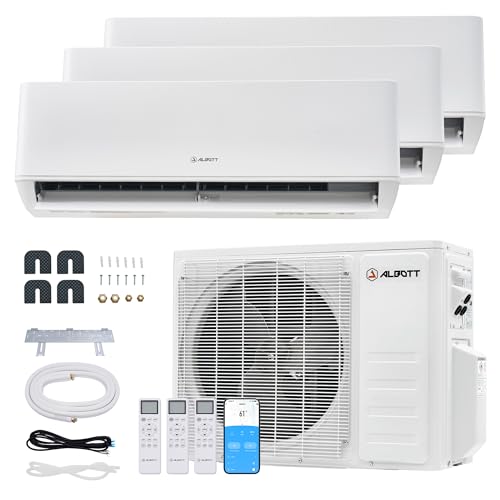
Independent three‑zone control: Three 9K BTU indoor units provide separate temperature control for each room, ideal for two bedrooms and a living area or a bedroom plus office setup. Best for those who want precise comfort per space.
Energy efficiency with simple WiFi control: 22 SEER2 rating and Energy Star certification signal lower energy usage and cost. Opt for this if you value energy efficiency without sacrificing comfort.
Smart remote control: Built‑in WiFi lets you manage settings remotely. A solid choice for households that want convenient, modern control without additional hubs.
Limitation: The unit relies on professional installation and may require line length adjustments for optimal refrigerant charging, so plan for professional service.
DELLA 28K BTU ODU Mini Split, 3 Zone
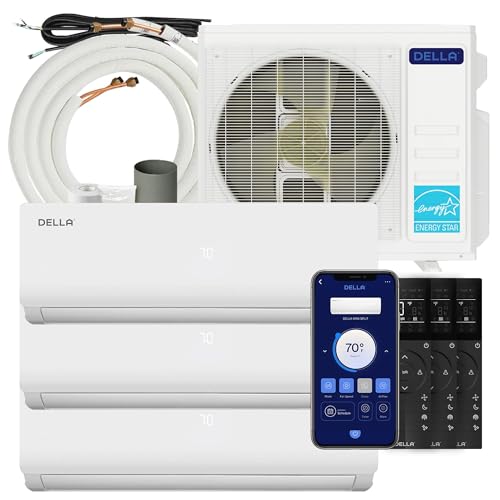
Alexa and WiFi integration: Works with smart assistants for hands‑free control. This makes it suitable for buyers who want voice control as part of a smart home setup.
Pre‑charged multi‑zone system: Three indoor units (two 9K and one 12K) connect to one outdoor condenser, offering flexible cooling and heating options for different rooms.
Energy efficiency and compatibility: 20 SEER2 inverter helps save energy over traditional systems. This is a good pick for energy‑conscious buyers who also want smart home compatibility.
Limitation: The Self‑Cleaning feature note indicates some display options may not perform the function in all modes; rely on standard maintenance rather than self‑cleaning.
YITAHOME 23 SEER2 24K BTU 3 Zone

Large area coverage with three indoor units: 24K BTU total capacity across three zones provides comfortable climate control for medium‑sized spaces. Best for partnerships of bedrooms and a shared living space in smaller homes.
Smart control and energy efficiency: WiFi connectivity and Alexa compatibility enable convenient remote control and automation. Choose this if you prefer smart home integration without extra hardware.
Multiple modes and quiet operation: Five modes including auto, cool, heat, dry, and sleep help tailor climate to any season. This unit is suitable for spaces requiring quiet operation and flexible climate options.
Limitation: Moderate noise levels can occur in some modes; assess noise tolerance for bedrooms or study areas.
YITAHOME 3 Zone 36000 BTU Mini Split

Three indoor units with three outdoor condensing units enable independent climate control across rooms. This is best for larger multi‑room layouts where room‑by‑room customization matters.
Broad temperature support and smart features: Designed for year‑round operation with a wide ambient range and remote/WiFi control. Ideal for buyers wanting robust performance with modern connectivity.
Quiet operation with multiple modes: Sleep mode and eco options help minimize noise and energy usage during overnight or daytime cooling. Consider this when silence is a priority in bedrooms or study spaces.
Limitation: Complexity of a larger system may require professional installation with precise line‑length management and refrigerant charging expectations.
Buying Guide: Three Zone Mini Split Systems
- Room layout and zoning needs: Map rooms that require separate temperatures. Three zones work well for two bedrooms plus a living area or a small office suite.
- Outdoor condenser capacity: Ensure the outdoor unit matches the total indoor BTU while allowing some headroom for peak demand and climate.
- Energy efficiency: Look for SEER2 ratings (higher is better) and inverter technology to reduce compressor cycling and energy use over time.
- Smart controls: WiFi enablement and compatibility with Alexa or other hubs add convenience for automation and remote control.
- Installation considerations: Professional installation is typically required for line sets, refrigerant charging, and ensuring optimal airflow and defrost functions.
- Noise levels: Moderate operating noise may impact bedrooms or quiet spaces; review dBA figures or user reviews if available.
- Maintenance and longevity: Pre‑charged systems reduce handling during delivery, but regular professional maintenance ensures optimal refrigerant levels and efficiency.
Frequently Asked Questions
- What does a 3‑zone mini split mean? It means three indoor air handlers connect to one outdoor condenser, each with independent temperature control for different rooms.
- Is a 3 zone system energy efficient? Yes, when equipped with SEER2 ratings and inverter technology, it minimizes compressor cycling and reduces energy use compared to single‑zone units.
- Do I need professional installation? Most three‑zone systems require professional installation for proper refrigerant charge, line‑set connections, and ensuring airflow balance.
- Can I control it with my phone? Many models include built‑in WiFi and app control, along with Alexa compatibility for voice or remote operation.
- How quiet are these mini splits? Noise levels vary by model; some operate as low as 25–40 dB in certain modes, which is suitable for living rooms and bedrooms.
- What’s the difference between SEER and SEER2? SEER2 is an updated efficiency metric reflecting newer standards; higher numbers indicate better energy efficiency.