Toe kick baseboard heaters combine discreet placement with effective warmth, helping to keep floors clear while delivering steady heat. This guide highlights five top options that pair toe-kick or under-cabinet ducts with reliable electric baseboard units. Each product is evaluated for installation ease, compatibility, and performance to help you choose the right solution for your space.
| Product | Brand | Type | Notes |
|---|---|---|---|
| Toe Ductor Under Cabinet Toe Kick Ducting Kit | Toe Ductor | Under-cabinet toe kick ducting | Floor vent kit; fits standard 4″ cavity; easy installation |
| Toe Ductor Wall Vent Under Cabinet Ducting Kit | Toe Ductor | Wall-vent toe kick ducting | Fits 4″ cavity; suitable for wall vent location |
| Cadet F Series 24″ Electric Baseboard Heater (2F350W) | Cadet | Electric baseboard heater | Compact 24″ model; requires thermostat |
| Cadet F Series 72″ Electric Baseboard Heater (6F1500W) | Cadet | Electric baseboard heater | Long, high-capacity unit; requires thermostat |
| Comfort Zone Electric Baseboard Space Heater (CZ600) | Comfort Zone | Electric baseboard heater | 1500W with safety and thermostat options |
Toe Ductor Under Cabinet Toe Kick Ducting Kit

The Toe Ductor Under Cabinet Toe Kick Ducting Kit is designed to place ducting below cabinets, utilizing a 4″ cavity to distribute warm air from the space beneath cabinets. It fits common boot sizes (4″x10″, 4″x12″, and a 6″ round boot) and emphasizes a semi-circle flange design to seal around the ducting. The kit is marketed as easy to install with no specialized tools and no custom boot required. Installation positioning should consider cabinet depth and vent alignment for optimal airflow. This option is suitable for retrofitting under existing cabinetry to improve floor-level warmth without visible radiators.
Toe Ductor Wall Vent Under Cabinet Ducting Kit

Designed for wall-vent locations at the same level as the toe kick, this kit provides a straightforward air path under cabinets without requiring a custom boot. It is advertised as easy to assemble with minimal tools. Proper use depends on vent placement and ensuring the wall vent is at the correct height to align with the toe kick ducting. This option is ideal for homes where floor-level warmth is needed but under-cabinet space is constrained by plumbing or electrical utilities.
Cadet F Series 24″ Electric Baseboard Heater (2F350W)
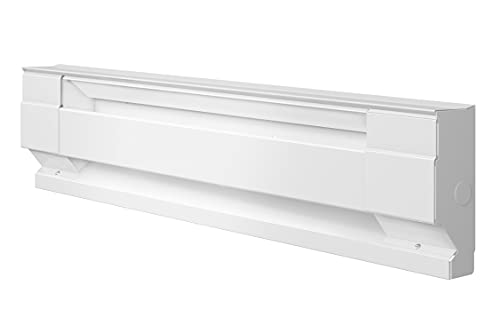
Cadet’s F Series 24″ baseboard heater provides a compact, electric solution for small to medium rooms. Noted features include a steel body and compatibility with a thermostat. The unit emphasizes straightforward universal wiring and pre-punched knockouts for flexible installation. A safety orientation is common across Cadet products, though users should verify thermostat compatibility and required clearances. This unit serves as a practical lower-profile option for space-constrained areas where toe-kick integration is not feasible.
Cadet F Series 72″ Electric Baseboard Heater (6F1500W)

This Cadet 72″ baseboard heater offers substantial heat output for larger rooms or open spaces. It features a 1500W rating with a 1125W option, depending on voltage configuration. It requires a thermostat for operation and includes a robust steel construction with a powder-coated finish for durability. Installers should plan for sufficient wall space and electrical supply capacity, as longer units demand careful wiring and mounting considerations to ensure even heat distribution along the length.
Comfort Zone Electric Baseboard Space Heater CZ600

The Comfort Zone CZ600 offers a 1500W electric baseboard heater with a focus on safety and adjustable temperature control. Features include a tip-over switch, stay-cool body design, and overheat protection. This unit is designed for medium-sized rooms and emphasizes quiet operation. The model integrates two heat settings and a thermostat, allowing users to tailor warmth to room needs while maintaining energy efficiency. This is a robust option for those seeking a balanced, safe, mid-range heating solution with straightforward installation.
Buying Guide: Key Purchase Considerations And Comparisons
- Heat source and compatibility: Electric baseboard heaters require thermostats and compatible electrical circuits. Ensure your electrical panel can handle the wattage, especially for longer units like the Cadet 72″ model.
- Cabinet and toe-kick integration: Toe kick duct kits (Under Cabinet or Wall Vent) provide discreet under-cabinet warmth, but require accurate measurements of cabinet cavity and vent alignment. Confirm cavity dimensions before purchasing.
- Room size and heat load: Larger rooms benefit from longer or higher-wattage baseboard heaters. Balance with thermostat settings to avoid overheating and reduce energy use.
- Safety features: Look for tip-over switches, overheat protection, and stay-cool exteriors. These features reduce risk in households with children or pets.
- Installation ease: Some units advertise universal wiring and pre-punched knockouts for quick setup, while longer units may require professional electrical work. Consider whether you prefer DIY or professional installation.
- Aesthetics and clearance: Baseboard heaters should have adequate clearance from furniture and curtains. Toe-kick or under-cabinet solutions minimize visible bulk and preserve floor space.
- Maintenance and durability: Steel bodies and powder-coated finishes tend to offer durability and longevity. Check warranty terms and service options with the manufacturer.
- Energy efficiency: Compare wattage options (750W, 1500W, etc.) and thermostat features. For energy savings, select models with programmable or smart thermostats and appropriate zones.