If you’re shopping for triple wall vent pipe options, you want products that maximize safety, durability, and ease of installation. This guide highlights five compatible choices, explains who each is best for, and notes practical limits. Ideal buyers include homeowners upgrading stoves, campers seeking reliable venting, and contractors implementing safe exhaust paths for wood, pellet, or gas appliances. Below you’ll find concise product overviews, a quick comparison table, and a buyer’s guide to help you choose confidently.
Summary table of selected products
- Tent Stove Jack Kit: Flexible Silicone Pipe Boot, Triple Wall Pipe Compatible — Best for camping and temporary shelters.
- DuraVent 6DP 24 DuraPlus Triple Wall Chimney Pipe — Best for wood stoves and long-term home use.
- DuraVent DuraPlus 420 Stainless Steel Triple Wall Pipe — Best for durable stainless option and easy installation.
- Simpson Duravent 9019 6″x9″ Triple Wall Pipe — Best for standard triple-wall needs with broad compatibility.
- Duravent 3 Inch PelletVent Stainless Steel Double Wall Kit — Best for pellet stoves with horizontal venting.
Tent Stove Jack Kit: Flexible Silicone Pipe Boot

Best for camping, yurts, and bell tents, this silicone pipe boot provides high-temperature resilience and an adjustable base. The kit claims compatibility with triple wall pipes, making it suitable for portable shelter setups and cabins alike. The flexible design supports easy cutting and securing for a snug fit around stove pipes. Use this when you need a versatile boot that adapts to irregular tent geometries while maintaining a reliable seal.
Who it’s best for: campers, nomadic travelers, and temporary shelter operators who want a low-profile, high-heat vent solution without heavy metal fabrication.
Why chosen: It offers triple-wall compatibility in a flexible form factor, simplifying installation where rigid pipes are impractical. The high-temp silicone resists heat buildup and weather exposure, reducing risk at tent stoves.
Caution: Silicone can be vulnerable to physical punctures; ensure the boot’s mounting area is protected from sharp edges or heavy abrasion.
DuraVent 6DP 24 DuraPlus Triple Wall Pipe

Best for wood stoves and long-term home heating, this triple-wall pipe is built to sustain higher flue gas temperatures and offer secure installation with die-formed fittings and a twist-lock connector. The galvanized steel construction supports consistent performance during extended, cold winters. This option suits households seeking a robust vent path that tolerates frequent, high-temperature use.
Who it’s best for: homeowners needing a dependable triple-wall vent with straightforward installation and strong temperature tolerance.
Why chosen: It emphasizes safety and durability for continuous operation, aligning with typical wood stove usage patterns and longer-term installations.
Caution: Galvanized steel can heat up significantly; maintain clearances per code to prevent nearby combustibles from contacting the pipe.
DuraVent DuraPlus 420 Stainless Steel Triple Wall Pipe
Best for stainless steel enthusiasts and challenging vent paths, this triple-wall connector emphasizes corrosion resistance and heat tolerance up to 1,000 degrees Fahrenheit. The stainless steel design supports environments where moisture and temperature swings are common, such as basements with humid air or coastal homes. It also features die-formed parts that aid precise fitting and installation efficiency.
Who it’s best for: buyers who prioritize corrosion resistance and a clean, durable metal system for wood, gas, or mixed-fuel stoves.
Why chosen: The stainless construction offers an extended lifespan in harsher environments, reducing maintenance and replacement frequency.
Caution: Stainless systems can be more expensive; ensure the rest of the vent run is also high quality to maximize benefits.
Simpson Duravent 9019 6″x9″ Triple Wall Pipe
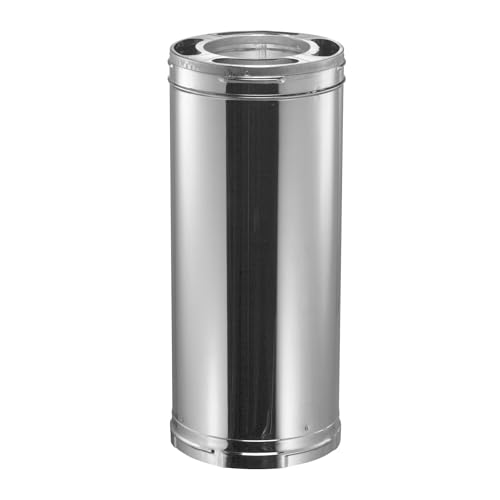
Best for standard triple-wall venting needs, this pipe provides a straightforward option for common stove installations. While the listing highlights its triple-wall design, it’s best used where a 6×9 configuration matches the stove outlet and vent path. The design focus is reliable, predictable performance with typical wood or pellet stove setups.
Who it’s best for: homeowners and installers seeking a conventional triple-wall run that aligns with common stove fittings.
Why chosen: It gives a balanced mix of compatibility and execution, making it a versatile choice for routine venting tasks.
Caution: Availability and compatibility should be verified with your specific stove model and existing vent components to avoid mismatches.
Duravent 3 Inch PelletVent Stainless Steel Kit

Best for pellet stoves and indoor venting, this kit is designed for 3-inch pellet stove exhaust and double-wall venting. It includes multiple components—pipes, elbow, cleanout tee, and caps—providing a comprehensive solution for horizontal through-the-wall installations. The inner stainless liner supports corrosion resistance and consistent venting performance in pellet applications.
Who it’s best for: homeowners or installers focusing on pellet stove setups and need a complete horizontal venting package.
Why chosen: The kit offers a ready-to-install assembly with essential components, reducing the need to source parts separately.
Caution: Designed for horizontal venting; confirm your space does not require vertical routing or additional clearance before purchasing.
Buying Guide: Key Considerations For Triple Wall Vent Pipe
What material should you prioritize? Triple-wall vent pipes come in galvanized steel, stainless steel, and mixed metal configurations. Stainless is best where moisture and corrosion are concerns, while galvanized shows broad compatibility and cost-effectiveness but may require more careful handling in humid environments.
Which sizes fit your stove? Triple-wall pipes come in various diameters and connector types. Measure the stove outlet and the chimney throat to ensure a proper match. Inadequate sizing can cause backdraft or poor venting performance.
What installation features help? Look for die-formed fittings, twist-lock connectors, and pre-cut lengths that simplify assembly. A kit with a cleanout option is helpful for maintenance and inspection.
Is horizontal or vertical venting required? Horizontal installations often need a complete kit with elbows, caps, and thimbles. Vertical runs benefit from heat-tolerant, high-quality insulation and secure mounting to prevent leaks and creosote buildup.
What about safety and code compliance? Confirm product compatibility with local codes and appliance manuals. Use appropriate clearances from combustibles and ensure a proper termination cap to prevent downdrafts and wildlife intrusion.
FAQ
- What is triple-wall vent pipe used for? It provides a safer, insulated vent path for wood, pellet, and gas appliances, reducing heat transfer and creosote risk.
- Can I mix brands of triple-wall pipe parts? Compatibility varies by model and diameter. It’s best to match the same brand or confirm dimensions with the supplier before mixing parts.
- Is stainless steel better than galvanized for vent pipes? Stainless steel offers superior corrosion resistance and higher heat tolerance in challenging environments, but it is typically more expensive.
- Do all triple-wall pipes require a liner? Most triple-wall systems rely on inner liners designed for their intended fuel type; check product specifications to ensure proper venting performance.
- How do I choose between a kit and individual components? Kits simplify installation with matched parts, while individual components allow customization for unique stove setups or retrofit projects.
- What maintenance is needed for triple-wall vent pipes? Regular inspection for rust, creosote buildup, and seal integrity is advised. Cleanouts and caps should be kept unobstructed for safe operation.