Find the right vacuum dust collection system to keep your shop clean and your tools running efficiently. This guide highlights five top picks, explains who each is best for, and compares key strengths and limitations. Ideal for woodworkers, DIY hobbyists, and professionals seeking better dust control and cost savings on filters and bags.
Summary of selected products
| Product | Best For | Key Benefit | Note |
|---|---|---|---|
| The Dustopper PRO | Shop with high dust separation needs | Low-profile cyclone for maximum separation | Fits standard 5-gallon bucket |
| WEN DC1300 | Medium to large woodworking setups | High airflow with dual intake option | 50-gallon collection bag included |
| WEN DC3401 | Compact spaces, mobile setups | Low-cost, portable with 12-gallon bag | Wall-mount option available |
| Oneida Dust Collector Kit | Versatile shop environments | High-efficiency cyclone with 99% capture | Includes bucket, hose, and storage |
| Peachtree 10 ft Hose Kit | Tool-to-tool dust control kit | Flexible fittings and 10-foot hose | 8 fittings for broad compatibility |
Dustopper PRO Low-Profile Dust Separator

The Dustopper PRO is a low-profile cyclonic separator designed to optimize dust separation before it reaches a standard vacuum or bag. This model emphasizes separation efficiency over raw CFM, aiming to reduce filter and bag replacements. Best for shop owners who want a compact, efficient pre-separator that works with common 5-gallon buckets.
Who it’s best for: woodworkers and small-shop operators seeking improved dust separation without a large footprint. Why selected: its patent-proven design and award-winning status highlight a focus on effective separation, which helps lower operating costs over time.
Limitations: it relies on compatible bucket hardware and may require a snug seal with your existing system to maximize efficiency.
WEN DC1300 1,300 CFM Dust Collector

The WEN DC1300 offers high airflow with a 1,300 CFM rating and a 50-gallon collection bag. Its dual 4-inch inlets enable you to connect two tools at once, making it suitable for mid-sized shops with multiple tools in frequent use. Best for: workshops that need robust air movement and the flexibility to run multiple tools concurrently.
Why selected: strong suction combined with a practical bag capacity makes it a versatile centerpiece for a larger woodworking setup.
Limitations: the unit may be sizable for very small spaces, and setup can be more involved than smaller units.
WEN Woodworking Dust Collector, 12-Gallon Bag
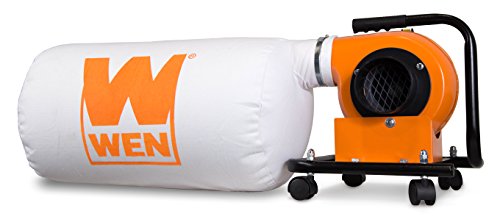
The WEN DC3401 is a compact, 5.7-amp dust collection option with a 12-gallon bag and mobile base. It’s well-suited for small to mid-size workshops that require easy maneuverability and simple storage. Best for: hobbyists or DIYers who need a portable, space-saving solution.
Why selected: a compact footprint paired with meaningful suction makes it a practical upgrade for tight spaces.
Limitations: lower motor power means it’s less ideal for very large tool programs or heavy drywall dust compared with larger systems.
Oneida Dust Collector & Cyclone Kit
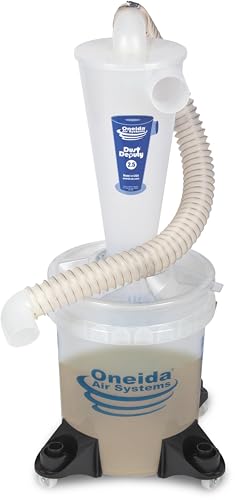
The Oneida kit combines a cyclone separator with a 5-gallon bucket, wheels, hose, and storage for a portable cyclone system. It emphasizes high separation efficiency and broad compatibility with various dust sources, including drywall, wood dust, and sanded materials. Best for: mobile workshops and those who want a ready-to-use cyclone solution.
Why selected: the kit’s neutral-vane technology and 99 percent capture rate contribute to cleaner air before the vacuum stage, reducing filter maintenance.
Limitations: assembly and compatibility checks with your specific tools are advised to achieve optimal results.
Peachtree Woodworking Supply 10 Ft Hose Kit

The 10-foot dust collection hose kit from Peachtree Woodworking Supply includes eight fittings and Sili Flex fittings for a flexible, tool-to-tool reach. Best for: users who need adaptable connections across a range of tools and shop vacuums. Why selected: the flexible, stretchable fittings help minimize downtime trying to find the correct adapter.
Limitations: check your tool port dimensions before ordering, as fitment varies across brands and models.
Buying Guide: How to Choose Your Vacuum Dust Collection System
What size and power do you need?
Consider the size of your shop and the number of tools you regularly run. Higher CFM is beneficial for large, multi-tool setups, but it can come with a larger footprint and more noise. For small shops, compact cyclones or portable kits offer a good balance of suction and space.
Do you need portable or permanent installation?
Portable cyclone kits and mobile dust collectors suit workshops with limited space or frequent tool rearrangement. Fixed installations benefit from larger dust collectors with multiple inlets and higher bag capacities.
How important is filtration and maintenance saving?
Pre-separation reduces the need for frequent filter and bag changes. Systems that focus on maximizing separation before the vacuum can lower long-term operating costs, particularly in dust-heavy environments.
Which materials and debris will you collect?
Some kits excel at wood dust and sawdust, while others handle drywall, metal shavings, and lighter particulates. Look for cyclone efficiency, vane design, and compatibility with your main dust sources.
Ease of installation and compatibility
Ensure the kit or cyclone you choose can connect to your existing tools and vacuums. Check for common port sizes (1-1/4″, 1-1/2″, 4″, 5″) and the availability of adapters if needed.
Durability and build quality
Invest in robust materials and sealed connections to minimize leaks and maintain suction. A low-profile or modular design can improve space utilization in tighter shops.
Practical buying tips
- Prioritize pre-separation efficiency to protect your vacuum’s filter and extend its life.
- Balance footprint, noise level, and airflow to fit your workspace.
- Choose a system with easy-to-source replacement parts and accessories.
Frequently Asked Questions
- What is the main advantage of a cyclone dust separator?
- Can I mix different brand hoses with a cyclone kit?
- Is a higher CFM always better?
- Do I need a mobile base for every system?
- How do I know which tool kit fits my dust ports?
- Are these systems compatible with drywall dust?
A cyclone separator captures a large portion of dust before it reaches the vacuum, reducing filter clogs and extending bag life.
Compatibility depends on port sizes. Look for adapters or kits designed to bridge common sizes like 1-1/4″, 1-1/2″, and 4 inches.
Not always. Higher CFM can improve air movement but may increase noise and space needs. For many setups, optimized separation is more important than sheer CFM.
A mobile base can offer flexibility in small shops, but permanent setups may be cleaner and quieter if space allows.
Measure port diameters on your tools and compare with kit fittings. Look for universal adapters and flexible fittings to maximize compatibility.
Several options are designed to handle drywall and mixed dust, but verify each product’s stated compatibility and recommended usage to avoid clogging or reduced efficiency.