When choosing a vented garage heater, the focus is on safe venting, steady heat output, and reliable operation in spaces that may experience variable weather. The following five models are among the most suitable for detached or attached garages, offering natural gas or LP options designed to vent properly and maintain comfort without excessive energy use. Each entry includes a quick look at key features to help you compare performance, installation ease, and long-term maintenance.
| Product | Brand | BTU | Coverage | Venting Type |
|---|---|---|---|---|
| Mr. Heater F260550 Big Maxx MHU50NG | Mr. Heater | 50,000 | Up to 1,250 sq. ft. | Vertical/Horizontal venting with powered exhaust |
| Mr. Heater F260560 Big Maxx MHU80NG | Mr. Heater | 80,000 | Up to 2,000 sq. ft. | Vertical/Horizontal venting with powered exhaust |
| Modine Direct Vent Hot Dawg HD45AS01-21 | Modine | 45,000 | Residential/Light commercial spaces | Direct vent (gas) |
| Direct Vent Garage Heater Hot Dawg | Modine | 60,000 | Garage spaces and workshops | Direct vent (gas) |
| Modine HD45AS0111 Hot Dawg | Modine | 45,000 | Residential, commercial, industrial | Direct vent (gas) |
Mr. Heater F260550 Big Maxx MHU50NG Natural Gas Unit Heater
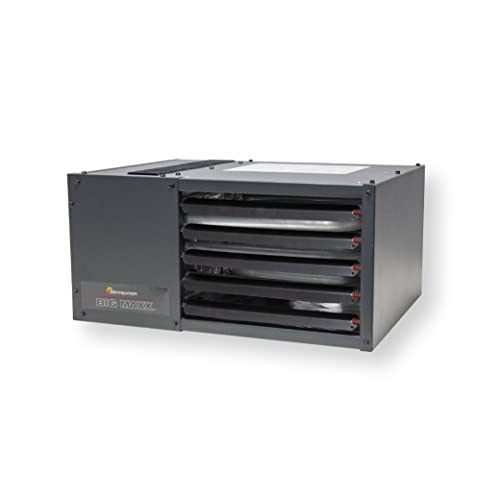
The Mr. Heater F260550 Big Maxx MHU50NG is a high-capacity natural gas unit heater designed for garages and workshops that need substantial, consistent heat. It delivers 50,000 BTU per hour, capable of warming spaces up to 1,250 square feet in favorable conditions. A standout feature is powered exhaust, enabling flexible venting configurations—vertical or horizontal—without sacrificing efficiency or safety. Access to the thermostat and gas connections is designed for straightforward servicing from the exterior, reducing the need for frequent interior inspections. This model is well-suited for spaces where reliable, continuous heat is essential during cold seasons.
Installation considerations include ensuring proper clearances from combustibles and compliance with local venting codes. The external access for thermostat and gas connections simplifies setup and maintenance. The unit’s thermal performance is robust for mid-sized garages, and the provision for venting versatility helps adapt to existing chimney or outside venting routes. Routine maintenance should focus on venting integrity, gas connections, and periodic thermostat calibration to maintain consistent temperature control.
Mr. Heater F260560 Big Maxx MHU80NG Natural Gas Unit Heater
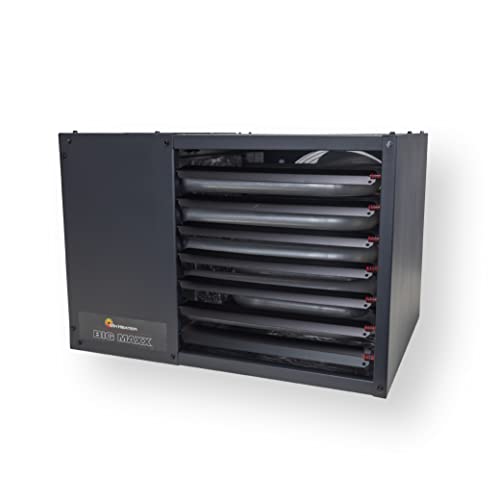
The Mr. Heater F260560 Big Maxx MHU80NG offers 80,000 BTU of heat, intended for larger garages and workshops up to roughly 2,000 square feet. It comes with a robust venting option that supports vertical or horizontal installations via powered exhaust, making it adaptable to many building layouts. This model’s package includes basic mounting hardware, with the thermostat and regulator typically sold separately, allowing buyers to pick a preferred thermostat setup. The unit’s dimensions and output are optimized to deliver steady warmth even in larger spaces, reducing cold spots and improving work conditions during winter months.
When planning installation, verify clearance requirements and venting paths to prevent heat buildup near flammable materials. Regular inspection of venting components, gas lines, and electrical connections is essential for long-term safety and performance. Consider pairing with a programmable thermostat for energy-efficient operation, especially in spaces that experience intermittent use.
Modine Direct Vent Hot Dawg HD45AS01-21

The Modine Direct Vent Hot Dawg HD45AS01-21 is a dedicated direct-vent gas heater that emphasizes compact design and efficient heat delivery. Rated around 45,000 BTU, it’s suitable for residential garages and small commercial spaces where venting directly to the outdoors is required. The “Hot Dawg” line is known for quiet operation and reliability, with a focus on safe combustion and reduced emissions. The direct-vent design helps ensure outdoor venting remains isolated from indoor air quality concerns, an essential feature for enclosed garage areas.
Key installation notes include consistent vent routing, ensuring a sealed vent cap setup, and selecting an appropriately rated thermostat for precise control. The unit’s footprint is relatively small, which makes it a good retrofit option for existing garage structures without extensive modifications. Maintenance should concentrate on vent terminations and verifying that gas supply lines remain leak-free over time.
Direct Vent Garage Heater Hot Dawg

The Direct Vent Garage Heater Hot Dawg is a powerful option in the vented category, featuring a 60,000 BTU output for garages, workshops, and larger workspaces. As a direct-vent unit, it exhausts outside while drawing combustion air from the exterior, which helps maintain interior air quality. This configuration is particularly advantageous for spaces without easy access to a vented chimney or for installations in colder climates where efficient venting and heat retention matter.
Considerations for use include ensuring the vent termination is sized and placed to prevent backdrafts, verifying compatible gas supply pressures, and selecting a thermostat that can handle the desired load. The unit’s substantial output means proper overhead clearance and distance from flammable materials should be observed. Routine inspections of vent piping and gas connections will contribute to consistent performance and safety.
Modine HD45AS0111 Natural Gas Hot Dawg Garage Heater
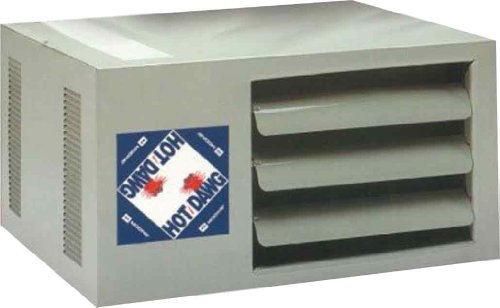
The Modine HD45AS0111 Natural Gas Hot Dawg is designed for balanced performance in residential or commercial garages. At 45,000 BTU, it offers quiet operation and a compact footprint, making it easy to install in spaces with limited wall or ceiling space. It is certified for multiple settings, including residential and light commercial use, while maintaining a neutral gray finish that blends with many interiors. The product is part of the larger Hot Dawg family known for dependable vented operation and straightforward serviceability.
Installation emphasis should be placed on venting integrity and ensuring adequate clearances to prevent heat exposure to nearby materials. Regular maintenance involves checking gas connections and ensuring the vent termination remains unobstructed. The HD45AS0111 model supports efficient, long-term heat delivery for moderate-scale garage spaces.
Buying Guide: Key Considerations For Vented Garage Heaters
- Venting design and compliance: Choose units with robust venting options (vertical/horizontal, or direct vent) that align with your garage layout and local codes. Ensure clearances to combustibles are respected.
- BTU range and space coverage: Assess the heater’s BTU output relative to your garage’s size and insulation. Overprovisioning can waste energy, while underprovisioning may leave spaces drafty.
- Gas type and efficiency: Natural gas units typically run cleanly and cost-effectively in many regions, while LP-gas models require appropriate fuel supply planning and hose-regulator configurations.
- Thermostat integration: A programmable or smart thermostat improves energy efficiency by maintaining steady temperatures and reducing waste. Confirm compatibility with the heater’s control system.
- Installation and serviceability: Look for external thermostat access, straightforward vent routing, and accessible panels for maintenance. Consider professional installation for gas connections and venting.
- Safety features: Automatic shutoff, oxygen depletion sensors, and reliable manifold controls are important for safe operation in enclosed or semi-enclosed spaces.
- Durability and warranty: Check for corrosion resistance, material quality, and warranty terms, especially if the heater will be exposed to garage dust or humidity.
- Noise and vibration: While many models operate quietly, verify decibel ratings if the garage is attached to living spaces or used as a workspace where noise matters.
- Maintenance considerations: Regular inspection of vent pipes, gas lines, and electrical connections helps prevent leaks and ensures consistent performance over time.
In choosing among these vented options, consider the garage size, desired heat distribution, and whether you need a direct-vent system that uses exterior air for combustion. For larger spaces, the higher BTU models provide quicker warm-up and more uniform temperatures. Always follow manufacturer installation instructions and local building codes to optimize safety and efficiency.