Answering the search query directly, washable HVAC air filters offer a cost-saving, eco-friendly option for many homes. This guide highlights five durable, reusable filters that suit different systems and needs—from budget-conscious households to allergy sufferers and older furnaces. Each pick is explained with who it’s best for, why it was selected, and a practical caveat. Use this overview to compare options before choosing a long-lasting filter for your furnace or AC.
| Product | Size (actual) | Best For |
|---|---|---|
| CoreCarbon 20x30x1 | 20″ x 30″ x .75″ | Homes needing a cut-to-fit option for large HVAC intakes |
| Reair 20x25x1 | 20″ x 25″ x 1″ | Allergy-aware households seeking strong filtration with low system resistance |
| Trophy Air 20x25x1 | 20″ x 25″ x 1″ | Homes seeking a durable multi-layer filter for improved airflow |
| K&N 20x20x1 | 19.6″ x 19.6″ x 0.8″ | Compact slots needing a long-lasting, high-MERV option |
| Reair 16x25x1 | 16″ x 25″ x 1″ | Mid-sized ducts needing a low-resistance, high-efficiency washable filter |
CoreCarbon 20x30x1 Cut To Fit Filter

Made in the USA, this CoreCarbon filter uses a polyester washable media designed for HVAC systems. It is sold as a cut-to-fit pad, sized for 20″ x 30″ installations with a .75″ actual thickness. It’s suitable for those who prefer to customize fit on large ducts. Best for: homeowners who want a customizable, reusable option for larger air intakes and simple maintenance routines.
Why selected: It combines domestic manufacturing with a straightforward cut-to-fit approach, easing compatibility with non-standard slots. Limitation: Since it’s a cut-to-fit product, precise sizing and trimming may be needed for a perfect seal in some systems.
Reair 20x25x1 Washable Air Filter

Reair’s 20x25x1 filter emphasizes long-term reuse with machine-washable media and a durable electrostatic design. It claims to start at a solid MERV 8 level, catching a majority of pollen, dust, and pet dander. It’s noted for ultra-low airflow resistance, aiding older furnaces or sensitive AC units and potentially extending HVAC life. Best for: budget-conscious households seeking a high-value, reusable option with low resistance.
Why selected: Strong filtration capabilities with low pressure drop help protect aging equipment. Caution: Effectiveness depends on regular washing to maintain electrostatic performance; failure to dry thoroughly could impact fit and efficiency.
Trophy Air Washable Electrostatic Filter

With four aluminum layers and two electrostatic media layers, Trophy Air emphasizes durable construction and comprehensive filtration. The product claims to improve airflow while purifying indoor air, aligning with households seeking healthier air and better ventilation efficiency. Best for: homes needing a robust, multi-layer washable filter with an emphasis on airflow and long-term reliability.
Why selected: The four-layer aluminum frame suggests durability in demanding environments. Caution: Availability and exact sizing should be verified for non-standard slots to ensure a proper fit.
K&N 20x20x1 Washable HVAC Filter

K&N’s 20x20x1 filter is designed for long life with a washable, reusable construction. It emphasizes high-quality filtration, capturing dust and allergens while supporting consistent airflow and system longevity. Best for: homes with standard square slots that want a low-maintenance, reusable solution with reliable filtration.
Why selected: Reusability reduces waste and long-term costs; however, ensure you have the exact slot dimensions to maintain a proper seal after washing and reinstallation.
Reair 16x25x1 Washable Air Filter
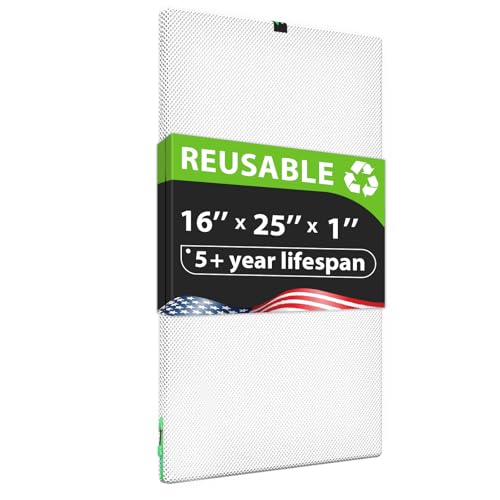
This Reair filter is another machine-washable option, sized at 16″ x 25″ x 1″. It uses MERV 8 filtration and a honeycomb design to trap particles while keeping air resistance low. Best for: mid-sized HVAC slots where reduced blower load is a priority and recurring washing is feasible.
Why selected: It provides a balance of filtration and low airflow resistance, useful in older systems. Caution: Size variations in older frames may require trimming for a snug fit and seal.
Buying Guide: Key Considerations For Washable HVAC Filters
- Fit And Size: Measure slot dimensions accurately. Washable filters often come as cut-to-fit or in standard sizes; a poor seal can bypass filtration.
- Filtration Level: Look for MERV ratings that match your indoor air needs. Higher MERV means better capture but may increase resistance; compare with your system’s blower capacity.
- Pressure Drop: Low resistance helps prevent strain on older furnaces. Check published pressure-drop figures at relevant airflow (CFM) to ensure compatibility.
- Maintenance: Wash frequency depends on usage, pets, and allergy concerns. Allow filters to dry completely before reinstalling to prevent mold growth.
- Durability And Materials: Aluminum frames offer rigidity; electrostatic media helps with capture efficiency. Consider a media type that suits your environment (dusty, pet dander, pollen).
- Long-Term Value: Reusable filters reduce waste and ongoing costs, but require proper cleaning routines. Compare lifecycle costs with disposable filters for your home.
Frequently Asked Questions
- Do washable HVAC filters protect my system as well as disposable ones? Yes, when properly maintained, washable filters can provide similar filtration with the added benefit of reuse, while maintaining adequate airflow.
- How often should I wash a washable filter? Typically every 3–6 months in moderate use, more often in homes with pets or heavy dust. Always dry completely before reinstalling.
- Can washable filters improve energy efficiency? By maintaining good airflow and reducing pressure drop, a clean reusable filter can support HVAC efficiency and potentially lower energy use.
- What size should I choose for an older furnace? Prioritize a filter that matches your slot dimensions exactly. If needed, select a cut-to-fit option and trim carefully for a snug seal.
- Are there any downsides to washable filters? They require routine cleaning and drying; improper drying or over-washing can affect filtration performance and fit.
- What is the best filter for allergy sufferers? Filters with robust electrostatic media and higher MERV ratings commonly perform better at capturing pollen, dust, and pet dander when properly maintained.