Best water heater expansion tanks help protect your plumbing and hot water system from pressure buildup caused by thermal expansion. This guide highlights five reliable tanks that suit residential and light commercial setups. Each option is explained for who it’s best for, plus practical installation notes and a key caution. A quick buyer’s table at the top summarizes capacity, connection size, and notable strengths.
| Product | Capacity | Connection | Best For | Notes |
|---|---|---|---|---|
| EFIELD Water Heater Expansion Tank | 2.1 Gallon | 3/4 in MNPT | Most households needing reliable protection | Certified for potable water |
| TT FLEX 2.1 Gallon Expansion Tank | 2.1 Gallon | 3/4 in MNPT | Compact systems with easy install | Good for small to mid-sized setups |
| Neo-Pure 2.1 Gal Thermal Expansion Tank | 2.1 Gallon | 3/4 in MNPT | Systems with backflow preventers | Butyl diaphragm for durability |
| Solimeta 2.1 Gallon Expansion Tank | 2.1 Gallon | 3/4 in MNPT | Residential and light commercial | Wall-mount bracket included |
| Watts 4.5 Gallon Potable Tank | 4.5 Gallon | 3/4 in MNPT | Larger systems or higher throughput | Stainless steel inlet, durable finish |
EFIELD Water Heater Expansion Tank

Best for households seeking dependable, potable-water-safe expansion protection. The EFIELD tank absorbs excess thermal pressure to guard both the water heater and plumbing. It uses a 3/4″ MNPT connection for straightforward installation in standard domestic lines. The unit is certified safe for drinking water, ensuring clean water remains uncontaminated by the tank’s diaphragm and air chamber. Use this when you need a compact, reliable solution with potable-water assurance. Caution: verify that your system’s precharge and piping comply with local codes to avoid over-pressurization.
TT FLEX 2.1 Gallon Expansion Tank

Best for compact installations where space is at a premium. TT FLEX emphasizes effective thermal expansion management for closed-loop heating or cooling systems, helping prevent equipment damage. The 2.1-gallon capacity suits smaller systems, and the design supports quick installation for professionals and DIY enthusiasts alike. It’s a solid choice when you want a straightforward, space-conscious option. Caution: ensure the system benefits from a dedicated expansion solution rather than repurposing a tank from a different application.
TT FLEX Potable 4.5 Gallon Expansion Tank
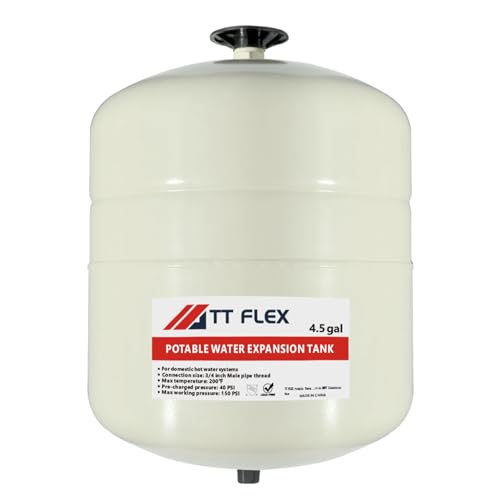
Better for larger residential or small commercial systems that generate significant thermal expansion. This TT FLEX model features a 4.5-gallon capacity with a 3/4″ MNPT connection. The finish and diaphragm design aim to reduce external corrosion and isolate system water from air precharge, which can extend service life. Choose this if your hot-water draw is frequent or your system operates with higher flow. Limitation: higher profile and footprint may require a more open installation space.
Neo-Pure 2.1 Gal Thermal Expansion Tank

Best for systems using backflow preventers or check valves. Neo-Pure uses a durable butyl diaphragm that effectively separates potable water from the tank’s internal air, helping maintain safe pressure levels. The 3/4″ MNPT connection aligns with standard domestic plumbing. This tank suits homes needing reliable, corrosion-resistant construction and a straightforward replacement option. Caution: verify compatibility with any inline precharge or check-valve configurations in your current setup.
Potable 2.1 Gallon Expansion Tank by Oiununo

Best for off-grid or RV setups where compact, portable protection is needed. This tank features a dual O-ring leak-resistant air valve, food-grade stainless construction, and a food-grade EPDM diaphragm for potable-water compatibility. It handles high pressure and water hammer well, with a practical 150 PSI operating guidance for long-term safety. Choose this if you require a rugged, food-grade option with strong leak protection. Limitation: ensure you stay within the recommended operating pressure for sustained life.
Solimeta 2.1 Gallon Potable Tank
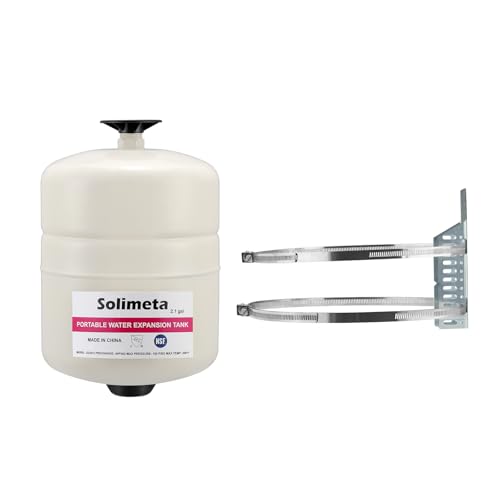
Best for households seeking a bundled purchase with mounting convenience. Solimeta’s 2.1-gallon unit includes a wall mounting bracket, reducing the need to source extra hardware. It offers a conventional 3/4″ MNPT connection and a rubber protective thread guard. The diaphragm and materials are designed for potable water use, supporting safe drinking water in typical residential plumbing. Caution: check that the included bracket fits your preferred mounting location and wall structure.
Watts 4.5 Gallon Potable Tank
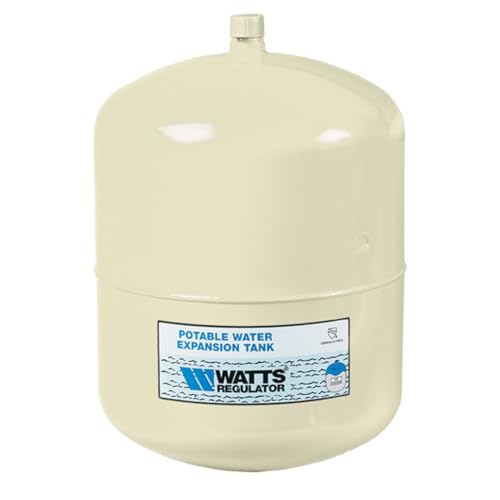
Best for larger systems requiring substantial expansion capacity. Watts offers a 4.5-gallon potable tank with a 3/4″ male connection and a durable epoxy-coated carbon steel body. Its stainless steel inlet and a robust membrane aim to maintain air charge and resist corrosion. Choose this for high-demand homes or early-stage installations where a larger buffer is advantageous. Limitation: larger unit may require more installation space and careful support to prevent stress on piping.
Buying Guide: Key Considerations For Choosing A Water Heater Expansion Tank
- System size and demand: Larger households or systems with frequent hot water use benefit from higher-capacity tanks (like 4.5 gallons). For compact installations, 2.1-gallon models often suffice.
- Connection type and placement: Most residential tanks use a 3/4″ MNPT connection. Verify that your supply line matches and plan space for mounting or placement near the water heater.
- Diaphragm material and water compatibility: Diaphragms made from butyl or EPDM are common and suitable for potable water. Confirm compatibility if your system carries non-potable fluids.
- Warranty and finish: Tanks with corrosion-resistant finishes and durable diaphragms tend to last longer in exposed plumbing environments. Consider installation location and potential exposure to moisture.
- Backflow and precharge considerations: Systems with backflow preventers or check valves may benefit from compatible tanks designed to maintain safe pressures without air-bleed issues.
- Installation requirements: Some tanks include mounting brackets or require professional installation, especially in tight spaces or multilevel buildings.
- Maintenance and inspection: Periodic checks of precharge pressure and diaphragm integrity help prevent leaks and ensure continued protection of the system.
Frequently Asked Questions
- What is a water heater expansion tank used for?
It absorbs excess pressure caused by hot water expanding in closed plumbing systems, protecting the heater, pipes, and valves from damage.
- Do I need a potable water rated expansion tank?
If your system waters are used for drinking, potable-rated tanks prevent cross-contamination and meet safety standards.
- What size expansion tank should I choose?
Choose based on system size, heating method, and water pressure goals. Common residential options are 2.1 to 4.5 gallons.
- Can I install an expansion tank myself?
Many installations are straightforward with a standard 3/4″ MNPT connection, but consult local codes and consider professional help for complex setups.
- What maintenance does an expansion tank require?
Regular checks of precharge pressure and diaphragm integrity help ensure continued protection of the system.
- Which tank is best for larger homes?
The Watts 4.5-gallon model is better for higher demand, offering a larger buffer against pressure spikes.