Answering your search for a dependable water heater pressure reducing valve, this guide highlights five well-matched options. Each product is chosen for durability, ease of installation, and compatibility with common residential and RV systems. This list helps buyers decide who each valve is best for—homeowners with steady municipal pressure, RV owners needing compact protection, and renovations requiring easy maintenance. Use the quick comparison table to spot the best fit for your setup.
| Product | Best For | Key Benefit |
|---|---|---|
| Camco Automatic Temperature and Pressure Relief Valve | RV and small home water heaters | All-brass body with stainless steel spring for reliable protection |
| Cash Acme EB45 Pressure Regulating Valve | Residential and light commercial systems | Direct-access cartridge design for easy adjustment and tamper resistance |
| Zurn Wilkins 34-NR3XL | Compact spaces; tight installations | Cartridge-loaded with flexible tailpiece options |
| Trisinger 150 PSI Relief Valve | Lead-free brass protection for hot water tanks | Brass construction with 150 PSI safety relief |
| Slocable 150 PSI Relief Valve | Brass, compact design for residential and storage tanks | Push-button upgrade and reliable 150 PSI operation |
Camco Automatic Temperature and Pressure Relief Valve

Best for RVs and compact home setups requiring straightforward protection from excess temperature and pressure. The valve features an all-brass body with a stainless steel pressure spring, and a ¾-inch NPT connection, suitable for RV and home water heaters. The factory setting is 150 PSI and 210°F. Choose this if you need a robust, easy-to-service relief valve in tight spaces. Caution: ensure the probe and extension are compatible with your tank’s venting and clearance requirements.
Cash Acme EB45 Pressure Regulating Valve
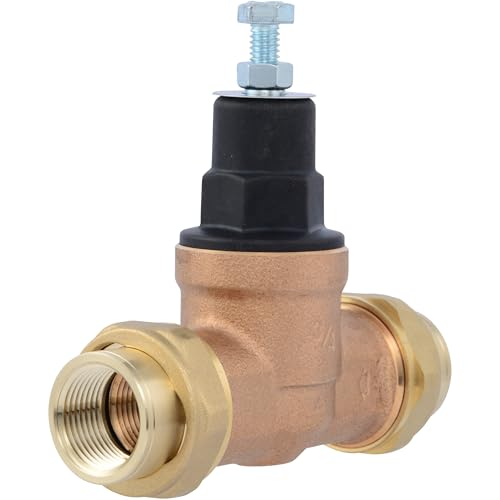
Best for households needing tamper-resistant, easily adjustable downstream pressure. The EB45 design emphasizes direct access to the pressure-adjusting screw and a compact inline ¾ in. NPTF double union. Made from brass and stainless components, it complies with NSF/ANSI 372 for potable water. This is a solid choice for homes and small commercial applications where stable pressure is critical. Limitation: the compact cartridge approach may require careful alignment during installation to avoid leaks in tight spaces.
Zurn Wilkins 34-NR3XL Pressure Reducing Valve
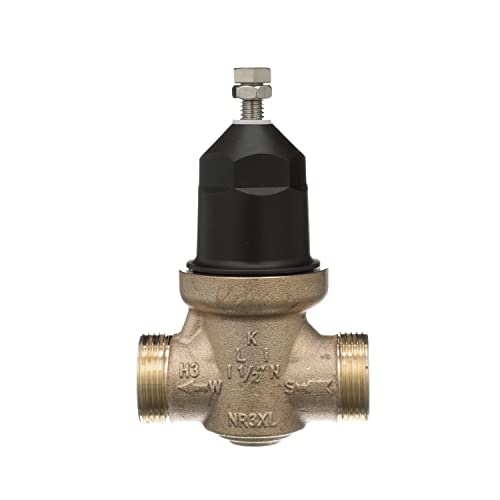
Best for tight installations where space is at a premium. The 34-NR3XL features a short lay length with a compact design and a cartridge-loaded mechanism to simplify repairs. It also offers multiple tailpiece options, including threaded, PEX, copper sweat, and CPVC connections. Ideal for homes with limited cabinet space or challenging plumbing runs. Caution: verify compatibility with current piping materials to ensure a secure seal.
Trisinger 150 PSI Temperature and Pressure Relief Valve
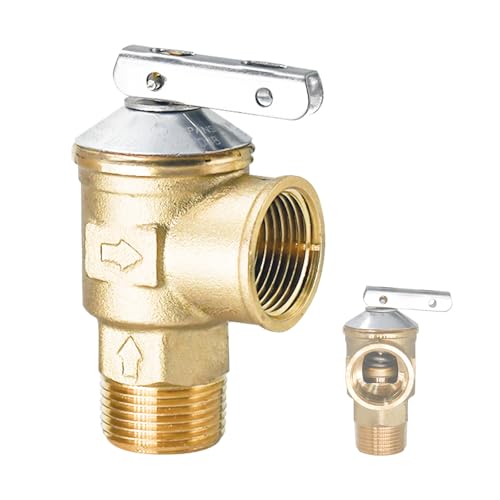
Best for lead-free brass protection in residential or RV water heaters. This valve provides 150 PSI relief and is designed for ¾ inch NPT threads with easy FIP to MIP connections. The brass construction offers good high-temperature resistance and anti-corrosion properties. Choose this if you want a straightforward, durable relief valve with clear pressure rating. Limitation: installation must ensure proper seating to prevent leaks under high temperatures.
Slocable 150 PSI Relief Valve
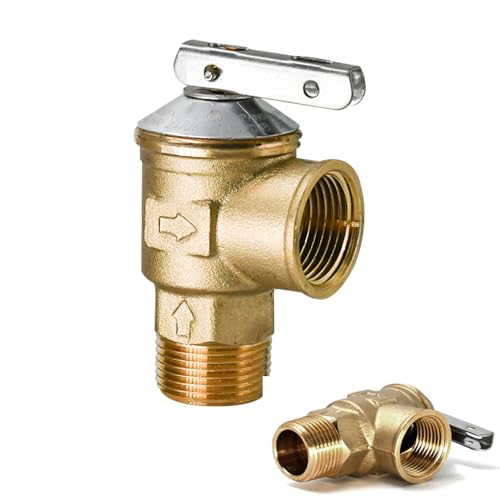
Best for residential water heaters and hot water storage tanks needing a robust brass solution with a high-temperature range. This valve handles up to 150 PSI and features a lead-free brass body with a corrosion-resistant design. It includes a ¾-inch NPT male connector and a push-button style upgrade path for easier service in some setups. Use this if you prioritize a balance of durability and straightforward maintenance. Caution: verify your system’s venting and clearance to accommodate the valve’s dimensions.
Buying Guide
What is a water heater pressure reducing valve and why do I need one?
A pressure reducing valve (PRV) limits the water pressure entering your water heater and plumbing system, protecting components from overpressure and overheating. It helps prevent leaks, ruptures, and premature wear in both residential and RV setups. A T&P (temperature and pressure) relief valve is closely related and protects against excess temperature and pressure by releasing water as needed.
Key factors to consider
- Connection type and size: Most home systems use ¾-inch NPT; some RV setups may require different configurations.
- Pressure rating: Common settings are 50–150 PSI. Choose a model with a rating that matches your municipal supply and heater requirements.
- Material durability: Brass bodies with stainless components offer corrosion resistance and longevity in hot water environments.
- Compact footprint: In tight spaces, short lay length or cartridge designs can simplify installation and service.
- Tamper resistance and adjustability: Some models allow locking or tamper-resistant features to prevent accidental changes.
Installation considerations
- Ensure correct threading and sealants for leak-free connections. Use Teflon tape where recommended.
- Place PRV downstream of the main shutoff and ensure accessible position for maintenance.
- Verify compatibility with your heater type (gas, electric, tankless) and any expansion tank needs.
Maintenance and replacement guidance
- Regularly inspect for leaks and test relief valves per manufacturer guidelines.
- Keep spare seals and gaskets suitable for your valve model to minimize downtime.
- Prefer components with accessible adjustment points or cartridge replacements for easier servicing.
Which product should you choose?
- Best overall flexibility: Cash Acme EB45 for easy adjustment and tamper resistance.
- Best for tight spaces: Zurn Wilkins 34-NR3XL with a compact layout and versatile tailpieces.
- Best for RVs: Camco for robust protection and simple hookup.
- Best for lead-free durability: Trisinger with brass construction and 150 PSI rating.
- Best value option: Slocable for reliable 150 PSI operation with a durable brass body.
Frequently asked questions
- What is the difference between a PRV and a T&P valve? A PRV regulates downstream pressure; a T&P valve relieves excess temperature and pressure to protect the system.
- Can I install a PRV on both home and RV water heaters? Yes, many PRVs are compatible with both, but verify thread sizes and space in each setup.
- What maintenance does a PRV require? Check for leaks, test operation, and ensure proper seating; replace gaskets or cartridges as needed.
- Is a tamper-resistant design important? For households with children or shared spaces, tamper resistance helps prevent accidental changes and maintains safe pressure.
- Do PRVs require expansion tanks? Some systems may benefit from an expansion tank to manage pressure fluctuations, especially in closed-loop systems.
- Are there any installation pitfalls to avoid? Avoid overtightening, incompatible materials, or mounting valves in cramped locations where access is blocked for testing or maintenance.