Welding rod heaters (or ovens) are essential for keeping stick electrodes dry and ready, preventing moisture-related weld defects. This guide highlights top-rated models that maintain low hydrogen weld deposits, support field work, and fit a range of shop sizes. Each product below is evaluated for capacity, temperature control, portability, and build quality to help you pick the right heater for your welding tasks.
Summary Of Selected Products
| Brand | Model | Capacity | Max Temp | Notes |
|---|---|---|---|---|
| YESWELDER | 15lb Portable Welding Rod Oven | 15 lb | 85–300°F | Portable, moisture protection, 14″ rods |
| Ridge Products | 11 Lb Portable Welding Rod Oven | 11 lb | 300°F | Locking lid, suitable for low hydrogen/stainless rods |
| Keen Ovens | K-200 Bench Welding Rod Oven | 200 lb | 300°F | Large capacity, USA-made |
| Keen Ovens | KT-50 Portable Welding Rod Oven | 50 lb | 300°F | Dual voltage, field-ready |
| TIANGUOHE | Portable Welding Rod Oven | 11–18″ electrodes | 180°C (356°F) | Portable with auto-heat cycling |
Across these options, you’ll find a balance between capacity for shop efficiency and portability for fieldwork. The following sections detail five standout welding rod heaters, with direct links to each product page for quick comparison.
YESWELDER 15lb Portable Welding Rod Oven

The YESWELDER rod oven is designed to prevent moisture intrusion in electrodes, maintaining low hydrogen weld deposit properties for crack-free welds. It weighs under 8 pounds, featuring a portable handle for easy transport between workshops, garages, and outdoor sites. With a large 15-pound capacity and a 14-inch rod fit, it provides quick access to dry electrodes while wearing gloves. The moisture protection and compact design suit both small shops and field projects where dry rods are essential for consistent weld quality.
Features referenced include moisture protection, portability, and a generous capacity. This model emphasizes convenience for daily welding routines, particularly for projects requiring multiple rod changes without re-drying electrodes mid-task.
Ridge Products 11 Lb Portable Welding Rod Oven

This compact unit is tailored for maintaining the integrity of various rods up to 11 pounds and 18-inch length. It reaches a maximum of 300°F, which suits common low hydrogen and stainless welding rods like 7018, 316L, and 6018. A locking lid helps keep moisture out during transport or long storage, making it a practical choice for smaller shops or mobile weld crews that prioritize precise temperature control and rod protection.
As with all ovens, using an appropriate temperature helps prevent slag inclusions and porosity. This model emphasizes reliable locking and a straightforward, rugged design suitable for regular field service or shop use.
Keen Ovens K-200 Bench Welding Rod Oven
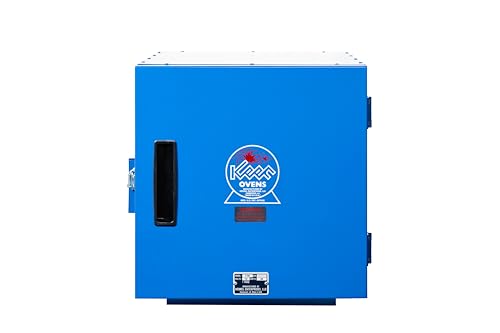
The K-200 bench model is built for high-volume shops needing substantial rod storage. With a 200-pound capacity, it exceeds typical field equipment while remaining a reliable solution for fabricators that rely on large supplies of flux-coated 7018 rods. It also meets or exceeds AWS D1.1 guidelines for heated storage, making it a solid choice for pipeline fabrication teams or production welders who require consistent temperature management and rod protection during heavy use.
The bench design favors stability and continuous operation, supporting long shifts with fewer rod changes. This option balances dense capacity with robust construction for industrial settings.
Keen Ovens KT-50 Portable Welding Rod Oven

The KT-50 offers a portable, lightweight design with a 50-pound capacity and dual voltage support (120V/240V). It can store up to 18-inch rods and is engineered to keep hygroscopic low-hydrogen electrodes dry in the field. This makes it a versatile choice for contractors moving between shop floors and remote job sites, combining mobility with reliable rod protection.
In field conditions, dual voltage capability can simplify power sourcing. The KT-50’s portability ensures it won’t bog down transport while keeping rods within easy reach during multi-day projects.
TIANGUOHE Portable Welding Rod Oven

The TIANGUOHE model combines portability with a practical 11–18 inch electrode compatibility and an automatic heat-control cycle. It maintains electrode dryness at up to 180°C (±15°C), and features a lift-out storage rack for easy electrode access. Its cycling heat system helps sustain consistent drying while reducing energy consumption. For remote or on-site welds, this unit provides a dependable balance of capacity and ease of use, with a straightforward indicator system to monitor operation.
This unit emphasizes efficient heat maintenance and simple operation, making it a good option for job sites where quick electrode retrieval and reliable drying are critical.
Buying Guide: Key Purchase Considerations And Comparisons
- Capacity needs: Larger shops or contractors running long shifts benefit from high-capacity ovens (50–200+ pounds). Smaller shops or field teams may prefer lighter, portable units (under 15 pounds) for easier transport.
- Temperature range: Most rods require low to moderate heat (up to 300°F). If you work with hotter or specialty rods, verify the max temperature before purchasing.
- Portability vs. stability: Mobile models excel for job sites and field work, while bench models provide stability for a shop. Consider your typical work environment and transport requirements.
- Rod length compatibility: Ensure the oven can accommodate the electrode lengths you use (commonly 14–18 inches). Some units specify compatible lengths and rod diameters.
- Moisture protection and sealing: A good lid seal and moisture-resistant lining help preserve electrode dryness during storage and transit.
- Power options: Dual-voltage units offer flexibility on job sites with variable power availability. Check your available electrical infrastructure before selecting a model.
- Code compliance: In some regions, heated electrode storage must meet specific standards. Look for models that reference relevant codes (e.g., AWS D1.1) when working in regulated environments.
- Durability and warranty: Weld shops can be tough on equipment. Prioritize rugged construction, reliable temperature control, and a solid warranty.
Choosing the right welding rod heater involves balancing capacity, portability, and temperature control against your shop size, travel needs, and the electrode types you use. For field crews, a compact, easily transportable oven with reliable moisture protection is often preferred. For production shops, high-capacity, bench-style models provide the continuity and large supply management required for long projects. Temperature stability and ease of access to dry rods are universal priorities across all use cases.