Smart, networked baseboard heaters let you tailor indoor warmth with schedules, remote control, and energy reports. This guide highlights top WiFi-enabled options that work with common ecosystems like HomeKit, Alexa, and Google Assistant. Each pick supports high-voltage (120V–240V) baseboard or wall-mounted heating, helping you balance comfort and efficiency across rooms and seasons.
| Product | Brand | Voltage Range | Key Benefit |
|---|---|---|---|
| Mysa Smart Thermostat LITE | Mysa | 120V–240V | Remote control, schedules, energy reports; free app |
| Heat Storm HS-1500-PHX-WIFI | Heat Storm | 120V–240V | Infrared wall-mounted with remote and touch thermostat |
| Mysa Smart Thermostat 240V | Mysa | 240V | High-voltage baseboard control; adaptive display |
| meross Smart Thermostat | meross | 120V–240V | Four-wire high-voltage support; broad smart integrations |
| GiveBest Electric Wall Heater | GiveBest | 120V–240V | WiFi-enabled; three heating modes; remote/touch control |
Mysa Smart Thermostat LITE for Baseboard Heaters
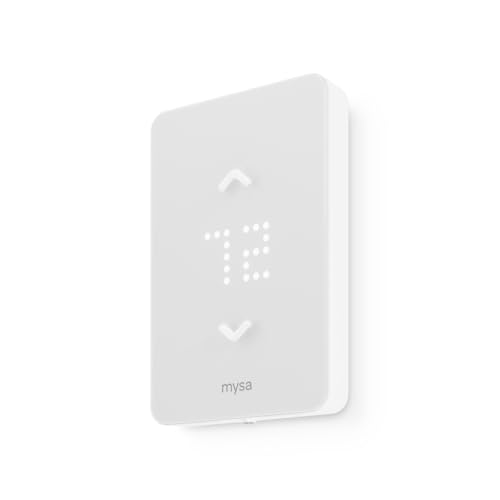
This line voltage thermostat supports 120V–240V electric baseboard and wall heaters. Its standout features include scheduling, remote control via a free app, and energy reports that help manage heating costs. It integrates with HomeKit, Alexa, and Google, enabling voice and routine-based control without ongoing subscription fees. The device is designed for easy DIY installation and provides up-to-date connectivity for modern smart homes.
Heat Storm HS-1500-PHX-WIFI Infrared Heater

Designed as a wall-mounted infrared unit, this model ships with Wi-Fi control from a smartphone, enabling easy temperature management across rooms. It includes a tip-over safety shut-off and a digital thermostat with a touch screen, plus a remote. Its compact wall-mount design preserves floor space, making it suitable for bedrooms, kitchens, offices, and other zones where style and space efficiency matter.
Mysa Smart Thermostat for 240V Baseboard Heaters

Specifically designed for high-voltage systems, this 240V model supports loads up to 3800W and requires a neutral or second live wire for proper operation. It’s compact, with adaptive display technology and brightness control to reduce glare. The device works with HomeKit, Alexa, Google, and other ecosystems, providing flexible integration for smart homes while emphasizing compatibility with older baseboard setups.
meross Smart Thermostat for Electric Baseboards

meross provides a high-voltage capable thermostat designed for electric baseboards, convectors, and related devices. It requires four wires in the electrical box to operate correctly and supports loads up to 1920W at 120V or 3840W at 240V. The thermostat is compatible with Apple Home, Alexa, Google Home, and SmartThings, enabling voice control and routine automation for efficient heating management.
GiveBest Smart Wall Heater with WiFi

This wall heater offers remote, WiFi, and touch controls, with floor or wall mounting options for flexible placement. It includes an energy-conscious ECO mode to maintain a comfortable temperature while conserving energy. The unit supports multiple heating modes and is suitable for living rooms, bedrooms, garages, and other indoor spaces, providing easy integration with smart home routines without sacrificing performance.
Buying Guide: Key Considerations for WiFi Baseboard Heaters
- Voltage and Compatibility: High-voltage (120V–240V) systems require thermostats designed for line voltage. Ensure your existing wiring includes the required four wires (including a neutral or second live) for proper thermostat operation.
- Smart Ecosystem Compatibility: Look for native support for HomeKit, Alexa, Google, or SmartThings to enable voice control and automation. Some models also offer adaptive brightness displays and energy reports to aid in energy management.
- Installation and Wiring: Some units are DIY-friendly, while others may require professional installation, especially if you’re upgrading from a non-networked baseboard system. Verify that the wall or baseboard heater is compatible with the thermostat’s load rating.
- Energy Savings Features: Schedules, occupancy-based automation, and energy reports can significantly reduce heating costs. Consider models that offer remote access through a free app with no ongoing subscriptions.
- Space and Aesthetics: Wall-mounted infrared heaters save floor space, while slim-line baseboard thermostats minimize visual impact. Choose a design that blends with room decor and positioning for even heating.
- Safety and Reliability: Look for features like tip-over protection, overheat protection, and sturdy mounting options. Infrared and convection options provide different warmth profiles—consider which fits the space best.
- Load Capacity: Confirm the thermostat supports your heater’s wattage. For 240V installations, ensure the unit can handle the maximum load without overheating the circuit.
- Future-Proofing: A thermostat with frequent firmware updates and broad ecosystem support can extend the life of your smart heating setup.