Finding the right wood-burning or wood-using heater for a garage can dramatically improve comfort during cold months. This guide highlights five standout options that integrate wood-burning or wood-sourced heat with practical features for American garages, workshops, and outdoor-adjacent spaces. Each choice balances flame aesthetics, durability, and safety, helping you choose a heater that fits your space and usage patterns.
Summary of Selected Products:
- Ashley Hearth Pedestal Wood Burning Stove
- Rayzi 58 Inch Pellet Stove (Patio/Outdoor)
- Rayzi 67 Inch Outdoor Pellet Heater
- Miaton Wood Stove Fan Heat Powered
- Dr Infrared Heater Portable Space Heater (Electric, for context in mixed spaces)
Ashley Hearth Pedestal Wood Burning Stove

Ashley Hearth offers a pedestal wood-burning stove designed to heat open living areas efficiently. With 68,000 BTUs capable of warming up to 1,200 square feet, it targets medium-to-large garages and workshop spaces. The unit features firebrick lining to support longevity and improved combustion efficiency. Its sizeable ash pan simplifies cleanup, while accepting logs up to 18 inches enhances fuel versatility. The combination of robust construction and practical maintenance makes it a solid choice where a wood-fired option is preferred for garage heating.
Rayzi 58 Inch Pellet Stove

This Rayzi model blends the look of a traditional wood-burning stove with pellet-fueled efficiency. It creates a captivating spiral flame that adds a cozy ambiance to patios, backyards, or garages used for gatherings. The stove is built with durable materials and features a long, stable base. Its 1000 mm glass piping helps produce a dynamic flame vortex, while triple-burn technology promotes clean burning and lower emissions. A 5.7-pound hopper supports extended operation, typically providing warmth for several hours between refueling, making it suitable for longer sessions in a garage workshop or outdoor space.
Rayzi 67 Inch Outdoor Pellet Heater

For larger outdoor spaces, the Rayzi 67 Inch Pellet Heater offers a taller design with 1200 mm glass piping and a robust base. This model also uses triple-burn technology for cleaner combustion and a reduced smoke profile, which is valuable when heating open or semi-enclosed outdoor areas connected to a garage. Its larger hopper capacity supports warmth extending beyond a few hours, making it suitable for longer outdoor projects, camping trips, or garden-workspaces where a consistent heat source is beneficial.
Miaton Wood Stove Fan Heat Powered

The Miaton wood stove fan is a heat-powered accessory designed to improve air circulation around a wood-burning stove. It operates without electricity by converting heat into electricity, helping to distribute warm air more evenly and potentially reducing fuel usage by maximizing heat transfer. The fan is constructed from durable anodized aluminum, resistant to high temperatures and corrosion, and includes a safety feature that limits heat transfer to the base. This accessory can complement a primary wood-burning heater by increasing perceived warmth in a garage or workshop without adding energy consumption.
Dr Infrared Heater Portable Space Heater
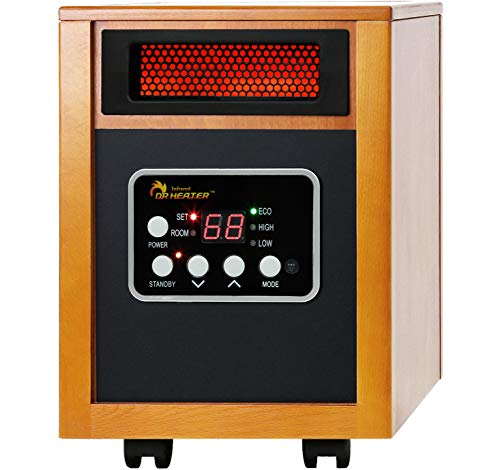
Included as a contextual reference for garages that blend wood heat with electric options, the Dr Infrared Heater offers portable space heating with infrared and PTC elements. It is not a wood-burning device, but it can be a useful companion in spaces where wood-burning units are supplemented by electric heating on milder days or when quick spot heating is required. Features include an Auto Energy Saving mode, a timer, and a remote control for convenience in a workshop setting. This model helps compare the role of different heat sources in a mixed-heating garage environment.
Buying Guide
- Heat source type: Choose between dedicated wood-burning stoves (for ambiance and fuel flexibility) and pellet stoves (cleaner burning, easier fuel handling). Consider pellet capacity and burn times for longer garage sessions.
- Heat output and space: Match BTU ratings to your garage size. Larger spaces may benefit from higher BTUs or multiple heat sources, while well-insulated spaces require less output.
- Fuel availability: Wood logs, pellets, or mixed fuels each have pros and cons. Pellets offer cleaner burning and less ash, but require a consistent pellet supply and hopper maintenance.
- Ventilation and safety: Ensure proper venting for wood and pellet stoves. Check clearance requirements, firebrick or heat shields, and ash handling features to minimize risk in a workshop.
- Durability and materials: Look for stainless or powder-coated finishes, robust bases, and glass components designed to withstand outdoor or semi-outdoor use if the heater will be placed in a garage with exposed elements.
- Maintenance access: Consider units with easy ash pans, cleanable glass, and accessible venting paths to reduce downtime and maintenance complexity in a busy garage.
- Additional features: Flame aesthetics, glass piping length for flame visualization, and integrated safety features like oxygen depletion sensors or automatic shutoffs can affect usability and safety in garage environments.
- Noise and vibration: Some pellet and wood stoves generate more noise from fans or combustion; if the garage is a workspace, consider models with quieter operation or optional fans with low decibel ratings.
- Installation practicality: Pellet stoves and small wood stoves require appropriate clearance and, in some cases, professional installation. Gas-fired options demand venting compliance and gas line safety checks.
- Cost of ownership: Factor fuel costs, maintenance, and potential chimney or venting expenses when evaluating long-term affordability.