Choosing the right blower fan for a pellet stove can improve heat distribution, reduce cold spots, and boost overall warmth in your living space. This article presents five well-reviewed heat-powered or non-electric fans designed for wood stoves, pellet stoves, and similar burners. Each section covers key features, compatibility, and practical considerations to help you compare options quickly.
Summary Of Selected Products
| Product | Brand | Key Benefit | Approximate Orientation |
|---|---|---|---|
| VODA Wood Stove Fan 8 Blades | VODA | Larger air volume for wider diffusion | Heat powered |
| JossaColar Wood Stove Fan | JossaColar | Compact, energy-efficient, aluminum blade | Heat powered |
| Easywave Wood Stove Fan (Magnetic Pipe) | Easywave | Easy magnetic mount, universal fit | Heat powered |
| Easywave Wood Stove Fan (Dual Motors) | Easywave | Higher airflow with dual heads | Heat powered |
| VODA 4-Blade Heat Powered Stove Fan | VODA | Increased warmth diffusion | Heat powered |
VODA 8-Blade Heat Powered Stove Fan
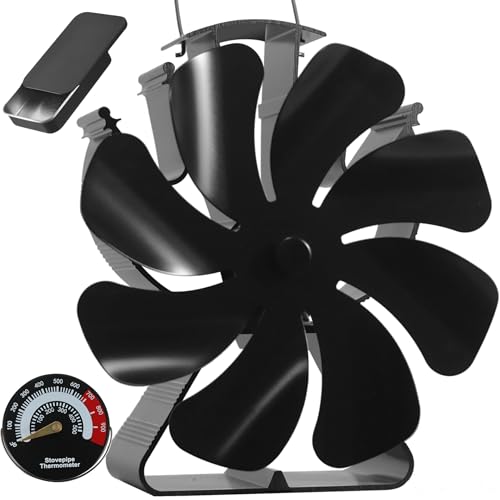
The VODA 8-Blade Wood Stove Fan is a heat-powered, non-electric solution designed to maximize warm air distribution around a room. Eight blades create a larger air volume, pushing heated air horizontally to circulate more effectively than typical single-direction fans. This model is suitable for wood burning, pellet stoves, and log burners, making the most of stove heat to warm spaces faster without electricity.
Included accessories comprise a magnetic thermometer and an aroma pod for fragrance infusion, enabling temperature monitoring and a scented ambience. A two-year warranty supports product quality, with a 30-day refund option if unsatisfied. Consider placement where heat is reliably generated to optimize performance.
JossaColar Wood Stove Fan

The JossaColar heat-powered stove fan emphasizes energy efficiency with an upgraded aluminum curved blade design, delivering improved heat distribution without electricity. The compact 6.5-inch by 7.7-inch footprint fits a range of stoves, including wood stoves and pellet burners. The package includes a magnetic thermometer for temperature tracking and a warranty covering two years, along with a 30-day refund period for buyer assurance.
Performance hinges on steady heat input and proper mounting. Users should ensure the stove top or adjacent surface reaches sufficient temperature for optimal blade rotation, and confirm compatibility with their specific stove model before purchase.
Easywave Wood Stove Fan With Magnetic Pipe

Easywave’s magnetic pipe wood stove fan uses heat from the stove to drive airflow with no external power supply. It features eco-friendly thermal recycling technology to optimize heat distribution and offers up to 30% energy savings by reducing wasted energy. The magnetic chimney pipe mount provides quick installation, and an adjustable clamp supports non-magnetic flues. A caution note advises ensuring the pipe has adequate magnetic quality for secure mounting.
This model is suitable for various stove types, including wood, coal, gas, and pellet burners, making it a flexible option for diverse heating setups. The included thermometer helps monitor temperature for best performance, while the note about pipes emphasizes verifying pipe quality prior to installation.
Easywave Dual-Motors Wood Stove Fan

Easywave’s dual-motor model enhances airflow with two heads, delivering a higher total CFM (up to 180+ CFM combined) for broader warmth distribution. The 6-blade design and thermal-powered operation prioritize energy efficiency while spreading heat more evenly across a room. The product notes highlight the 180+ CFM total airflow and a focus on eliminating cold spots, supporting faster, more consistent room heating.
As with other heat-powered fans, optimal performance depends on stable stove temperatures and proper placement. The dual-head configuration is advantageous in larger rooms or spaces with uneven heat distribution, but be mindful of the need for adequate heat source and clearance around the units.
VODA 4-Blade Heat Powered Stove Fan
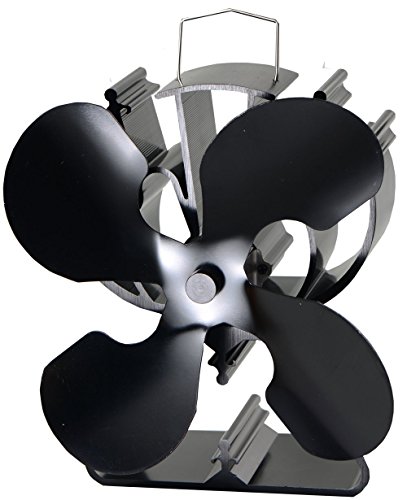
The VODA 4-Blade model emphasizes increased warm air diffusion with a design focused on utilizing stove heat to push air across a room. The fan operates without batteries or electricity, relying entirely on heat to drive movement. The claimed benefit is more efficient air circulation, helping to prevent overheating in one area while another remains cold. The design aims to reduce wood consumption by distributing heat more uniformly, potentially lowering overall fuel use.
Performance is temperature-dependent, so placement and stove output influence effectiveness. This option is a solid choice for users seeking a straightforward, low-maintenance solution to improve room warmth without extra power consumption.
Buying Guide: Key Considerations For Choosing A Pellet Stove Blower
- Power source: Most models are heat-powered (no batteries or electricity). Confirm your stove’s surface temperature range to ensure the fan will start reliably and continue rotating.
- Airflow and diffusion: Look for blade counts and dual-head designs when you need broader coverage. More blades can move more air, but placement matters for efficiency.
- Compatibility and mounting: Magnetic pipe mounts or clamp mounts are common. Check your chimney pipe material and diameter, and verify that the device can be securely attached without obstructing airflow.
- Temperature monitoring: Some models include a magnetic thermometer and fragrance pod. These add-ons help manage heat levels and personalize the environment but aren’t essential for operation.
- Warranty and support: A solid warranty (two years or more) and accessible customer service reduce long-term risk. Review return policies and support hours in case of issues.
- Room size and layout: Larger rooms may benefit from dual-head fans or higher-CFM designs. Consider ceiling height, furniture placement, and heat loss through windows or doors when sizing your solution.
- Energy efficiency: Heat-powered fans can reduce fuel use by circulating warm air more evenly. Compare claimed efficiency improvements and ensure expectations align with your stove’s heat output.
- Maintenance: Choose fans with simple cleaning access and durable blades (aluminum blades are common). Regularly inspect for dust buildup near vents and ensure the thermoelectric or kinetic mechanism remains unobstructed.
These considerations help balance performance, installation ease, and long-term reliability. When selecting a blower, match the fan’s airflow capabilities to your stove’s heat output and the room’s layout for optimal warmth and comfort.