Choosing the right digital thermostat for baseboard heaters ensures comfort, energy savings, and reliable operation. This guide focuses on line-voltage (high-voltage) thermostats that are specifically designed for baseboard and similar electric heating systems. We compare five widely compatible models, highlighting features like backlit displays, quiet operation, connectivity, and easy installation. Use the summary table below to quickly scan the core specs and match your setup.
| Product | Brand | Type | Key Benefit |
|---|---|---|---|
| Honeywell TL7235A1003 Line Volt Pro | Honeywell | Non-programmable | Electronic control with on-demand backlight |
| meross Smart Thermostat | meross | Smart, 120V-240V | Wi-Fi, voice assistants, energy saving |
| Honeywell TL8230A1003 | Honeywell | 7-day programmable | Scheduled control, quiet operation |
| Mysa Smart Thermostat LITE | Mysa | Smart, 120V-240V | App control, no subscription |
| Honeywell RLV4305A1000 | Honeywell Home | 5-2 day programmable | Accurate temperature control |
Across these options, you’ll find a mix of non-programmable and programmable units, plus smart Wi‑Fi models that support modern home ecosystems. Selection depends on whether you prioritize simple operation, scheduling, voice control, or remote access. The following sections dive into each product’s strengths and how they suit baseboard heating setups.
Honeywell TL7235A1003 Line Volt Pro Non-Programmable

The TL7235A1003 is a non-programmable, line-voltage thermostat designed for 240-volt heating systems. Features include an on-demand backlight for easy reading in low light, and a quiet, soundproof operation that minimizes the typical thermostat “click” noise. A heating indicator provides at-a-glance confirmation when heat is active, helping users verify operation without raising the thermostat’s range. This model is ideal for users who want straightforward temperature control without scheduling or smart features.
meross Smart Thermostat For Electric Baseboard Heaters

The meross smart thermostat supports high-voltage systems (120V-240V) and works with HomeKit, Alexa, and Google Home. It’s designed for baseboard, convectors, and other electric heating setups, with a less than 30-minute installation time. The device requires four or more wires in the electrical box for high-voltage operation. It supports voice control via Siri, Alexa, and Google Assistant, enabling quick temperature changes without direct interaction with the wall unit. This model is best for users seeking remote control and smart scheduling.
Honeywell TL8230A1003 Line Volt Thermostat
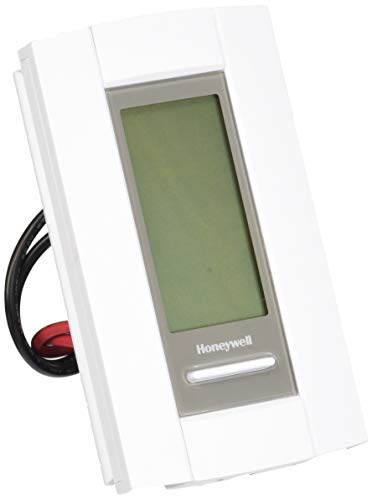
The TL8230A1003 is a 7-day programmable line-voltage thermostat for 208/240V systems. It allows users to preprogram weekly schedules to optimize energy usage, with a precision temperature control feature that can contribute to energy savings. The device uses a 4-wire configuration and is designed for quiet operation to reduce the typical baseboard heat cycling noise. It’s a solid choice for households wanting a predictable heating schedule without smart home integration.
Mysa Smart Thermostat LITE
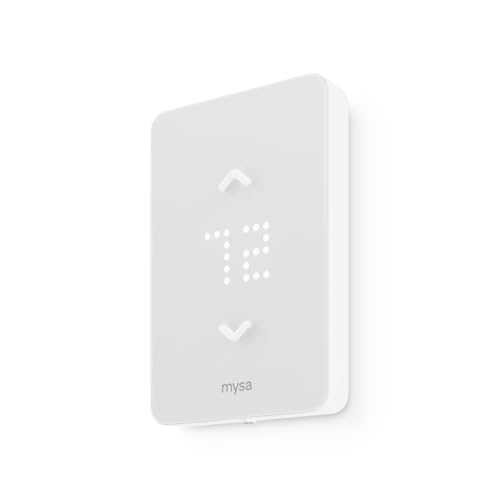
The Mysa Smart Thermostat LITE is a line-voltage solution for 120V-240V baseboard heaters, with a focus on DIY installation. It supports Apple HomeKit, Alexa, and Google via a Wi‑Fi connection, providing remote control, scheduling, and energy usage insights through a dedicated app. The unit emphasizes an affordable, subscription-free experience, making it attractive to users who want smart features without ongoing fees or a learning curve. A strong option for those who value ecosystem compatibility and cost transparency.
Honeywell RLV4305A1000 5-2 Day Programmable

The RLV4305A1000 offers a 5-2 day programmable schedule, designed specifically for electric baseboards and convectors. It features high-precision temperature control and TRIAC switching for silent operation, reducing temperature swings. This model provides reliable daily programming and energy savings without requiring smart home connectivity. It suits users who want consistent routines and accurate heating without the complexity of Wi‑Fi or voice control.
Buying Guide for Digital Thermostats For Baseboard Heaters
Selection considerations for baseboard heater thermostats vary by system, installation needs, and desired features. Below are key factors to weigh from multiple perspectives:
- Voltage compatibility: Ensure the thermostat matches your baseboard system voltage (commonly 120V, 240V, or 208/240V). Incorrect voltage can damage the device or reduce performance.
- Programmability: Non-programmable models offer simple control, while 5-2 day or 7-day programmable units enable scheduled temperatures to save energy and improve comfort.
- Smart features: If remote control or voice integration matters, consider Wi‑Fi enabled units compatible with HomeKit, Alexa, or Google Assistant. Check whether a separate app is required and if subscriptions are needed.
- Installation and wiring: High-voltage thermostats often require four or more wires. Verify compatibility with your electrical box and whether a professional installation is advisable.
- Display readability: Look for backlit displays if you frequently adjust settings in dim areas. A clear readout helps reduce misadjustments.
- Noise and cycling: Some thermostats advertise silent operation or reduced “click” sounds, which can improve comfort in bedrooms or living rooms.
- Accuracy and swing control: Temperature accuracy (for example, ±0.27°F or similar) can influence comfort and energy usage, particularly in zones with sensitive occupants.
- Reliability and build quality: Choose reputable brands that offer serviceable components and standard warranties to minimize maintenance concerns on baseboard systems.
- Future-proofing: If you foresee expanding smart home capabilities, prioritize devices with ongoing app support and compatibility with your preferred ecosystems.
For baseboard heating, prioritizing voltage compatibility and clear control logic is essential. Smart models provide ongoing energy insights and remote operation, but traditional programmable and non-programmable options offer straightforward reliability without the need for network connectivity. Consider whether you want silent operation, scheduling, or voice-enabled control, and select a model that aligns with your home’s electrical design and daily routine.