Choosing a digital thermostat for a wall-mounted heater can improve comfort and cut energy costs. This guide focuses on five reliable options that work with line-voltage and baseboard systems, offering easy controls, smart features, and robust performance. Whether you want a simple non-programmable model or a full-featured Wi‑Fi thermostat, these picks cover a range of needs and budgets, while delivering precise temperature control for American homes.
The following summary table highlights the key details of the selected products, helping you compare at a glance.
| Product | Brand | Type | Highlights |
|---|---|---|---|
| Emerson 1E78-140 | Emerson | Non-Programmable Heat Only | Easy digital display; simple single-stage control |
| Honeywell TL8230A1003 | Honeywell | 7 Day Programmable Line Volt | Energy savings; precise control; quiet operation |
| meross Smart Thermostat | meross | Wi‑Fi Programmable High Voltage | HomeKit, Alexa, Google; app control; energy reports |
| MySa Smart Thermostat Lite | Mysa | Wi‑Fi Line Voltage | Wide voltage support; remote scheduling; no subscriptions |
| Honeywell TL7235A1003 | Honeywell | Line Volt Digital Non-Programmable | Backlit display; easy read; heating indicator |
Emerson 1E78-140 Non-Programmable Thermostat

The Emerson 1E78-140 is a straightforward, non-programmable thermostat designed for single-stage heating systems. With an easy-to-read digital display and backlight, it provides reliable on/off control for wall-mounted heaters. Its simple interface is ideal for spaces where a basic thermostat is sufficient, prioritizing reliability and clear temperature readouts over advanced scheduling.
Honeywell TH1100DV1000 Pro‑Digital 2‑Wire Heat Only

The Honeywell TH1100DV1000 Pro-Digital thermostat offers a 2-wire heat-only configuration with a clear backlit display and an adjustable temperature scale from 40 to 90°F. It continuously shows ambient temperature and is designed for dependable performance in wall-heater setups where a simple, easy-to-read interface matters most.
Honeywell TL8230A1003 Line Volt Thermostat
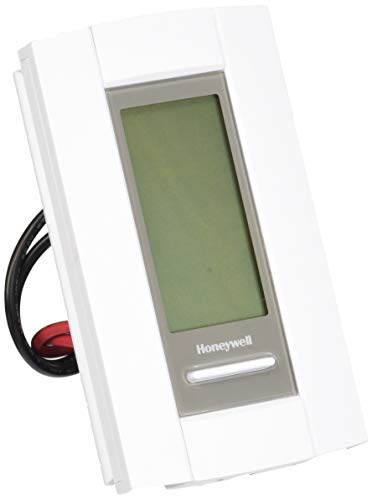
The TL8230A1003 is a 7-day programmable line-voltage thermostat built for 208/240V systems. It supports up to a 20% energy savings when following a preset schedule and features precise electronic temperature control. Its design includes a quiet, low-noise heating cycle for a comfortable living space, with a durable build well-suited for baseboard or wall-mounted heaters.
Mysa Smart Thermostat Lite
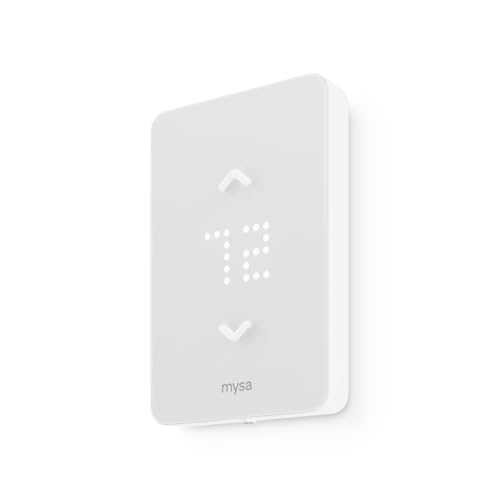
The Mysa Smart Thermostat Lite supports line-voltage heating for 120V–240V baseboard and wall heaters. It offers remote scheduling, energy usage reports, and smart integrations with Apple HomeKit, Alexa, and Google. It emphasizes a straightforward installation for high-voltage systems and provides the ability to control heating remotely via a dedicated app, with no subscription fees.
Honeywell Home CT410B Manual 4 Wire
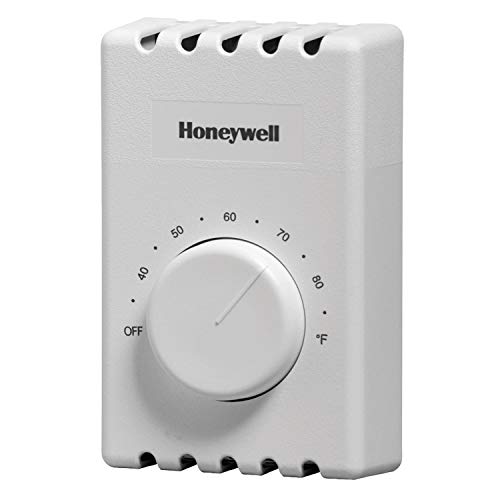
The CT410B is a non-programmable, line-voltage thermostat designed for four-wire electrical systems. It suits electric baseboards and convectors, using a simple bimetal temperature sensor for dependable operation. This model emphasizes straightforward manual control and is a common choice where a durable, no-fuss thermostat is preferred for heating zones.
Honeywell TL7235A1003 Line Volt Pro

The TL7235A1003 is a line-voltage, non-programmable digital thermostat offering an on-demand backlight for easy visibility in various lighting conditions. It includes a heating indicator that confirms when the system is active, and it aims to minimize unnecessary heat cycling by providing clear status information in a compact, wall-mounted unit.
Buying Guide: Key Purchase Considerations
Choosing the right digital thermostat for a wall heater depends on system type, wiring, and desired features. Consider the following perspectives to make an informed decision:
- System compatibility: Confirm whether your heater is line-voltage (high voltage) or low-voltage. High-voltage thermostats handle 120V–240V and are typically used with baseboards and convectors, while low-voltage models control gas or electric furnaces.
- Programmability: Programmable thermostats offer scheduled temperature changes to reduce energy use, especially during workdays or when away. Non-programmable models are simpler and often more reliable for straightforward heating control.
- Display and usability: A backlit or large digital display improves readability in dim rooms. A simple interface reduces setup time and user errors.
- Smart features: Wi‑Fi or hub-based thermostats enable remote control, energy reports, and voice integration. Ensure compatibility with your preferred ecosystem (Apple HomeKit, Alexa, Google Assistant).
- Installation considerations: Some thermostats require 2-wire or 4-wire connections; others are DIY-friendly with clear instructions. High-voltage installations may require professional assistance.
- Energy savings: Look for models with programmable schedules, temperature hold options, and reliable sensors to minimize overshoot and wasted energy.
- Reliability and longevity: Mechanical and electronic components differ across brands. Consider models with durable housings and accurate sensors for consistent performance over time.
When evaluating products, weigh the balance between ease of use and control precision. For homes seeking smart control, the meross and Mysa options provide modern features and app-based scheduling. For straightforward reliability, Emerson, Honeywell, and Honeywell Home models deliver dependable performance with clear displays and solid temperature control. Reading user reviews and checking compatibility with existing home systems can further guide your selection.