Discover top dirt and oil separators used with boilers and related liquid systems. This guide compares select products that help remove debris, reduce wear, and keep heating or processing systems running smoothly. Each option offers different capacities, materials, and design features to fit residential and commercial setups.
| Product | Brand | Key Benefit |
|---|---|---|
| NIBCO 2 SWT BR Air Separator | Webstone | Air and debris separation for hydronic boilers |
| Hvanam Stainless Steel Oil Separator | Hvanam | Multi-purpose kitchen oil separation (conceptual relevance to oil separation) |
| IVYHOME Fat Separator | IVYHOME | Grease and fat separation with bottom release |
| TBWHL Fat Skimmer Spoon | TBWHL | Fine mesh skimming and grease removal capabilities |
| LVOERTUIG Oil Separator & Filter | LVOERTUIG | Large-capacity fat/oil separation with two-way outlets |
NIBCO 2 SWT BR Air Separator

The NIBCO 2 SWT BR Air Separator, listed under Webstone, targets air removal and debris control within hydronic boiler systems. Its design emphasizes noise reduction, improved system efficiency, and reduced wear on components. This unit is suited for bolstered boiler loops where air entrainment can hinder circulation and heat transfer. Materials and fittings support integration with common piping standards, helping to maintain steady flow and extend equipment life. When used in conjunction with a compatible boiler, users typically experience smoother operation and fewer air-related maintenance events.
Key features include improved system operation through efficient entrainment removal, which can translate into lower pump head requirements and more consistent boiler temperatures. The device is designed to integrate with standard piping and offers a straightforward path for air and debris separation. It’s best selected for setups where reducing noise and wear on circulator components is a priority, particularly in larger or more active boiler loops.
Hvanam Stainless Steel Oil Separator Soup Ladle
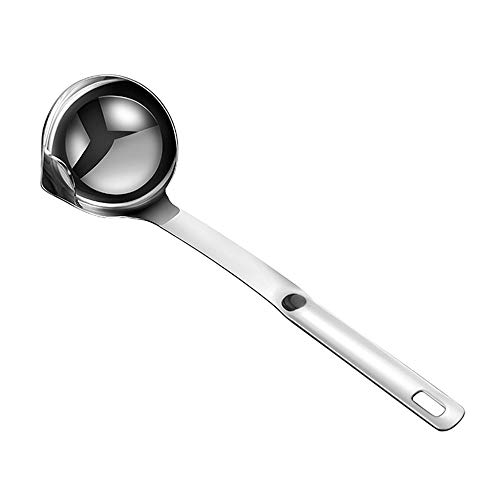
This Hvanam product presents a stainless steel oil separator concept adapted for kitchen use, offering a multipurpose spoon that can separate fat and soup residues. The design relies on density differences to keep oil separate from broth, with 304 food-grade stainless steel and a one-piece molded construction intended to be rust-resistant and ergonomic. While primarily a culinary tool, its oil separation principle—oil floating on top and the outlet below—echoes the physics involved in separating oil in other liquid systems. It illustrates how separator concepts translate across contexts, from kitchen tasks to larger boiler or processing systems that rely on phase separation.
In use, the device demonstrates the separation principle: oil remains on top while clear liquid exits through a lower outlet. The spoon’s durable construction helps resist wear from repeated use, making it a practical illustration of separator design in a compact form. This item may be best viewed as an educational or supplementary example rather than a primary boiler installation component, but the underlying separation concept remains relevant to dirt and oil management in fluid systems.
IVYHOME Fat Separator

The IVYHOME Fat Separator is a four-cup (1000 ml) plastic fat separator with a bottom-release mechanism and measuring scales on the cup. It is built from see-through Tritan material, making it easy to monitor separation progress. A silicone drip plug allows controlled discharge, and a top strainer helps capture debris before pour-off. While designed for kitchen sauces and gravies, the device demonstrates practical considerations for liquid separation: clear visibility, controlled release, and straightforward cleaning. The product’s capacity and user-friendly features make it a useful reference point for choosing compatible separator designs in fluid handling systems that require regular fat and oil separation.
Considerations for use include material durability, heat resistance, and ease of cleaning. For boiler-related applications, the concept translates into selecting a separator with robust materials, appropriate outlet design, and easy maintenance to minimize downtime. The IVYHOME model highlights how a well-designed bottom-release mechanism can simplify process control and reduce the risk of cross-contamination when handling greasy liquids or condensates.
TBWHL Fat Skimmer Spoon

The TBWHL Fat Skimmer Spoon offers a fine mesh stainless steel design intended for skimming grease and foam. A thick stainless steel construction provides durability, and the top-grade 304 stainless steel ensures rust resistance with regular cleaning. The multi-function nature makes it suitable not only for frying but also for draining and washing ingredients, as well as skimming sauces or pastes. While primarily a kitchen tool, the skimmer demonstrates important attributes for separator devices: strong filtration, reliable material choices, and ease of cleaning—factors that matter when selecting separators for boiler or processing applications that require efficient oil and debris removal from liquids.
In practice, the fine mesh and sturdy build help capture fine particles while allowing liquids to pass. When evaluating separators for boilers or hydronic systems, users can translate these design lessons into choosing products with similar filtration efficiency, corrosion resistance, and handling simplicity to support long-term maintenance and system efficiency.
1 Piece 200 Mesh Strainer (Cargen)

The Cargen 200 mesh strainer targets fine filtration tasks with a 75-micron equivalent and is designed for use with 5-inch funnels or standalone. This product illustrates the granularity possible in filtration for cooking oils, dairy, beverages, and other liquids. For boiler or industrial systems, it demonstrates the importance of selecting appropriate mesh sizes to balance filtration speed with debris capture. The see-through framing and compatibility with standard funnels add flexibility for various liquid handling tasks where dirt or sediment control is critical to maintaining flow and heat exchange efficiency.
Key notes include the trade-off between speed and filtration fidelity, the need for compatible housings, and cleaning considerations. In boiler or processing environments, this kind of grading helps decide when a finer vs. coarser mesh is appropriate for minimizing contaminants that could affect pumps and valves.
Stainless Steel Oil Separator & Filter (LVOERTUIG)

The LVOERTUIG stainless steel oil separator and filter bowl features a large 1000 ml (4 cups) capacity and a two-way outlet design. It is designed to separate oil from liquids and to function as a grinder–gravy separator or container in kitchen or processing contexts. The unit emphasizes durability and rust resistance, with dishwasher-safe properties for convenient cleaning. Its two-way outlet helps control the flow of the separated liquid, reducing the likelihood of oil reflux and enhancing filtration performance. This model demonstrates practical considerations for separator design in broader liquid handling systems, including capacity, outlet geometry, and cleanability.
Applications include separating fat from soups, gravies, and sauces, but the underlying principles—proper material selection, flow control, and ease of maintenance—are universally relevant to dirt or oil separation in boiler environments where contaminants must be managed to protect heat exchangers and pumps.
IAXSEE 5-Inch Funnel With Fine Mesh

The IAXSEE funnel is designed to minimize spills with a built-in stem and a top opening that directs liquids precisely. It includes a 200-mesh removable strainer suitable for a range of straining needs, including milks, juices, cold brew, and coffee filtration. While marketed for kitchen filtration, the combination of funnel and fine mesh exemplifies filtration control—an important consideration when selecting separator components for boiler-related tasks where precise separation and debris capture are needed to reduce fouling and maintenance frequency.
Prospective buyers should note compatibility with standard essential oil bottles and bottles, as well as the convenience of a removable filter. In broader applications, consider how such components can complement larger separators by providing pre-filtration or targeted debris capture before entry into a main separation stage.
Optimus Funnel With Gauze Filter

The Optimus Funnel with Gauze Filter emphasizes durability and domestic usability, with a crafted build designed for indoor and outdoor use in the United States. While not a dedicated boiler dirt separator, the funnel and gauze concept provides a practical reference for filtration and pre-separation steps in larger systems. The emphasis on quality materials and domestic manufacturing aligns with best practices for selecting separator components that endure routine cleaning, resist corrosion, and support reliable performance in fluid handling tasks.
When applying these ideas to boiler or hydronic contexts, focus on material compatibility (stainless steel or food-grade plastics where applicable), ease of disassembly for cleaning, and how pre-filtration can reduce the burden on main separators and strainers downstream.
Buying Guide: Key Purchase Considerations
- System compatibility: Check pipe sizes, inlet/outlet orientations, and whether the unit fits your boiler loop or processing line. For hydronic systems, ensure compatibility with standard fittings and ease of integration with existing circulators.
- Material durability: Stainless steel options offer corrosion resistance and longer life in hot, oily, or acidic environments. Plastic units can be lighter and cost-effective but may require more care in high-heat applications.
- Capacity and flow: Select a separator with sufficient capacity for your normal flow rate. Oversized units can be inefficient, while undersized units may require frequent maintenance.
- Filtration strength: Mesh sizes and filter media determine how effectively debris is captured. Finer mesh improves cleanliness but can slow flow; balance filtration efficiency with system performance.
- Ease of maintenance: Look for units with accessible outlets, clear measurement marks, and dishwasher-safe components where applicable. Regular cleaning reduces fouling and extends equipment life.
- Two-way outlets and discharge control: Some models offer bottom outlets and separate oil or debris routes. This design can minimize reflux and support safer, cleaner discharges.
- Intended use: Distinguish between kitchen-grade separators and industrial or boiler-grade devices. While kitchen tools demonstrate principles, boiler applications demand robust construction, codes compliance, and suitable pressure ratings.
- Price-to-performance: Compare initial cost against build quality, service life, and maintenance needs. A slightly higher upfront investment can reduce downtime and replacement frequency later.