Choosing a high-efficiency boiler can lower energy bills and improve home comfort. This guide highlights five top options, including wall-mounted condensing models and robust hydronic systems, to help American homeowners compare fuel types, AFUE ratings, smart features, and installation considerations. Each entry includes key features and practical notes to aid decision-making for residential heating needs.
Summary of Selected Products
| Product | Brand | Key AFUE / Efficiency Notes | Best For |
|---|---|---|---|
| Rinnai i060CN Condensing Boiler | Rinnai | High efficiency with modulating burner; smart controls | Whole-home heating and hot water |
| Solo Boiler CH 90K BTU | Rinnai | Up to 96% AFUE; smart home connectivity | Mid-to-large homes; remote monitoring |
| Solo Boiler CH 120K BTU | Rinnai | Up to 96% AFUE; Wi‑Fi + Bluetooth | Larger homes or higher load |
| Solo Boiler CH 60K BTU | Rinnai | Up to 96% AFUE; smart connectivity | Smaller to medium homes |
| Noritz NRCB180DV-NG Indoor Direct Vent | Noritz | Simultaneous DHW and heating; stable temperature | Homes needing reliable DHW |
| Hydronic Radiant Heat Control Panel | Floorheat | Preassembled, space-saving; easy install | Radiant heating retrofit or new builds |
Rinnai i060CN Condensing Boiler: Compact Whole-Home Comfort
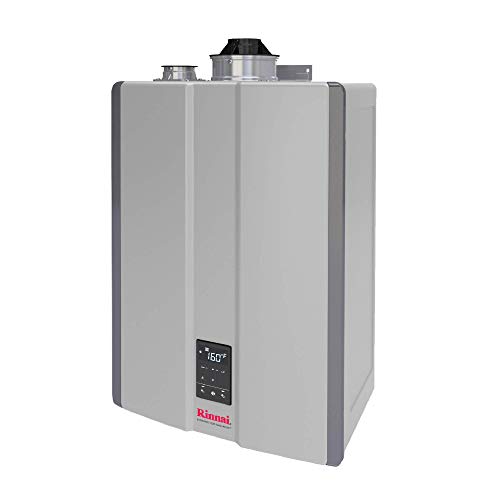
The Rinnai i060CN is a wall-mounted condensing boiler designed to heat both living spaces and domestic water. It features a stainless-steel heat exchanger with a modulating wire mesh burner and an integrated domestic hot water plate heat exchanger for showers and faucets. Multizone control enables direct connections to thermostats and circulating pumps, which can streamline system layouts in multi-zone homes. A digital main display offers temperature and pressure readings, and an outdoor reset sensor supports energy-focused setpoints. Safe operation is aided by a wall-mounted design and a child-lock feature to limit accidental activations. Temperatures can be adjusted for space heating and domestic hot water forecasts (CH 104°F–180°F; DHW 98°F–140°F).
Pros include compact footprint for tight utility spaces, strong domestic hot water output, and smart integration potential with building management systems. Consider installation costs for venting and intake, plus compatibility with existing radiators or in-floor heating. Maintenance intervals and service access should be planned to maximize efficiency over time.
Solo Boiler CH 90K BTU: Efficient, App-Ready Heating

The Solo Boiler CH 90K BTU from Rinnai emphasizes energy efficiency with up to 96% AFUE, helping lower operating costs in demanding applications. Smart Connect technology provides Wi-Fi remote access and Bluetooth connectivity via the Rinnai Central App, enabling convenient monitoring and management from anywhere. Its adaptable control design supports Smart Sense Adaptive Gas Valve technology, allowing operation with either natural gas or propane to meet various heating requirements. This model suits mid-sized homes or light commercial spaces seeking robust performance with modern connectivity for energy management and service planning.
Key considerations include ensuring a compatible smart hub and reliable network for remote access, plus confirming venting requirements and gas supply adequacy. Regular maintenance of the heat exchanger and sensors is essential to sustain efficiency gains over time.
Solo Boiler CH 120K BTU: High-Capacity, Connected Heating
The CH 120K BTU variant mirrors the efficiency and smart features of other Rinnai I-Series Plus models, delivering up to 96% AFUE. It includes Smart Connect technology with Wi-Fi remote access and Bluetooth connectivity via the Rinnai Central App. The model uses Smart Sense Adaptive Gas Valve technology to support natural gas or propane operation, adding flexibility for different homes and fuel sources. With higher output, this boiler is positioned for larger homes or spaces with elevated heating demand, while maintaining precise control over space heating and domestic hot water temperatures.
Consider the balance between initial equipment cost and ongoing energy savings, plus the availability of service technicians familiar with Rinnai’s smart ecosystem. Proper zoning and a compatible thermostat strategy can maximize the efficiency benefits.
Solo Boiler CH 60K BTU: Compact Yet Capable
The CH 60K BTU option provides another compact, energy-efficient choice with up to 96% AFUE and Smart Connect compatibility for remote access via the Rinnai App. Like its larger siblings, it uses Smart Sense Adaptive Gas Valve technology to operate on natural gas or propane, enabling flexibility for various households and fuel availability. This model is well-suited to smaller homes or zones with lighter heating loads, delivering reliable performance without over-sizing the system.
Practical decisions include whether a smaller output matches your load, how future expansion might affect your system, and the cost-effectiveness of integration with smart thermostats and zoning strategies.
Noritz NRCB180DV-NG Indoor Direct Vent: Dual-Relay Comfort
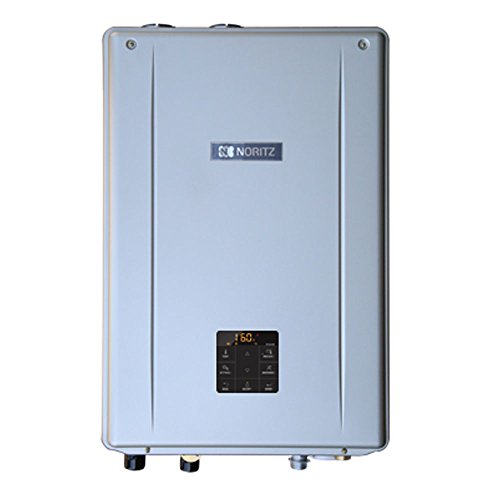
The Noritz NRCB180DV-NG is an indoor direct-vent combination boiler that offers built-in pumping and a 180,000 BTU DHW and 9.8 GPM capacity for hot water, alongside space heating capabilities. It is designed for stable domestic hot water temperatures and reliable heating performance. The standard venting configuration can be converted, which adds installation flexibility for various home layouts. This model is particularly suitable for homes needing strong domestic hot water output in conjunction with space heating, potentially reducing the need for a separate water heater.
Important considerations include venting options, the availability of proper clearances for indoor installation, and professional sizing to ensure the unit meets peak demand without oversizing. Routine service to maintain burner efficiency and vent integrity is recommended for long-term performance.
Hydronic Radiant Heat Control Panel: 1 Zone, Easy Install

The Hydronic Radiant Heat Control Panel from Floorheat is a preassembled, 1-zone solution designed for radiant floor heating and related hydronic distribution. It emphasizes direct, space-saving installation and energy-efficient operation by delivering evenly distributed heat through a compact, off-the-shelf kit. The preassembled design can reduce labor time and potential installation errors, making it a practical option for both retrofits and new builds that prioritize radiant heat comfort and efficiency.
Key considerations include compatibility with your existing piping layout, insulation levels, and thermostat control strategy. For homes prioritizing energy efficiency, radiant systems can pair well with condensing boilers that maximize the heat extracted from the fuel.
Buying Guide: Key Purchase Considerations And Comparisons
When choosing an energy-efficient home boiler, consider the following factors:
- Efficiency and fuel type: Look for high AFUE ratings (90%+ or better). Natural gas boilers are common, but propane options add flexibility in some regions.
- Load matching and sizing: Correct boiler size matters for comfort and efficiency. Oversized units waste energy; undersized units struggle under peak demand.
- Ventilation and clearances: Condensing boilers and direct-vent models require appropriate venting. Indoor installations may need additional safety clearances.
- Smart controls and zoning: Multi-zone capabilities and app-based monitoring can optimize energy use and provide convenience in managing frequencies of heating cycles.
- Domestic hot water integration: If you need DHW, choose a boiler with built-in plate heat exchangers or compatible DHW options to minimize separate heaters and space.
- Maintenance and service: Availability of technicians familiar with brands like Rinnai and Noritz matters for long-term efficiency. Regular maintenance preserves efficiency and extends life.
- Installation cost vs. long-term savings: Higher upfront costs can be offset by energy savings, rebates, and longer-term reliability. Consider total cost of ownership over 10-15 years.
- Fuel source resilience: If your area faces gas supply volatility, consider systems that can operate efficiently with available fuel and have reliable service options.
- Future upgrades: If you anticipate expanding heating needs, select a model with higher boiler capacity or modular design to support future expansion.
In residential settings, pairing a high-efficiency boiler with well-designed zoning, insulated piping, and a modern thermostat can yield the best overall energy performance. For larger homes or combined heating and hot water needs, consider models with higher output, robust DHW capabilities, and smart connectivity to manage energy use effectively across spaces.