Choosing the right gas valve is critical for safe, efficient boiler operation. This guide highlights five reliable options from trusted brands, outlining key features, compatibility, and usage scenarios. Whether you need direct ignition, pilot control, or high-capacity gas flow, the selections below cover common boiler configurations and performance needs.
The following summary table presents the highlighted products for quick comparison:
| Product | Brand | Key Features |
|---|---|---|
| Honeywell VR8200A2132 Valve | Honeywell | Genuine replacement part; manual valve; two automatic operators; servo pressure regulator; pilot adjustment |
| Honeywell VR8345M-4302 Universal 24 Vac | Honeywell | Two reducer bushings; natural/LP conversion; pressure regulator setpoint 3.5 in. wc; direct/intermittent ignition |
| Reliance WT8840B Gas Control Valve | Reliance (Resideo) | Upright mounting; 0–60°C ambient; 1/2 in. NPT inlet/outlet; regulator 5.0 in. wc; BTU capacity range |
| Rheem AP14270G Gas Control Thermostat | Rheem | Controls main gas flow; weather and water temp management; OEM genuine part |
| Robertshaw 700-506 Gas Valve | Robertshaw | Fast-opening design; 250–750 mV operation; standard NEMA terminals; high flow |
Honeywell VR8200A2132 Valve

The Honeywell VR8200A2132 valve is a genuine replacement part designed for gas-fired boilers and heating systems. It includes a manual valve, two automatic operators, a servo pressure regulator, and a pilot adjustment, enabling flexible operation and reliable ignition control. This valve supports standard boiler configurations and is suitable for technicians seeking authentic Honeywell components for maintenance or upgrades.
Honeywell VR8345M-4302 Universal 24 Vac Valve

The VR8345M-4302 is a universal 24 Vac gas valve configured for either direct ignition or intermittent pilot operation. It includes two reducer bushings and a conversion kit for natural gas to LP setups. The regulator’s setpoint is at 3.5 inches of water column, making it suitable for a range of residential and light commercial boilers needing versatile ignition options.
Reliance WT8840B Gas Control Valve
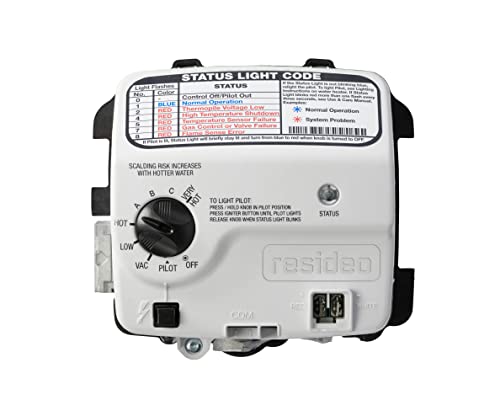
The WT8840B gas control valve from Reliance (Resideo) is designed for upright mounting and expects ambient temperatures 0–60°C. It features a 1/2 inch inlet/outlet NPT x 1/2 inch connections, inverted flare options, and a capacity range that suits modest to mid-range boilers. With a 5.0 in. wc regulator setting, it provides dependable regulation for steady boiler operation.
Rheem AP14270G Gas Control Thermostat
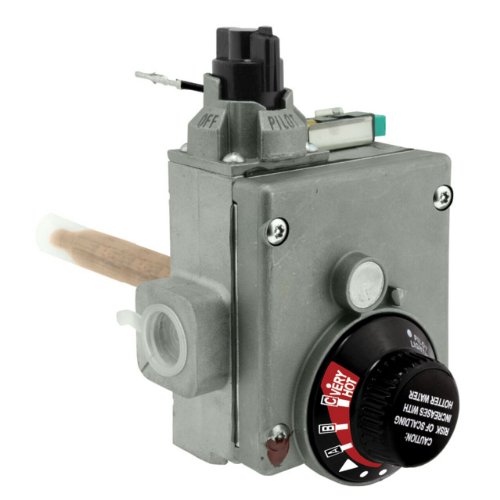
The Rheem AP14270G gas control thermostat regulates gas flow from the main supply to the burner and supports water temperature control. As an OEM genuine factory part, it’s intended for reliability and compatibility with Rheem boilers and associated gas systems, ensuring consistent performance and service life in residential heating installs.
Robertshaw 700-506 Gas Valve
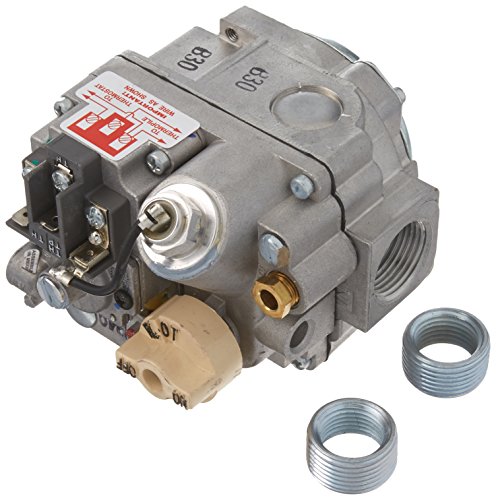
The Robertshaw 700-506 gas valve is a fast-opening valve designed for high-flow needs in boilers and associated heating equipment. It uses normally closed solenoids, standard NEMA terminals, and is compatible with several gas types. Its compact footprint makes it suitable for tight installations where space is a consideration.
Buying Guide
When selecting a gas valve for a boiler, consider the following factors to ensure safety, compatibility, and efficiency:
- Fuel type and compatibility: Confirm whether the valve supports natural gas, LP gas, or mixed fuels and whether it is suitable for your boiler’s burner configuration.
- Ignition method: Decide between direct ignition, intermittent pilot, or standing pilot, and choose a valve that supports your system’s ignition hardware.
- Voltage and electrical requirements: Match the valve’s voltage (e.g., 24 Vac, millivolt) to your control board and safety shutoff systems.
- Pressure and regulator settings: Check regulator setpoints (in wc or psi) and ensure the valve can maintain stable gas pressure for consistent burner operation.
- Mounting orientation and fittings: Verify inlet/outlet sizes, thread types (NPT, inverted flare), and mounting orientation for your boiler layout.
- Safety certifications and OEM compatibility: Prefer valves that are listed or recommended by the boiler manufacturer or trusted third-party standards to avoid voiding warranties.
- Maintenance and replacement logistics: Consider valve availability, replacement ease, and whether you need direct OEM parts or suitable aftermarket equivalents.
Different scenarios require different focuses. For a residential boiler with standard ignition, a universal or OEM replacement valve with straightforward installation is often ideal. For systems requiring higher BTU throughput or specialized gas types, a fast-opening valve with robust pressure regulation capabilities may be preferable. Always follow local codes and, if in doubt, consult a licensed HVAC technician.