Traveling in a camper or trailer means dealing with variable climates. This guide highlights five reliable space heaters suited for camper trailers, focusing on safety, energy efficiency, and portability. Each option offers different heat outputs and control features to help you stay cozy without overloading electrical systems.
Summary table of selected products:
| Product | Brand | Key Benefit |
|---|---|---|
| Dreo Space Heater, 1500W | Dreo | Fast, balanced heat with safety features and ECO mode |
| GiveBest Portable Electric Space Heater | GiveBest | Dual heat levels with thermostat and safety shutoff |
| 9,000 BTU Portable Buddy Radiant Heater | Mr. Heater | High-output radiant heat for mid-sized spaces |
| Mr. Heater F232017 MH9BXRV Buddy | Mr. Heater | Indoor/outdoor versatility with auto shut-off and safety features |
| VEVOR 8KW Diesel Heater | VEVOR | Diesel parking heater with app control and altitude compensation |
Dreo Space Heater For Campers
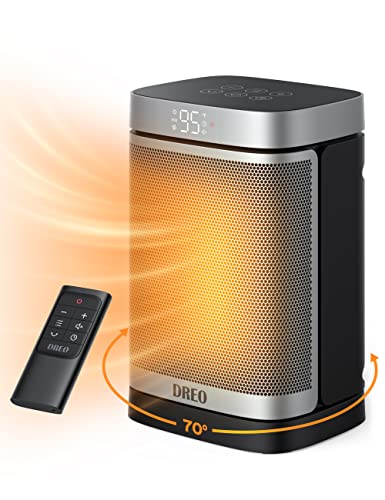
The Dreo Space Heater provides rapid heating with 1500W power and advanced heat technology. It includes Shield360° protection to guard against tip-overs and overheating, plus a flame-retardant outer shell for added safety in compact living spaces. An ECO mode helps conserve energy by automatically adjusting heat to reach the desired comfort level, while a digital thermostat allows precise settings from 41 to 95 ℉ in 1 ℉ increments. This makes it suitable for small-to-medium camper interiors where quiet operation and reliable warmth matter.
GiveBest Portable Electric Space Heater

The GiveBest heater offers two heat levels, 1500W or 750W, plus a cool-air setting. Thermostat control turns the unit off when the target temperature is reached and back on when it drops, cycling to maintain comfort. A flame-retardant shell and automatic shutoff provide safety against overheating or tipping. Its compact build and built-in handle make it well-suited for tight camper spaces where you want warmth without adding bulk or high energy draws. The unit’s corridor-style design makes it easy to pull close to a seating area or desk in a trailer.
9,000 BTU Portable Buddy Radiant Heater

This Mr. Heater model delivers radiant heat in 4,000 or 9,000 BTU per hour, making it effective for warming small-to-mid-sized spaces. It is designed for indoor and outdoor use and provides targeted warmth quickly. In an RV or camper, radiant heat helps compensate for drafty areas like wheel wells or entryways. It is important to monitor ventilation when using fuel-burning heaters in enclosed trailers, and to follow all safety guidelines for outdoor-style units operated indoors.
Mr. Heater F232017 MH9BXRV Buddy Grey
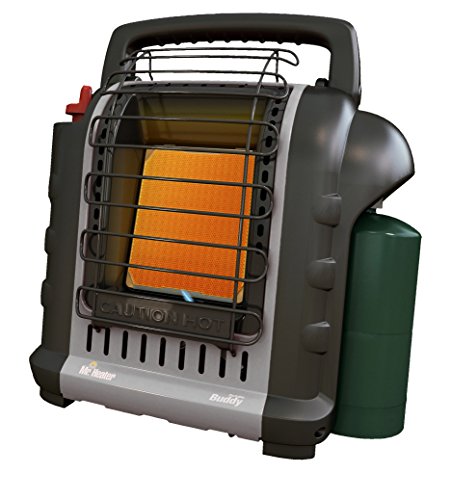
The MH9BXRV Buddy is a compact, portable radiant heater rated from 4,000 to 9,000 BTU, suitable for spaces up to about 225 square feet. It is approved for indoor and outdoor use and features auto shut-off if tipped, pilot issues, or low oxygen is detected. While ideal for RV entries and portable camping setups, users should ensure adequate ventilation and follow manufacturer safety instructions when heating unoccupied spaces or areas with limited airflow.
VEVOR 8KW Diesel Heater

The VEVOR 8KW Diesel Heater is a diesel-powered parking heater with Bluetooth app control and remote. It includes an LCD display and altitude compensation up to 18,045 feet, enabling rapid preheating for camper interiors at high elevation. This unit is designed to deliver consistent warmth in larger trailers and vehicles, with a focus on quick heat, controlled operation, and flexible control options. Low-noise operation and a durable build are highlighted, making it a strong option for users seeking robust mobile heating power.
Buying Guide: Key Considerations For Camper Trailer Heaters
- Heat source and safety: Heater types range from electric ceramic and radiant heaters to diesel parking heaters. Electric units are quiet and easy to use but can strain campground power supplies. Fuel-powered heaters deliver strong warmth but require ventilation and ongoing safety checks. Look for tip-over protection, overheat shutoff, and certifications (ETL, UL) for safer operation in tight spaces.
- Space and heat output: Match the heater’s BTU or wattage to your trailer size. Small trailers may be comfortable with 1500W electric units, while mid-to-large campers might benefit from higher-output options or diesel heaters that can maintain warmth during cold nights.
- Ventilation and indoor use: Fuel-fired heaters should be used with proper ventilation to avoid carbon monoxide buildup. Some models are designed for indoor/outdoor use but still require adequate airflow and compliance with trailer manufacturer guidelines.
- Control and convenience: Thermostats, digital displays, remote controls, and Bluetooth apps add convenience for maintaining a steady temperature. ECO modes and smart control features help manage energy consumption during extended stays.
- Installation and portability: Consider weight, size, and mounting options. Some heaters are designed to sit on a floor or be placed near seating areas, while others are more suited to fixed installs. Check power requirements and compatibility with your trailer’s electrical system.
- Reliability and maintenance: Look for reputable brands with robust customer support. Read user reviews about reliability, noise levels, and maintenance needs, especially for diesel or propane-based systems exposed to travel vibrations and varying temperatures.
- Vent safety and exhaust management: Diesel and other fuel heaters require proper exhaust routing and heat shielding to prevent heat damage to walls and fixtures. Ensure the installation follows vehicle-specific guidelines.
- Budget and energy efficiency: Electric heaters cost less upfront but can raise electricity usage. Diesel heaters offer long-range heating with good efficiency but involve higher initial costs and fuel planning. Consider total cost of ownership for your travel pattern.