When cold weather threatens exposed plumbing, reliable heating cables provide peace of mind. This guide highlights top-rated pipe heating cables, covering self-regulating designs, safety certifications, and installation tips. Learn how to choose the right length, wattage, and material for metal or plastic pipes, plus practical buying considerations to compare options across brands.
| Product | Brand | Length | Watts per Foot | Key Benefit |
|---|---|---|---|---|
| HEATIT 40ft Self-Regulating Heating Cable | HEATIT | 40 ft | 3 W/ft | Energy-saving, maintains flow to -40°F |
| HEATIT HISD 6ft, 7 W/ft | HEATIT | 6 ft | 7 W/ft | CSA & ETL certified, built-in thermostat |
| Frost King HC6A, 6 ft | Frost King | 6 ft | 7 W/ft | Reliable freeze protection for metal/plastic |
| Frost King HC3A, 3 ft | Frost King | 3 ft | 7 W/ft | Compact option for short runs |
| VEVOR Self-Regulating, 18 ft | VEVOR | 18 ft | 5 W/ft | Built-in thermostat, CE/IP68 rated |
HEATIT 40ft Self-Regulating Heating Cable

The HEATIT 40ft piping heat tape uses a self-regulating design delivering energy efficiency with steady protection for water pipes. It maintains water flow down to -40°F and includes a 2 ft power cord. The system is suitable for various pipe materials, and the 40-foot length covers standard external runs or longer installations. This option is well-suited for exterior pipes, basements, and crawlspaces where cold exposure is a concern.
Features include self-regulating elements that adapt heat output to ambient conditions, helping to reduce electricity use while preventing freezing. It comes with clear installation guidelines and is compatible with metal and plastic pipes. For safety-conscious buyers, ensure full certification and proper grounding during installation.
HEATIT HISD 6ft, 7W/ft

This 6-foot HEATIT HISD cable emphasizes safety with CSA and ETL certifications. It features a built-in thermostat and a 2-foot power cord, turning on at 37°F and off at 50°F. The cable protects both metal and plastic water pipes from freezing, making it a practical choice for shorter runs or where space is limited. The warranty considerations and comprehensive certifications provide confidence for North American installations.
Its 7 W/ft rating delivers robust heat when needed, while the self-regulating core helps balance energy use against outdoor temperature. The kit’s overall design aims to minimize installation complexity for homeowners and professionals alike.
Frost King HC6A Automatic Heat Kit
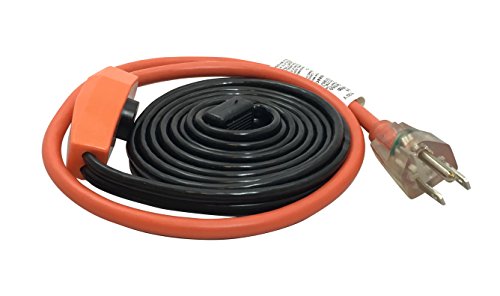
The Frost King HC6A kit provides 6 feet of 7 W/ft heat tape designed for both metal and plastic pipes. It’s a straightforward solution for medium-length runs around exterior pipes, basements, and crawlspaces. Its automatic heating mechanism helps ensure stable protection against freezing without continuous manual adjustment. The kit typically includes a grounded plug and simple installation steps, making it accessible for DIY projects and professional setups alike.
For installations in harsher climates, pairing with proper insulation around heat cables can improve efficiency. As with all heating tapes, ensure the entire length is rated for plumbing use and fully certified where applicable.
Frost King HC3A Automatic Heat Kit

The Frost King HC3A 3-foot kit offers compact, budget-friendly pipe protection. With 3 ft of 7 W/ft heat output, it is suitable for short pipe sections or tighter spaces where longer cables don’t fit. It keeps water flowing in low temperatures and works with metal and plastic pipes alike. This option is ideal for small gaps near taps, small exterior pipe runs, or dormer vents where reduced length is necessary.
As a smaller footprint solution, it may require careful planning to ensure full coverage of vulnerable pipe sections. Compatibility with existing insulation and the environment of use should be considered to maximize effectiveness.
VEVOR 18‑Ft Self-Regulating Heat Tape

The VEVOR 18-foot self-regulating heating cable provides longer coverage for exterior pipes, basements, or long runs along outdoor walls. It features a built-in thermostat with automatic on/off control and IP68-rated robustness for challenging environments. The 5 W/ft rating balances energy use with effective freeze protection for pipes, whether metal or plastic. Its CE certification adds assurance for safety standards in North America and beyond.
This option is well-suited for longer installations where a single length can cover multiple exposed sections. Users should confirm compatibility with their pipe material and ensure the cable is properly secured to prevent movement or damage in windy or snowy conditions.
Buying Guide: Key Purchase Considerations
When selecting heating cables for pipes, consider the following factors to tailor the choice to your situation:
- Pipe material compatibility: Verify the cable is rated for both metal and plastic pipes if your system includes mixed materials.
- Length and coverage: Measure exposed pipe sections and plan for extra length to cover transitions, elbows, and valves.
- Wattage per foot: Higher watts per foot offer faster response and stronger protection in extremely cold climates, but consume more energy. Self-regulating cables adjust output to ambient temperature, improving efficiency.
- Temperature protection range: Look for a system that protects down to at least -40°F (-40°C) to handle severe winters in many American regions.
- Certifications: Prioritize ETL, CSA, and UL certifications for safety and quality. For some products, full cable certification matters more than just a plug.
- Thermostat features: Built-in thermostats simplify installation and maintain consistent temperatures. Check setpoint ranges and turning-on/off temperatures.
- Installation environment: Outdoor exposure, wet locations, or exposed basements require IP ratings and sealed connections.
- Installation length: Longer runs can reduce the number of connections but may complicate routing around obstacles.
- Warranty and safety: Review warranty terms and liability coverage to ensure long-term reliability and support.
- Ease of use: Pre-assembled kits with plugs, built-in thermostats, and clear instructions reduce setup time and error risk.
For best results, follow manufacturer installation instructions and local electrical codes. If in doubt, consult a licensed electrician, especially for exterior or main water line applications. Regular inspection and maintenance help ensure the system remains effective through multiple winters.