Keeping air conditioner lines well insulated protects efficiency, prevents condensation, and reduces energy waste. This guide reviews five well-rated insulation products for outdoor and indoor pipe runs, highlighting how each option helps curb heat loss, protect against freezing, and extend pipe life. The selections cover foam tube covers, outdoor sleeves, and flexible tape that adapts to tight bends and unusual configurations.
Summary of chosen products
| Product | Brand | Key Benefit |
|---|---|---|
| Duck Brand Foam Pipe Covers | Duck Brand | Pre-slit, self-sealing edges for easy install on curved pipes |
| Outdoor HVAC Copper Pipe Insulation Cover | Kanosan | Three-layer outdoor protection for extreme weather |
| XFasten Foam Pipe Insulation Tape | XFasten | Extreme adhesion and long-lasting weather resistance |
| Nkiy Quen 3 Layers HVAC Copper Pipe Insulation Cover | Nkiy Quen | Three-layer design with outer Oxford, pearl cotton, and foil |
| CrsaSwivo AC Line Insulation | CrsaSwivo | Three-layer wrap with adjustable straps for outdoor ducts |
Duck Brand Foam Pipe Covers For Quick Insulation

Duck Brand insulation foam pipe sticks are designed for both hot and cold water lines. They come pre-slit for easy installation on curved pipes, and the self-sealing edges help secure the strip without extra tape. They are suitable for indoor pipes and HVAC runs, with a temperature tolerance up to 212 F. This option offers a straightforward solution for modest insulation needs and quick winterization or summer sweating prevention.
When using Duck Brand foam, measure pipe diameter and length to determine how many sticks are needed. The 0.75 inch by 1 foot sticks deliver compact coverage for small to mid-sized lines and can be combined to cover longer runs. They are best for homeowners seeking fast, tool-free installation and reliable moisture resistance in typical indoor environments.
Outdoor HVAC Copper Pipe Insulation Cover

This outdoor insulation sleeve from Kanosan uses a three-layer design: a waterproof 600D Oxford outer shell, a soft pearl cotton core, and a foil inner layer. The combination guards copper lines from sun exposure, freezing conditions, and mechanical wear. Its contact-type fasteners enable easy installation, removal, and reuse, making it a practical choice for outdoor units and long pipe runs exposed to weather. The 72×10.2 inch size fits many common outdoor configurations, offering a robust protective layer against moisture and temperature swings.
Consider this option when insulating exposed outdoor lines or central air system runs that extend outside walls. The aluminum foil inner layer helps reflect radiant heat, while the outer shell resists UV damage. It’s well suited for permanent installations where weatherproofing and durability are priorities, and it pairs well with other insulation layers if needed for extreme climates.
XFasten Foam Pipe Insulation Tape

XFasten insulation tape offers high-strength adhesion and strong weather resistance. It features a tensile strength of about 100 lbs per inch and claims a 25-year lifespan under harsh conditions. The tape’s low thermal conductivity helps minimize energy loss and prevent frosting along outdoor line sets. It’s particularly useful for wrapping irregular bends or tight spaces where traditional foam sleeves may not fit well. The tape is designed to withstand repeated flexing without tearing, making it suitable for long outdoor runs that require frequent movement or adjustment.
For outdoor or exposed lines, this tape provides a durable alternative to bulkier sleeves. It can be used in combination with foam tubes or as a primary wrap in areas with limited clearance. Users should ensure clean, dry surfaces before application and consider temperature ratings for optimal bonding and insulation performance in their climate zone.
Nkiy Quen 3 Layers HVAC Copper Pipe Insulation Cover

Nkiy Quen’s outdoor insulation sleeve uses a 3-layer structure: a waterproof 600D Oxford outer layer, a soft pearl cotton middle, and an inner aluminum foil layer. This design aims to protect copper piping from sun exposure and freezing temperatures while maintaining flexibility for irregular routes. It’s UV and weather resistant and meets standards for air and water permeability, helping keep lines insulated without trapping moisture inside the wrap. The exterior fabric is designed to withstand outdoor conditions, making it suitable for long-term outdoor installations.
Ideal for ducts and exposed line sets on houses or commercial buildings, this sleeve offers a balance of durability and ease of installation. The dimensions accommodate most typical outdoor runs, and the three-layer system helps reduce thermal losses as well as condensation on humid days. It pairs well with central AC and mini-split configurations that extend beyond walls into outdoor spaces.
CrsaSwivo AC Line Insulation Wrap
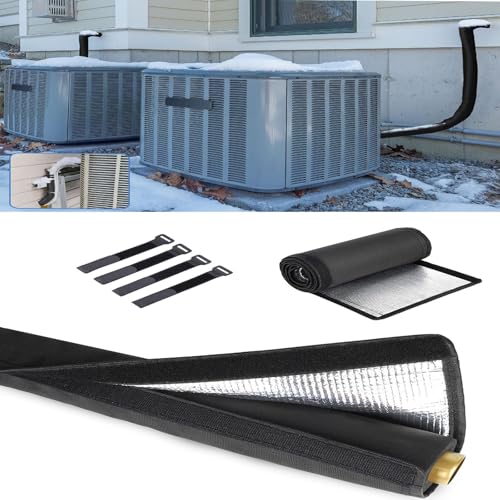
CrsaSwivo offers a three-layer outdoor insulation wrap designed for AC line runs. Its outer Oxford cloth, pearl cotton core, and aluminum foil inner layer work together to reduce heat loss in summer and condensation in winter. The wrap measures about 78.74 inches by 11.81 inches and includes four adjustable nylon straps to fit ducts with outer diameters under 11.8 inches. AWeather-resistant build and durable elastic properties help extend the life of the line sets in harsh environments. This option emphasizes a loose-fit yet secure wrap that adapts to various duct specifications.
For homeowners needing a longer, easily adjustable solution that tolerates outdoor exposure, CrsaSwivo’s wrap provides a practical choice. The adjustable straps simplify installation without specialized tools, and the three-layer construction helps maintain system efficiency across seasons. It’s particularly suitable for longer outdoor runs and centralized outdoor units where a full sleeve might be impractical.
Buying Guide: Key purchase considerations
When shopping for insulation for AC pipes, consider the following factors to choose the best option for your setup:
- Location and exposure: Indoor pipes usually require simpler foam sleeves, while outdoor runs demand weatherproof, UV-resistant sleeves or tapes.
- Pipe size and length: Measure diameter and total length to determine whether pre-cut foam sticks, full sleeves, or wrap tape is most cost-effective and practical.
- Thermal performance: Look for low thermal conductivity and multi-layer designs that minimize heat transfer and condensation, especially for copper refrigerant lines.
- Durability and climate: In extreme climates, prioritize outdoor-rated materials like 600D Oxford fabric, foil liners, and reinforced edges with weatherproof fasteners.
- Ease of installation: Pre-slit foam, self-sealing edges, and adjustable straps reduce installation time and improve seal integrity on irregular routes.
- Maintenance and reusability: Consider whether the insulation can be easily removed for access, repaired, or reused across seasons.
- Cost and coverage: Compare price per foot or per kit, noting whether a single wrap or multiple pieces provide better coverage for long runs.
In practice, a layered approach often yields the best results: an outdoor sleeve for the exposed portion, complemented by foam pipe covers or bend-friendly tape where space is limited. For DIY enthusiasts, starting with a pre-slit foam product for indoor sections and adding a weatherproof wrap for outdoor segments can balance ease and protection. For more complex installations, combination use of multiple products may deliver optimal insulation and long-term reliability.