Keeping heating pipes properly insulated reduces heat loss, prevents freezing, and lowers energy bills. This guide highlights top insulation solutions for both indoor and outdoor pipes, drawing from multiple materials such as foil-backed wraps, foam tubing, and heat blankets. Each product section provides practical details to help you compare options and choose the right fit for your needs.
| Product | Brand | Key Benefit |
|---|---|---|
| Frost King Foil Backed Fiberglass Pipe Wrap | Frost King | Durable wrap for hot or cold pipes |
| Duck Brand Foam Pipe Covers | Duck Brand | Pre-slit, easy install on curved pipes |
| Wazitin 10 Pcs Pipe Insulation Foam Tube | Wazitin | Versatile kit for year-round protection |
| OXWIND Water Pipe Heat Blanket | OXWIND | Extended cord, multi-layer insulation |
| K-FLEX Pipe Insulation | K-FLEX | High-coverage rubber/foam insulation |
Note: Each option below is designed to minimize heat loss, guard against freezing, and increase efficiency. Consider pipe size, location, climate, and installation ease when selecting a product.
Frost King Foil Backed Pipe Wrap
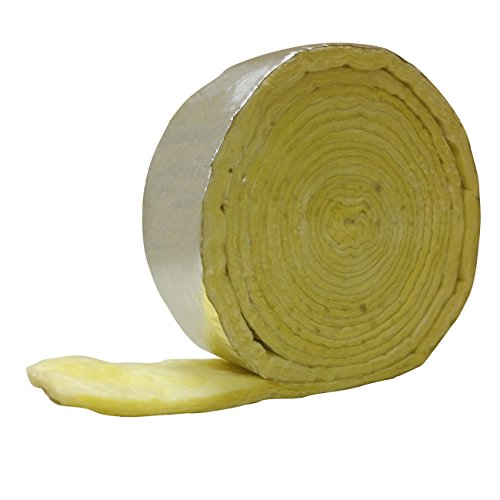
The Frost King Foil Backed Fiberglass Pipe Wrap is a durable choice for insulating various pipes. It features foil-backed fiberglass construction that provides a protective barrier against heat loss while resisting moisture. The wrap is described as easy to handle and install, making it suitable for DIY projects. Its manufacturing origin is listed as China, a detail some buyers consider when evaluating sourcing. This option emphasizes straightforward installation and reliable performance, particularly in regions facing cold winters where preventing pipe freezing is essential.
Key considerations:
- Material: Foil-backed fiberglass offers structural rigidity and rudimentary moisture resistance.
- Applications: Suitable for hot and cold piping, with a focus on durability and ease of use.
- Installation: Designed for simple handling, aiding faster setup in utility rooms or basements.
Duck Brand Foam Pipe Covers

Duck Brand Foam Pipe Covers are pre-slit foam tubes with self-sealing edges for quick installation on curved pipes. They’re designed to insulate both hot and cold water lines and help prevent winter freezing and summer sweating. The product is rated for temperatures up to 212°F, which covers typical household hot water and heating systems. The edge-seal feature simplifies securing the insulation, reducing installation time and improving evenness of coverage around bends and joints.
Key considerations:
- Intended use: Pre-slit, self-sealing edge, ideal for curved or irregular sections.
- Temperature tolerance: Suitable for standard home piping up to 212°F.
- Coverage: Flexible foam tubing designed for both hot and cold lines.
Wazitin 10 Pcs Pipe Insulation Foam Tube

The Wazitin 10-piece insulation kit provides a versatile set of foam pipe covers designed for winter protection and summer insulation. Each tube offers a length of about 1.31 feet, with a diameter suitable for smaller piping. The kit uses a combination of neoprene foam and aluminum film, which is water-, oil-, and corrosion-proof, aimed at long-term resistance to environmental conditions. The self-adhesive capability and cross-linking materials help secure a tight fit on straight and curved sections alike, reducing heat exchange and freeze risk.
Key considerations:
- Materials: Neoprene foam with fiberglass aluminum film offers moisture resistance and durability.
- Fit and sizing: Designed for smaller pipes; lengths can be trimmed to fit longer runs.
- Durability: Reusable and protective against weather and impact.
OXWIND Water Pipe Heat Blanket

The OXWIND Water Pipe Heat Blanket offers an extended cord length for flexible placement near power outlets, reducing the need for additional extension cords. The blanket features multi-layer insulation with aluminum foil lining and a waterproof flannelette exterior, designed to retain heat while withstanding outdoor conditions. It maintains temperatures up to 140°F and is rated for safety against overheating, providing a practical solution for exterior pipes in cold climates. The 110V US plug ensures compatibility with standard household outlets.
Key considerations:
- Cord length: Longer cord improves placement options and reduces extension needs.
- Insulation design: Multi-layer build with foil lining enhances heat retention.
- Safety: Overheat protection helps prevent damage to pipes and blankets.
Amylove Foam Pipe Insulation (24 Pieces)

The Amylove foam pipe insulation kit includes 24 black foam tubes designed for outdoor and pool piping protection. Each piece measures about 3.28 feet in length with a 1/2 inch inner diameter fit, making the set suitable for multiple uses around the home. The foam is described as fireproof and thermally insulating, offering resilience against impact and wear over time. The set provides high quantity for replacements or broader application across an estate or workshop.
Key considerations:
- Quantity: 24 pieces for broad coverage across different pipes.
- Fit: Designed for 1/2 inch piping, with long lengths that can be trimmed as needed.
- Material benefits: Durable, fire-resistant foam with good elasticity.
K-FLEX 1-1/2″ Pipe Insulation
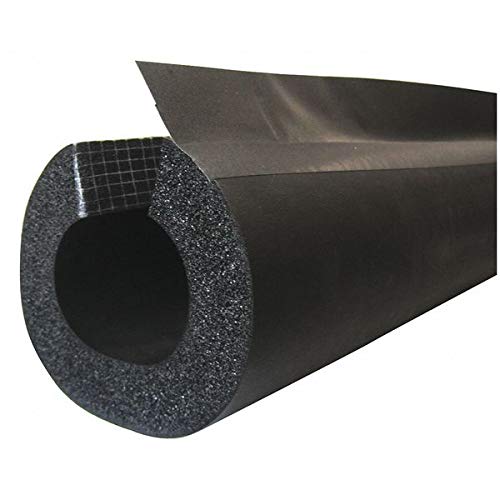
The K-FLEX 1-1/2″ pipe insulation provides substantial coverage with a thickness adequate for heat retention and temperature control. This product is designed for insulating pipes to prevent heat loss or gain, addressing both energy efficiency and protection from environmental temperature swings. It’s described as a top-brand option, suggesting strong performance standards and broad compatibility across different pipe materials and installation scenarios.
Key considerations:
- Coverage: Thick insulation suitable for larger-diameter pipes.
- Material: Rubber or polyethylene foam, chosen for durability and thermal performance.
- Use cases: Broad suitability for various plumbing and HVAC piping projects.
Buying Guide: Key Purchase Considerations And Comparisons
When selecting pipe insulation, buyers should weigh several factors to optimize energy savings and protection against freezing. This guide outlines important considerations and how to compare options.
-
<liPiping size and shape: Measure inner diameter and pipe section length. Some products are pre-slit for easy installation, while others require manual cutting to fit irregular shapes.
- Material properties: Foam cores offer flexibility and quick coverage, while foil-backed wraps provide more rigid protection and moisture resistance. Multi-layer heat blankets suit outdoor use where extended cords and higher heat retention are beneficial.
- Temperature range: Ensure the insulation withstands typical household temperatures, hot water lines, and outdoor weather without degradation.
- Installation ease: Pre-slit designs with self-sealing edges save time and reduce installation errors, essential for DIY projects.
<liDurability vs. cost: Reusable foam and durable fiberglass or rubber insulation may have higher upfront costs but deliver longer-term savings through reduced heat loss and fewer replacements.
<liSafety and certifications: Look for fire ratings and safety features on products intended for living spaces or enclosed areas.
<liClimate considerations: Outdoor pipes require weatherproofing against moisture and UV exposure; indoor pipes benefit most from moisture barriers and thermal resistance.
<liInstallation location: Access and mounting possibilities influence product choice—basements, crawl spaces, attics, and exterior walls each have distinct considerations.
<liMaintenance: Some materials resist moisture and mildew, while others may require periodic inspection for wear or gaps around joints.
Additional Guidance For Different Scenarios
Cold climates with frequent freeze-thaw cycles benefit from robust insulation on exterior pipes and water lines in unheated spaces. Foam pipe covers are often easiest for retrofit projects, while foil-backed wraps can provide robust protection for longer runs in mechanical rooms. For DIY homeowners needing quick, heat-saving solutions, pre-slit foam or self-sealing edge designs help ensure a tight seal around bends and joints. In businesses or larger homes, multi-piece kits and heat blankets may provide broader coverage with higher efficiency above standard insulation.
Always verify compatibility with your specific pipe material, temperature exposure, and local building codes. When in doubt, consult a professional to ensure that insulation meets safety standards and provides the intended energy savings.