Low profile roof vents combine compact design with strong airflow to improve attic and appliance venting without protruding from the roofline. This guide reviews five high‑value options, highlighting performance, durability, and installation considerations to help homeowners and RV owners choose the right vent for their needs.
| Product | Brand | Key Benefit |
|---|---|---|
| InOvate DryerJack Low Profile Roof Vent | DryerJack | High airflow with easy cleaning |
| DryerJack Low Profile Roof Vent with The RoofNeck (Brown) | DryerJack | Enhanced protection and access |
| Camco 40421 Aero-Flo Roof Vent Cover | Camco | 30% more open vent area, high flow |
| Livpow RV Roof Vent | Livpow | Compatible with common 14″ x 14″ openings |
| MAXXAIR Maxx I+ Vent Cover for RV Roof Vents | MAXXAIR | Zero-leak protection, updated design |
Choosing a low profile roof vent involves balancing airflow, weather protection, and ease of maintenance. The products below emphasize compact height, unobtrusive appearance, and reliable operation under typical conditions in residential roofs and RV installations. Review the features, materials, and installation considerations to determine which option best fits your system.
InOvate DryerJack Low Profile Roof Vent

- Brand: DryerJack
- Maximum air flow: Efficient curved damper and generous vent opening support strong exhaust flow for dryers and vents.
- Protection from elements: Curved damper housing and seamless hood minimize rain and pest intrusion while closed.
- Maintenance: Accessible design supports thorough cleaning without extra tools.
The InOvate DryerJack emphasizes airflow efficiency and practical cleaning access. Its curved damper and open vent area are designed to deliver robust performance while maintaining a low profile on most roof profiles. This model suits homes or workshops where dryer exhaust needs reliable, consistent venting with straightforward maintenance.
DryerJack Low Profile Roof Vent With The RoofNeck (Brown)
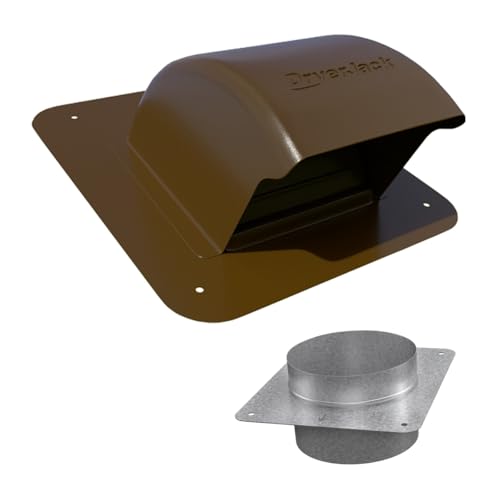
- Brand: DryerJack
- Meets Building Codes: IMC 504 and IRC 1502.3 compliance for installations.
- Damper design: Patented curved damper and larger vent opening provide superior airflow efficiency.
- Intrusion protection: Curved damper and hood design resist birds, rodents, and rain.
This Brown RoofNeck version focuses on intrusion protection and airflow with a design intended for durable, long-term performance in challenging climates. The low profile helps blend with many roof lines while still offering good exhaust capacity for dryers or attic vents combined with roof applications.
Camco Aero-Flo Roof Vent Cover (White)

- Brand: Camco
- Vent area: Offers 30% more open vent area than other brands, contributing to higher airflow.
- Mounting: Includes hardware and mounts to standard 14″ x 14″ openings.
- Function: Enables high-flow fresh air ventilation while admitting light into applicable spaces, such as RV interiors.
The Camco Aero-Flo cover focuses on maximizing vent area while maintaining a simple installation. While not a full low-profile vent by itself, it complements low-profile installations by reducing drag and allowing freer airflow in RV and travel trailer roof vents. It’s a practical option when you need better ventilation without altering the roof’s silhouette dramatically.
MAXXAIR Maxx I+ Vent Cover for RV Roof Vents

- Brand: MAXXAIR
- Design: Sleek, updated look with modern materials for improved aesthetics and durability.
- Compatibility: Designed to fit many popular 14″ x 14″ RV roof vents, offering broad versatility.
- Leak protection: Zero-leak protection helps prevent water intrusion into the vent system and interior spaces.
The Maxx I+ Vent Cover emphasizes a contemporary aesthetic combined with reliability. It’s built to fit common RV vent openings while providing robust weather sealing. This option is suitable for RV owners who prioritize a clean exterior profile, reduced water entry risk, and straightforward installation with multiple vent types.
DryerJack Low Profile Roof Vent with The RoofNeck Mill Finish

- Brand: DryerJack
- Code compliance: Meets IMC 504 and IRC 1502.3 requirements for safe roof venting.
- Damper and vent: Patented curved damper plus larger opening for efficient airflow.
- Intrusion protection: The curved damper design helps shield against birds, rodents, and rain.
This Mill Finish variant combines the protective advantages of the RoofNeck approach with a subtle exterior finish. It’s notable for reducing edge glare and blending with metal roofing, while delivering reliable venting performance and protection against weather intrusion.
Buying Guide: Key Purchase Considerations
- Vent type and purpose: Distinguish between roof exhaust vents for dryers, general attic ventilation, or RV venting. Low profile models minimize roofline disruption.
- Airflow vs. protection: Look for larger vent openings and curved dampers for better airflow, plus hood and damper designs that resist rain and pests.
- Durability and materials: Steel and metal finishes offer long life in outdoor exposure, while plastic components may require more frequent maintenance.
- Weather sealing: Zero-leak protection and seamless hoods reduce water intrusion, especially in roof-vent configurations for RVs.
- Compatibility and sizing: Confirm opening dimensions (commonly 14″ x 14″ for RV vents) and ensure the vent neck or hood fits your existing roof opening.
- Installation considerations: Some models require specific mounting hardware or roof cuts; ensure code compliance for building and HVAC requirements in your area.
- Maintenance: Choose vents with accessible designs that allow straightforward cleaning to maintain airflow and reduce lint or debris buildup.
- Aesthetics: Low profile options help preserve roof lines and curb appeal, particularly in residential settings where exterior appearance matters.
In summary, selecting a low profile roof vent involves balancing airflow, weather resistance, and ease of maintenance. The reviewed models provide solid options for homes and RVs, each bringing different strengths—from high airflow and robust weather protection to modern aesthetics and simple installation. Consider your roof type, opening size, and climate when deciding which vent best serves your ventilation needs.