Finding the right mini split for a basement means balancing climate control, energy efficiency, noise levels, and easy installation. This article reviews five top-rated mini split systems well-suited for basement spaces, focusing on cooling and heating performance, inverter technology, and smart features. Each option is evaluated for basement-friendly areas up to about 750 square feet, with installation kits and pre-charged lines for simpler setup. Read on to compare configurations, energy considerations, and how to choose the right model for your basement environment.
| Product | Coverage | Energy Note | Key Benefit |
|---|---|---|---|
| YITAHOME 12000 BTU | Up to 750 sq ft | SEER2, inverter | Alexa-compatible, health features |
| Mountman 12000 BTU | Up to 750 sq ft | 5 modes, auto defrost | Ultra-quiet, self-clean |
| COSTWAY 12000 BTU | Up to 750 sq ft | Inverter, iFEEL | Smart control, energy savings |
| Senville LETO 12000 BTU | Up to 750 sq ft | Inverter, AHRI | Alexa compatible, four-in-one |
| Nexaro 12000 BTU | Up to 750 sq ft | Inverter, AHRI | Quiet operation, fast cooling |
YITAHOME 12000 BTU Mini Split For Basement
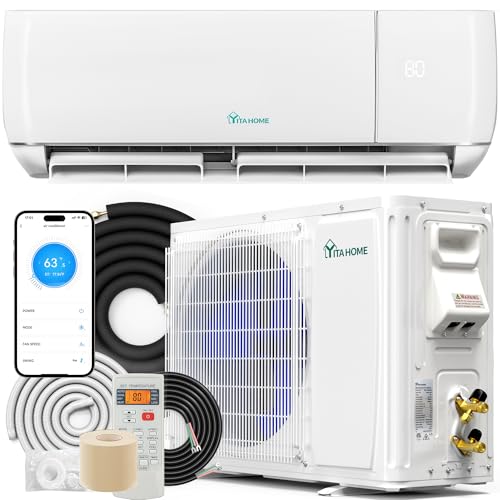
The YITAHOME 12000 BTU mini split is designed for up to 750 square feet, making it a common choice for basement levels. Its inverter-driven compressor delivers energy efficiency with an estimated 25% savings compared to conventional units. This model supports five operating modes: auto, cool, dry, heat, and fan, enabling year-round comfort in basements that experience temperature swings. It is WiFi-enabled and Alexa-compatible, allowing remote control via a smartphone or smart speaker. The system features automatic defrost, self-diagnosis/cleaning, and an iFEEL mode that uses the remote’s sensor for temperature compensation. Noise is kept under 41 dB, which is ideal for basement spaces used as living areas or bedrooms. The included installation kit helps simplify setup in basement walls or ceilings.
Important considerations for basements include humidity management and basement-specific air filtration. YITAHOME’s optional HEALTH mode with negative ions and PM2.5 removal can aid in air quality, while the sleep and timer features support overnight comfort. While energy savings are a priority, ensure proper placement of the indoor and outdoor units to maximize airflow in low-ceiling or windowless basements. The unit is ETL and AHRI certified, reinforcing reliability and efficiency claims.
Mountman 12000 BTU Mini Split For Basement

Mountman’s 12000 BTU system is engineered for efficiency and year-round comfort in basements up to 750 square feet. It offers four flexible modes—Cool, Heat, Dry, and Fan—plus multiple fan speeds, including a Sleep Mode designed for ultra-quiet operation at about 26 dB. An ECO mode can provide energy savings up to roughly 30%, and Turbo Boost accelerates cooling or heating when needed. A remote control makes it easy to adjust settings from a bed or couch, and the unit includes auto-maintain features like self-cleaning and automatic defrost to minimize maintenance.
Key basement considerations include humidity control, mold prevention, and quiet operation due to shared walls or living spaces above the basement. Mountman’s silent performance and self-cleaning cycle help address these concerns. The device is pre-charged and designed for straightforward installation, which is useful in basements with compact utility spaces. When installing in a basement, ensure adequate clearance for airflow around the indoor unit and an outdoor unit with proper drainage and stable mounting.
COSTWAY 12000BTU Mini Split System

The COSTWAY 12000 BTU mini split is designed to cool or heat spaces up to 750 square feet, with a 20 SEER2 rating and an inverter-driven compressor for energy efficiency. It provides five operating modes (auto, cool, dry, heat, fan) and four fan speeds, along with sleep, ECO, iFEEL, and turbo modes. The handheld remote simplifies daily use from a basement living area or bedroom. Quiet operation is emphasized, supported by a low-noise design and a display on the remote that auto-shuts off after inactivity to avoid disturbance at night.
For basements, energy efficiency and humidity management are critical. COSTWAY’s inverter technology helps reduce energy use during long cooling or heating cycles, which is common in basements. The iFEEL feature can improve comfort by adjusting based on actual room temperature, as sensed by the remote. When planning installation, consider the staircase layout, ceiling height, and potential heat loads from equipment or sump pumps that may affect temperature stability in the basement. AHRI certification and pre-charged lines further support reliable performance.
Senville LETO Series 12000 BTU Mini Split
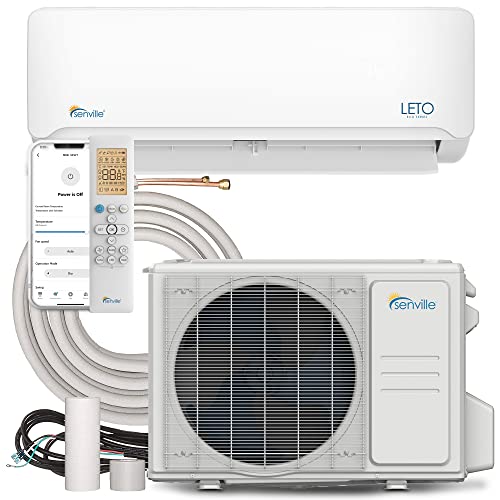
The Senville LETO 12000 BTU mini split offers a four-in-one solution: air conditioning, heat pump, dehumidifier, and fan, with a turbo function for quick climate adjustments. This unit uses a DC inverter that is UL Listed and AHRI Certified, ensuring compatibility with Alexa for voice control. It is well-suited for basement spaces used as living areas, offices, or small studios, providing balanced temperature control with a focus on quiet operation. The unit supports remote management via the Alexa ecosystem, enhancing convenience for basements that may be accessed intermittently.
Basement owners should consider humidity and moisture issues, especially in spaces with concrete walls. The Senville LETO series addresses this with a robust dehumidification function and dehumidifier mode. While installation kits are included, ensure proper routing of refrigerant lines and a stable balcony or foundation for the outdoor unit. The 750 sq ft coverage makes it a strong option for many basement layouts, though ceiling height and airflow around the indoor unit should be evaluated for optimal performance.
Nexaro 12000BTU Mini Split For Basement

The Nexaro 12000 BTU mini split focuses on energy efficiency with an intelligent inverter system. It supports cooling and heating for rooms up to 750 square feet, making it a practical option for basements that require reliable year-round climate control. Notable is the balance of cooling power and quiet operation, with features like sleep and mute modes to minimize disruption. The unit is AHRI certified and designed for quick response to temperature changes, delivering fast comfort for basement living spaces or workrooms.
When evaluating Nexaro for basement use, consider the distribution of vents and the potential need for dehumidification in humid climates. Inverter-driven systems typically perform better at partial loads, which is common in basements where outdoor temperatures differ from interior conditions. Pre-charged lines and a comprehensive installation kit simplify setup, particularly in retrofit basement spaces where walls may be plaster or concrete. Overall, Nexaro offers solid performance at a reasonable energy footprint for basements.
Buying Guide: Key Purchase Considerations For Basement Mini Splits
- Space and load assessment: Measure square footage, ceiling height, and insulation quality. Basements with blocks of living space can require units in the 9,000–12,000 BTU range; marginal basements may need slightly lower or higher capacities depending on climate and occupancy.
- Energy efficiency: Look for inverter-driven compressors and SEER2 ratings. Higher efficiency reduces long-term operating costs, which is beneficial for basements that run for extended periods during hot summers or cold winters.
- Air quality and humidity: Basements are prone to moisture buildup. Models with dehumidification modes or air-purifying features (HEPA-like or PM2.5 filtration) can improve indoor air quality and comfort.
- Noise levels: Quiet operation is important in basements used as bedrooms or living areas. Check indoor unit sound ratings (dB) and consider models with sleep modes or ultra-quiet settings.
- Smart features and control: WiFi connectivity and voice control (Alexa) can simplify operation when a basement space is used intermittently. A stable app experience helps set schedules, temperatures, and energy-saving modes.
- Installation considerations: Pre-charged lines and complete installation kits simplify retrofits. Ensure clear space around the indoor unit and proper outdoor clearance for ventilation. Consider professional installation for electrical and refrigerant tasks, especially in basements with limited access or unique structural setups.
- Maintenance needs: Self-cleaning and auto-defrost features reduce maintenance. Routine filter checks and periodic cleaning extend efficiency and comfort in basement environments.
- Cost of ownership: While all five options emphasize efficiency, annual energy use varies with usage patterns. Compare long-term operating costs, not just upfront price, and verify warranty terms and service networks in your area.
Sources of basement-focused performance include coverage range, inverter-driven efficiency, and integrated features for humidity, quiet operation, and ease of use. Each model discussed provides solid options for cooling and heating basement spaces, with varying emphasis on smart controls, air quality, and maintenance. When choosing, align the unit’s capabilities with your basement’s layout, usage patterns, and climate considerations to maximize comfort and energy savings throughout the year.