Planning a comfortable ride and stays off-grid means selecting a reliable air conditioning setup suited for RV life. This guide highlights five notable options and accessories that help keep your vehicle cool, from rooftop AC units to efficiency upgrades. Each selection is evaluated on cooling power, installation practicality, energy use, and durability to support informed decisions for American travelers seeking dependable RV comfort.
Product Summary
| Product | Brand | Key Feature | Relevance |
|---|---|---|---|
| RV Air Conditioner, 12V 10000 BTU Rooftop | outequip | 10,000 BTU with 4,500 BTU heater, UV-stabilized build | Main cooling unit for mid-sized RVs |
| Nu-Calgon 417175 Evap Foam | Nu-Calgon | Self-rinsing foam; corrosion inhibitors | Maintenance to sustain performance |
| Furrion Chill Cube 18k BTU RV Rooftop AC | Furrion | Variable speed, high efficiency, turbo mode | High-capacity, off-grid confidence |
| Icon Aftermarket A/C Shroud | ICON | Impact resistant, UV protected | Long-term protection for existing units |
| Yaheeda New Version Converter 600W | Yaheeda | 110V AC to 12V DC; multiple protections | Powering accessories in RVs |
RV Air Conditioner 12V 10000 BTU Rooftop Unit

This 12V rooftop AC unit delivers 10,000 BTU of cooling, suitable for many mid-size RVs, trucks, and campers. It promises rapid comfort, cooling in about 15 minutes, and includes a 4,500 BTU PTC heater for mild-warm conditions. The assembly uses UV-stabilized ABS materials, an EPDM foam gasket, and a zinc-coated condenser to resist weather and road dust. Given its dual-cooling/heating capability and rugged construction, it’s a practical option for travelers seeking dependable cooling in varied climates. It is essential to verify electrical compatibility and weight with your RV’s roof specifications before installation.
Key notes: The heater is not intended as a primary heat source in extreme cold and should be used for supplementary warmth. The unit’s low-profile design aims to minimize roof wind resistance and fit a range of RV roof openings. For best results, ensure proper enclosure sealing and electrical supply alignment with your system’s power circuit and battery setup.
Nu-Calgon Evap Foam

Nu-Calgon Evap Foam is designed to liquefy dirt, grease, and residues inside cooling systems, helping maintain efficient heat exchange. Fortified with corrosion inhibitors, it is safe for use on metals and other materials common in RV AC systems. The fast-breaking foam rinses away easily, leaving reduced buildup and smoother operation. Regular use can contribute to longer unit life and steadier airflow, particularly in dusty or coastal environments where deposits accumulate quickly.
Considerations: While beneficial for maintenance, Evap Foam should be used as part of a routine service schedule, not as the sole cleaning method. Follow safety and application guidelines to avoid unintended contact with electronics or seals within the HVAC system and ensure proper ventilation during use.
Furrion Chill Cube 18k BTU RV Rooftop AC

The Furrion Chill Cube is a 18,000 BTU rooftop AC designed for RVs, with ducted distribution and a white, lightweight housing. It uses R32 refrigerant and features a variable-speed compressor for efficient cooling and adaptable power use. The installation is described as bolt-on with an installation guide; note that this listing is for the AC unit only, with other components (like the ducting and control module) available separately. Enhanced cooling and quieter operation can extend battery runtime on off-grid trips, particularly in larger RVs or campers.
Important considerations: Verify compatibility with your RV’s roof dimensions, mounting points, and electrical supply. The unit’s demand on 12V battery and generator output should be matched with your off-grid power plan, especially if you intend to run other appliances concurrently.
Icon Aftermarket A/C Shroud
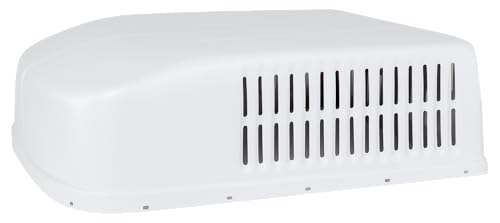
The ICON aftermarket A/C shroud is designed to protect and extend the life of RV air conditioning units. It highlights impact resistance with durable materials and UV protection that shields components from sun exposure. The shroud’s DIY-friendly design claims installation in about five minutes, making it a practical upgrade for replacing damaged or brittle exterior covers. For RV owners with aging or vulnerable roof units, this shroud provides a cost-effective way to defend against weather and debris while maintaining airflow efficiency.
Pros and considerations: While it does not affect cooling performance directly, a robust shroud reduces the risk of heat-related damage and can improve aesthetic longevity. Ensure compatibility with your specific A/C model and confirm mounting requirements before purchase.
Yaheeda 110V AC to 12V DC Converter

Yaheeda’s 110V AC to 12V DC converter supports 12V devices in RV setups, offering adjustable voltage and current with built-in safety features like overload protection and thermal cut-off. It includes EMI filtering and several protections to help maintain stable power for devices such as pumps, LED lighting, and auxiliary fans. With a high peak capability (up to 50A), it can support multiple devices, provided the total draw stays within the rating. This converter can complement AC systems by ensuring consistent 12V supply for off-grid or generator-based operation.
Key considerations: Carefully match output specs to the RV devices you plan to power. Ensure proper ventilation and heat dissipation for the converter itself, especially when operating near capacity, and follow manufacturer guidelines for wiring and safety.
Buying Guide: Key Purchase Considerations For RV Air Conditioning
- Cooling capacity vs. RV size: Match BTU rating to your RV’s cubic footage and occupancy. Higher BTU units can cool larger spaces quickly but may consume more power.
- Power source and consumption: Off-grid travel relies on generators and batteries. Consider units with energy-efficient compressors, dual power modes, or compatibility with solar setups.
- Installation requirements: Roof-mounted units require space, roof cutouts, and wiring. Verify roof thickness, opening dimensions, and mounting hardware compatibility with your RV model.
- Climate and usage patterns: If you frequently encounter extreme heat or long trips, prioritize units with robust cooling, quiet operation, and durable exterior components.
- Maintenance and longevity: Use compatible maintenance products (like evaporative foam cleaners) and protective accessories (such as shrouds) to prolong life in harsh environments.
- Accessories and integration: Consider soft starters for power management, shrouds for protection, and converters to stabilize power for 12V devices when extending trips off-grid.
- Installation complexity and serviceability: Some units are “AC unit only” and require separate installation of condensers, ducts, and control panels. Evaluate what is included in the package and what must be sourced separately.
- Warranty and support: Look for warranty coverage on cooling components, compressors, and electrical parts, plus access to service centers if needed on the road.
Overall, choosing the right new AC setup for an RV involves balancing cooling needs, power availability, roof compatibility, and maintenance considerations. By examining the units and accessories above, travelers can align options with their typical routes, climates, and electrical infrastructure to maintain comfort on the road.